Clock tower (Sahat kula), Podgorica
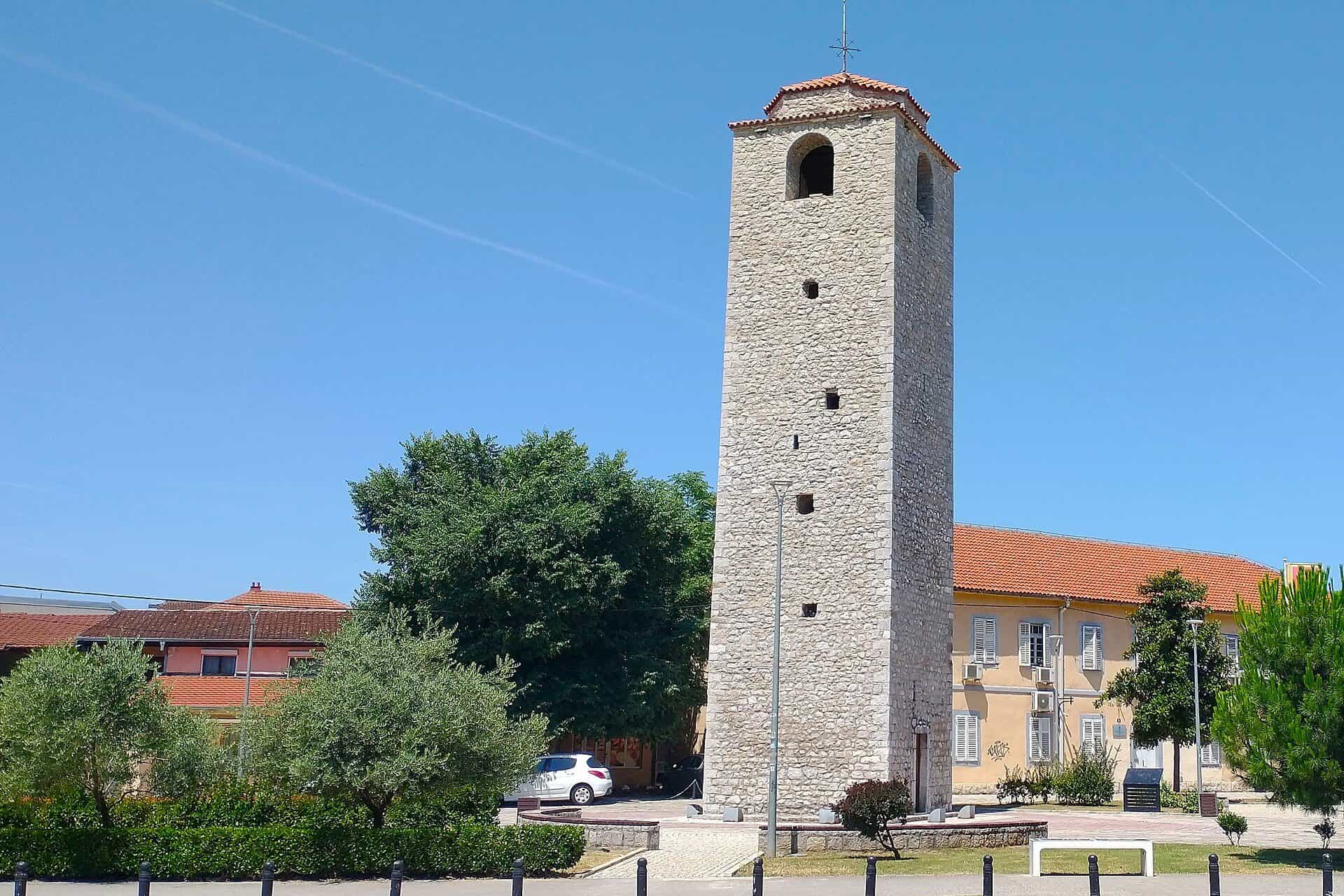
The 18th-century Ottoman clock tower of Hadži Mehmed-paša Osmanagić, the symbol of Stara Varoš and one of the few Ottoman buildings to survive the Second World War
Ottoman clock tower · 18th century · Bećir-beg Osmanagić Square
The clock tower (Sahat kula) is the symbol of Stara Varoš, the Ottoman-era quarter of Podgorica on the left bank of the Ribnica. It stands on Bećir-beg Osmanagić Square and was built in the 18th century by Hadži Mehmed-paša Osmanagić, in the period when Podgorica was an Ottoman town (1474-1879). It is one of the few Ottoman buildings in the city to have survived the Second World War, and it is listed among the city's immovable cultural properties.

Getting there
Stara Varoš lies just south-east of the city centre, across the little Ribnica from the main boulevards. From Independence Square (Trg nezavisnosti) the tower is about 0.8 km, a 10-minute walk; Podgorica Airport is 10.9 km and about 16 minutes away by car, and Cetinje 35.7 km and about 44 minutes. The main street through Stara Varoš is cobbled (kaldrma).
What to see
- The tower, with the clock near the top, on the small square named after Bećir-beg Osmanagić.
- The Osmanagić mosque in the quarter, dated to the 16th century in the register of Podgorica's cultural properties, and the Čubranović house near the tower, probably the oldest surviving house in the city.
- The kaldrma, the cobbled street through the quarter, where the feel of Ottoman Podgorica survives best; the quarter's cafés and restaurants serve traditional dishes.
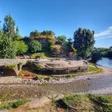
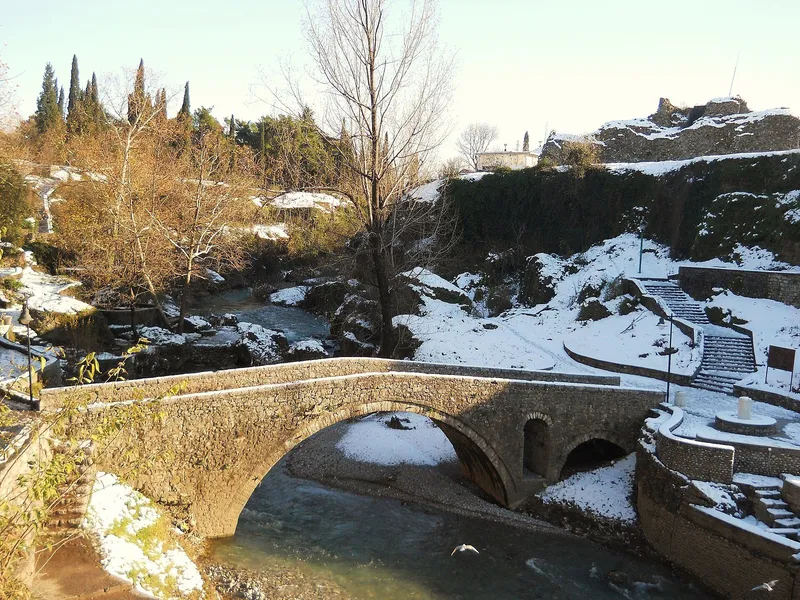
- Sastavci, where the Ribnica meets the Morača by the old stone bridge, close to the quarter.

History
The Ottomans took Podgorica in 1474 and held it until 1879, and Stara Varoš was the core of the town in those four centuries, Oriental in its streets, customs and way of life. Hadži Mehmed-paša Osmanagić built the clock tower in the 18th century. It is one of the few Ottoman buildings in Podgorica that came through the Second World War.

Nearby
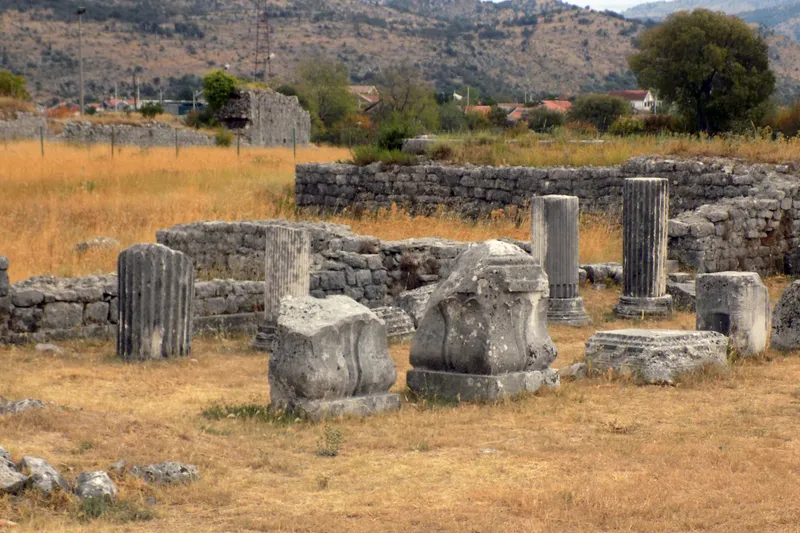
- City Museum of Podgorica, for the city's history from Doclea to Titograd.
- Monument to the Partisan Fighter on Gorica hill, 1.8 km (about 22 minutes) on foot to the north.
- Tito monument on Bulevar Svetog Petra Cetinjskog.
- Duklja, the Roman town north of the centre.
- The Morača and its riverside walks.
Questions
When was the clock tower built?
In the 18th century, by Hadži Mehmed-paša Osmanagić.
What else is there to see?
The Osmanagić mosque, the Čubranović house and the cobbled street of Stara Varoš, and the Sastavci by the stone bridge.
How far is it from the centre?
About 0.8 km from Independence Square, a 10-minute walk across the Ribnica.
History
1474-1879
Ottoman Podgorica
Stara Varoš was the core of the town under Ottoman rule, which lasted from 1474 to 1879.
18th century
Tower built
Built by Hadži Mehmed-paša Osmanagić on the square that now carries the Osmanagić name.
1941-1945
Survived the war
The tower is one of the few Ottoman buildings in Podgorica that survived the Second World War, in which the city was heavily bombed.
Sources
Podgorica Tourist Organisation, Stara Varoš i Sahat kula · Podgorica Tourist Organisation, cultural monuments (Old Town 1474-1879, Čubranović house near the clock tower, Sastavci and the stone bridge) · National Tourism Organisation of Montenegro, Podgorica (clock tower one of the few Ottoman buildings that survived WWII) · Portal Analitika, 9 May 2017, Nepokretna baština Crne Gore: Podgorica (press summary of the register: tower 18th c., Osmanagić mosque 16th c.) · OSRM routing (car and foot, OpenStreetMap data, ODbL; times without traffic)