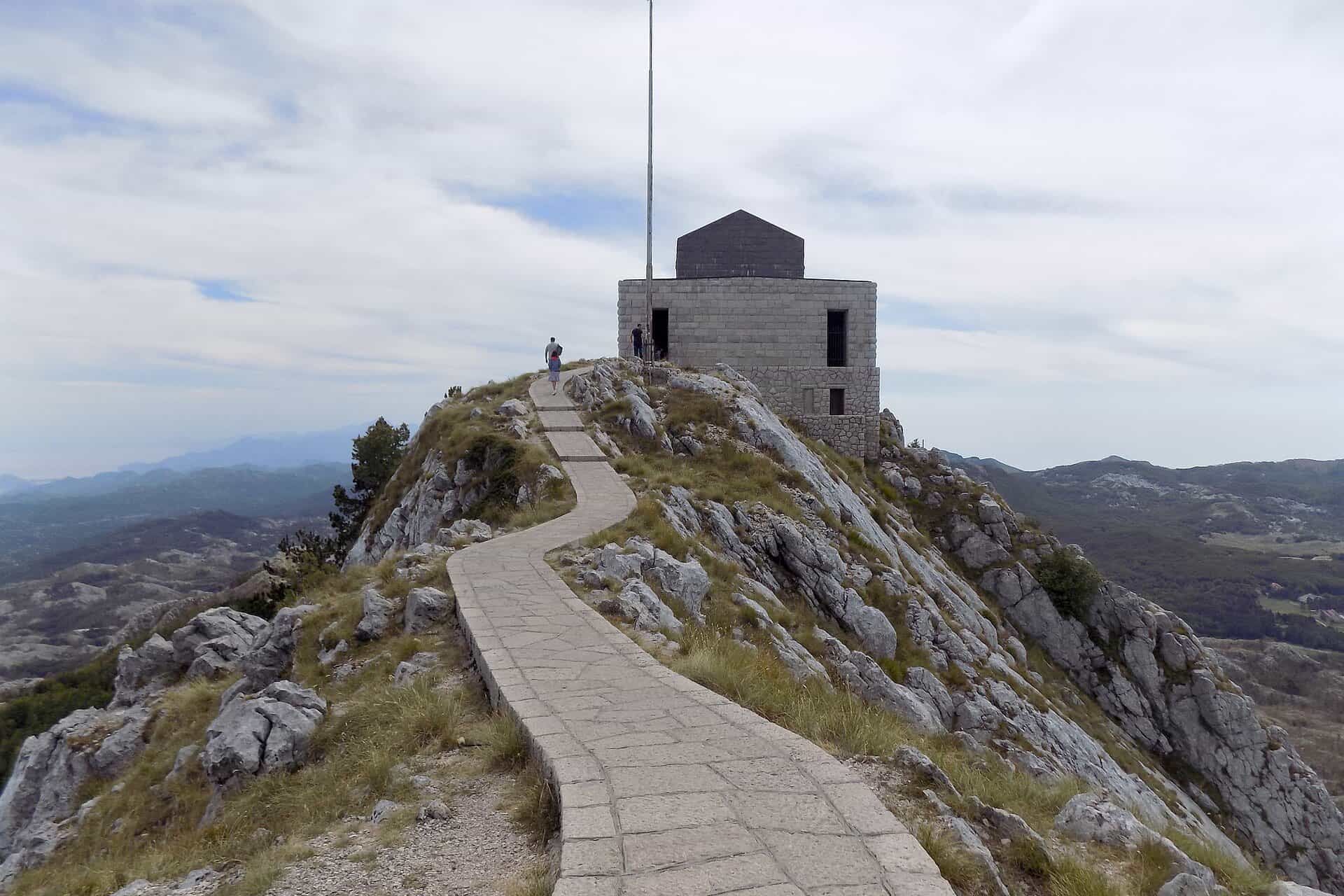
Memorials in Montenegro
27 places · Coastal Region 5 · Central Region 17 · Northern Region 4
Photo: Milica Buha · CC BY-SA 4.0

Most towns in Montenegro have a monument to the fighters of the Second World War, and three are large enough to visit on their own: the tomb on Gorica hill in Podgorica (1957), the Stražica memorial above Pljevlja (1961) and the Grahovo memorial park near Nikšić (1978). All are open-air and free. Below: what each one marks, the smaller town monuments, and the dates when they are busiest.


26 results
Nothing matches these filters.
All memorials
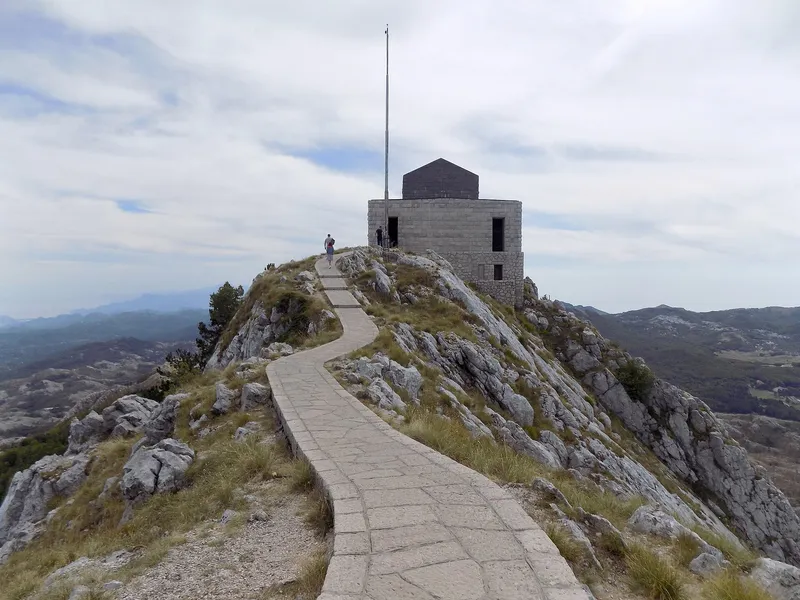
Njegoš Mausoleum
Cetinje · Mausoleum
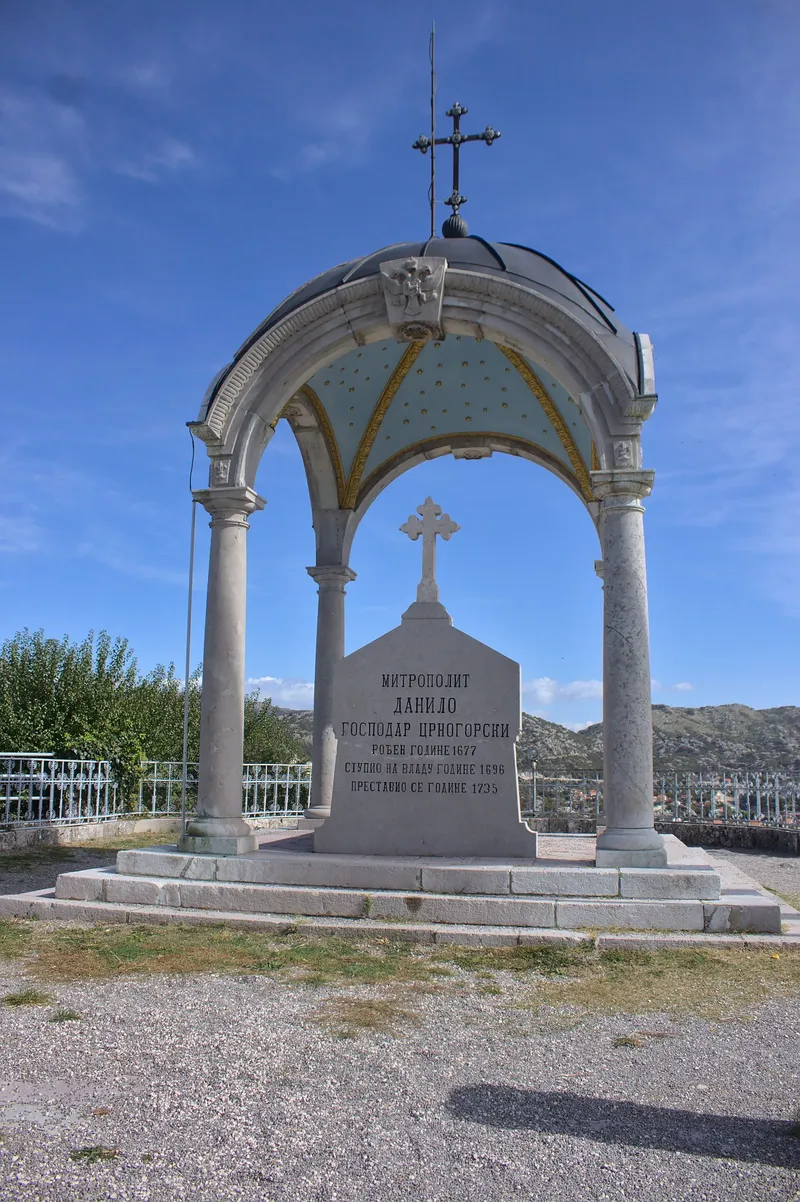
Mausoleum of Bishop Danilo
Cetinje · Open-air tomb
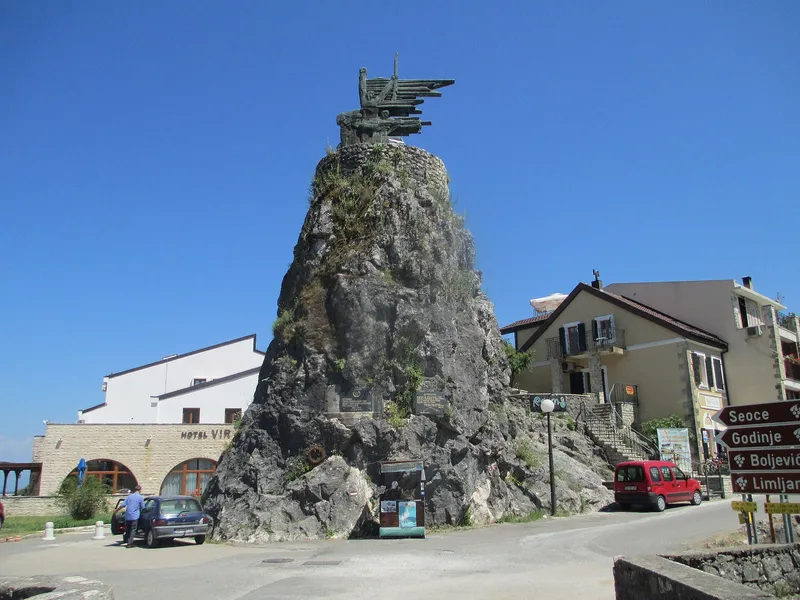
13 July memorial, Virpazar
Bar · Commemorative plaque and bronze sculpture
20th century
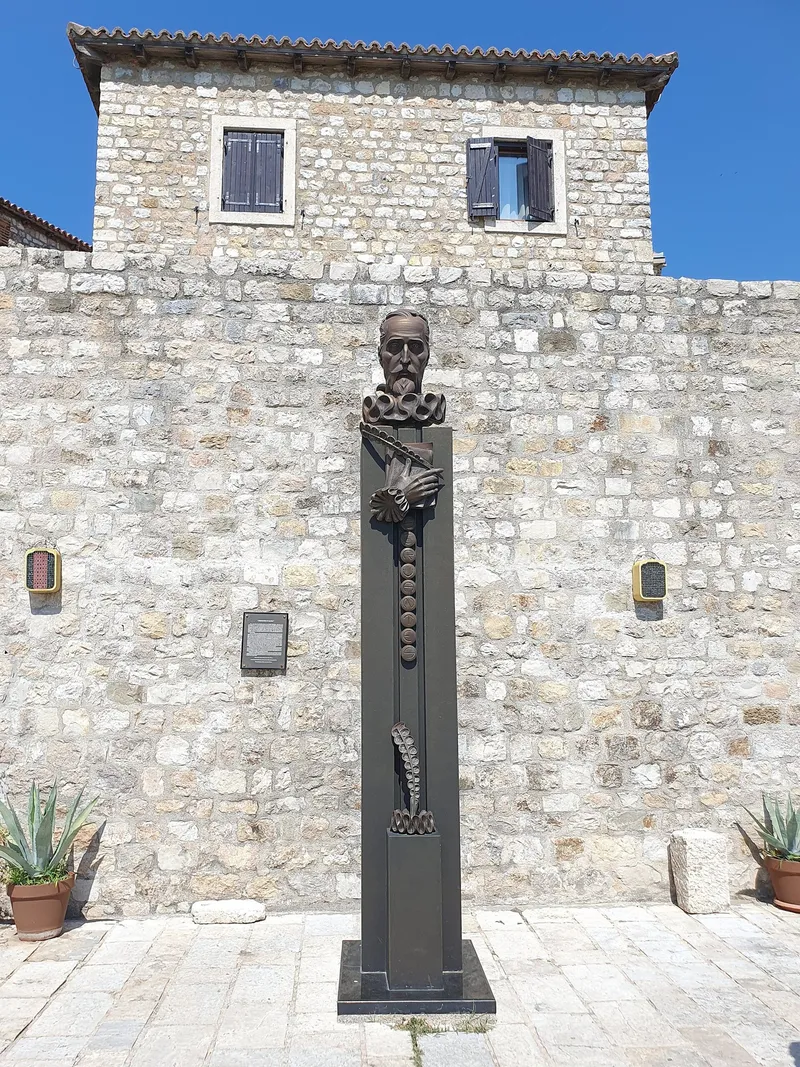
Cervantes monument, Ulcinj
Ulcinj · Bronze bust on a pillar
Commissioned under the 2018 programme
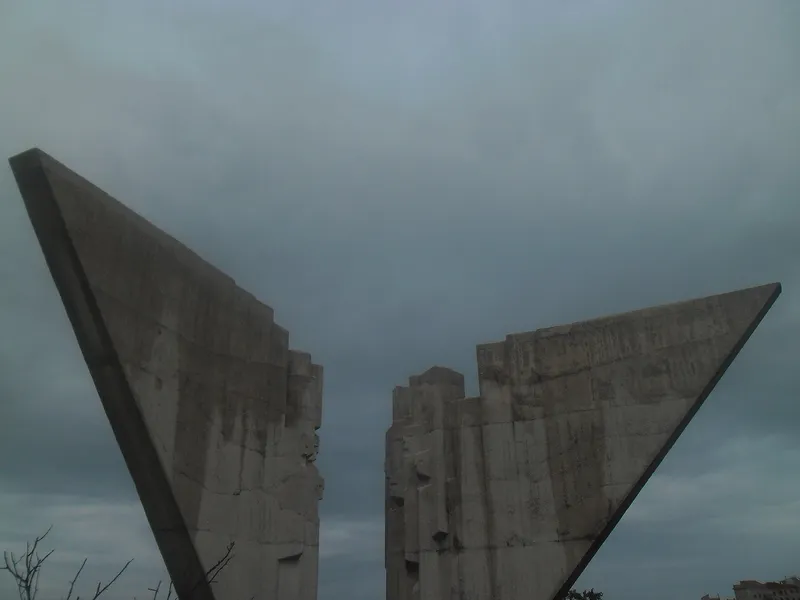
Freedom Monument, Ulcinj
Ulcinj · Concrete memorial of four wing-like shapes
Knjaževac memorial park, Andrijevica
Andrijevica · Memorial park with church
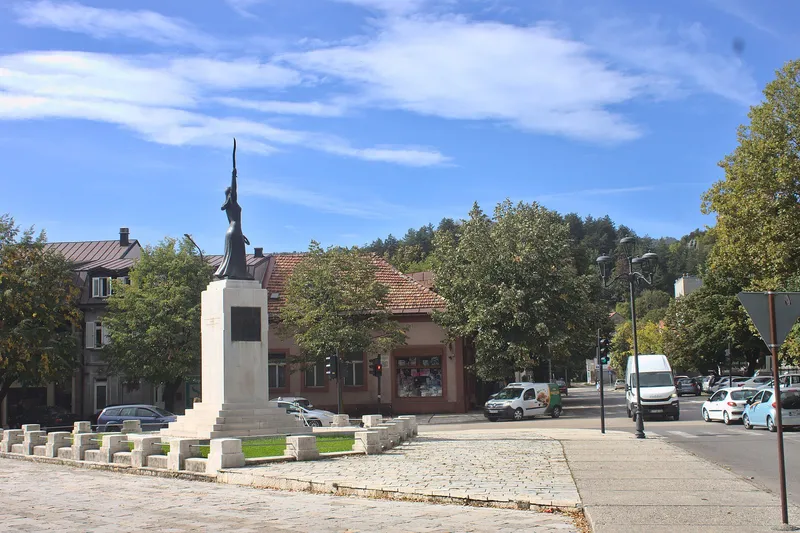
Lovćenska vila (Monument to the volunteers drowned off Medova)
Cetinje · Memorial
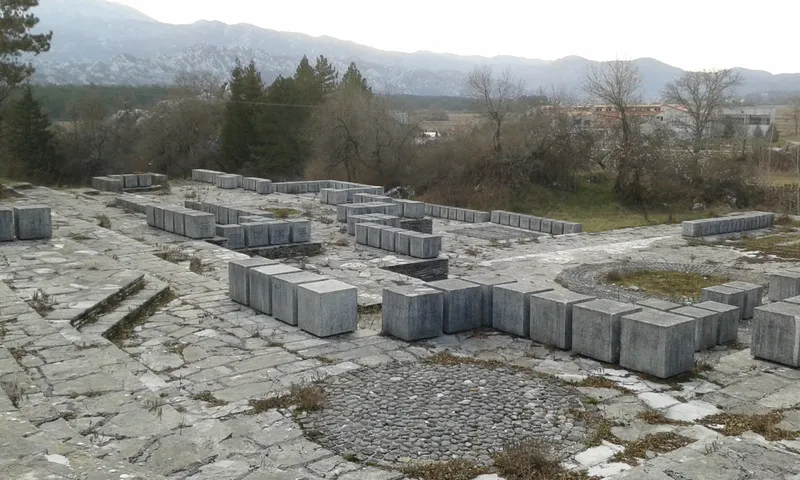
Memorial park to the Uprising and Revolution, Grahovo
Nikšić · Memorial park with a bronze statue
Memorial to the fallen on Trebjesa, Nikšić
Nikšić · Memorial complex
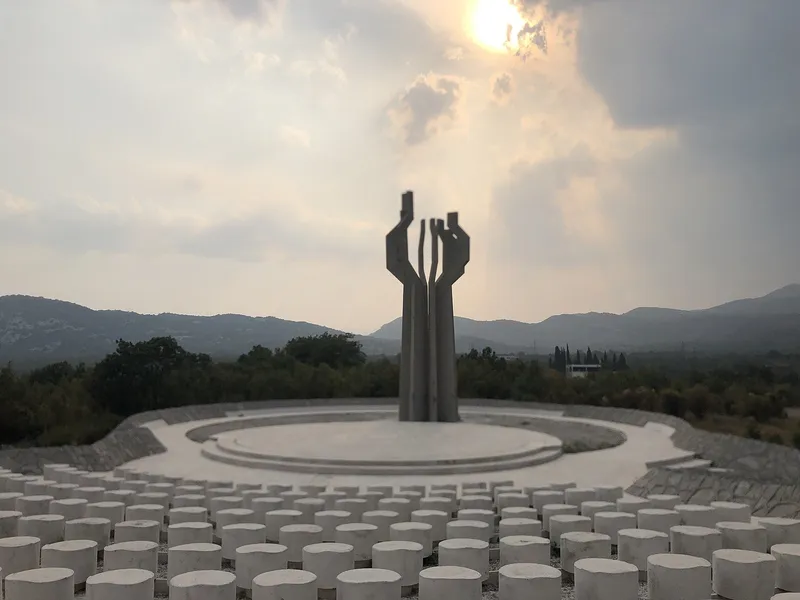
Monument at Barutana
Podgorica · Memorial complex
Monument on Obadov brijeg
Danilovgrad · Concrete sculpture
Completed and inaugurated November 1974
Monument to fallen fighters, Danilovgrad
Danilovgrad · Obelisk with bronze figures and crypt
Unveiled December 1959
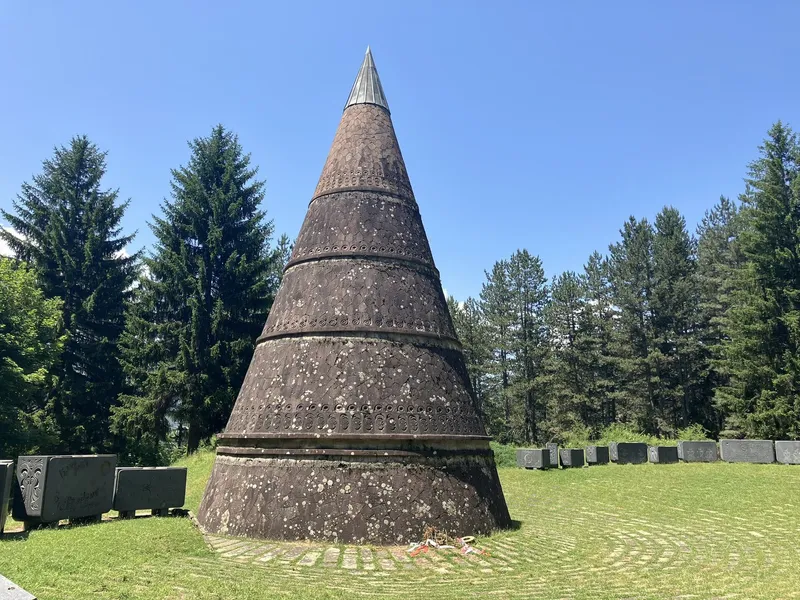
Monument to Freedom, Jasikovac
Berane · Memorial complex
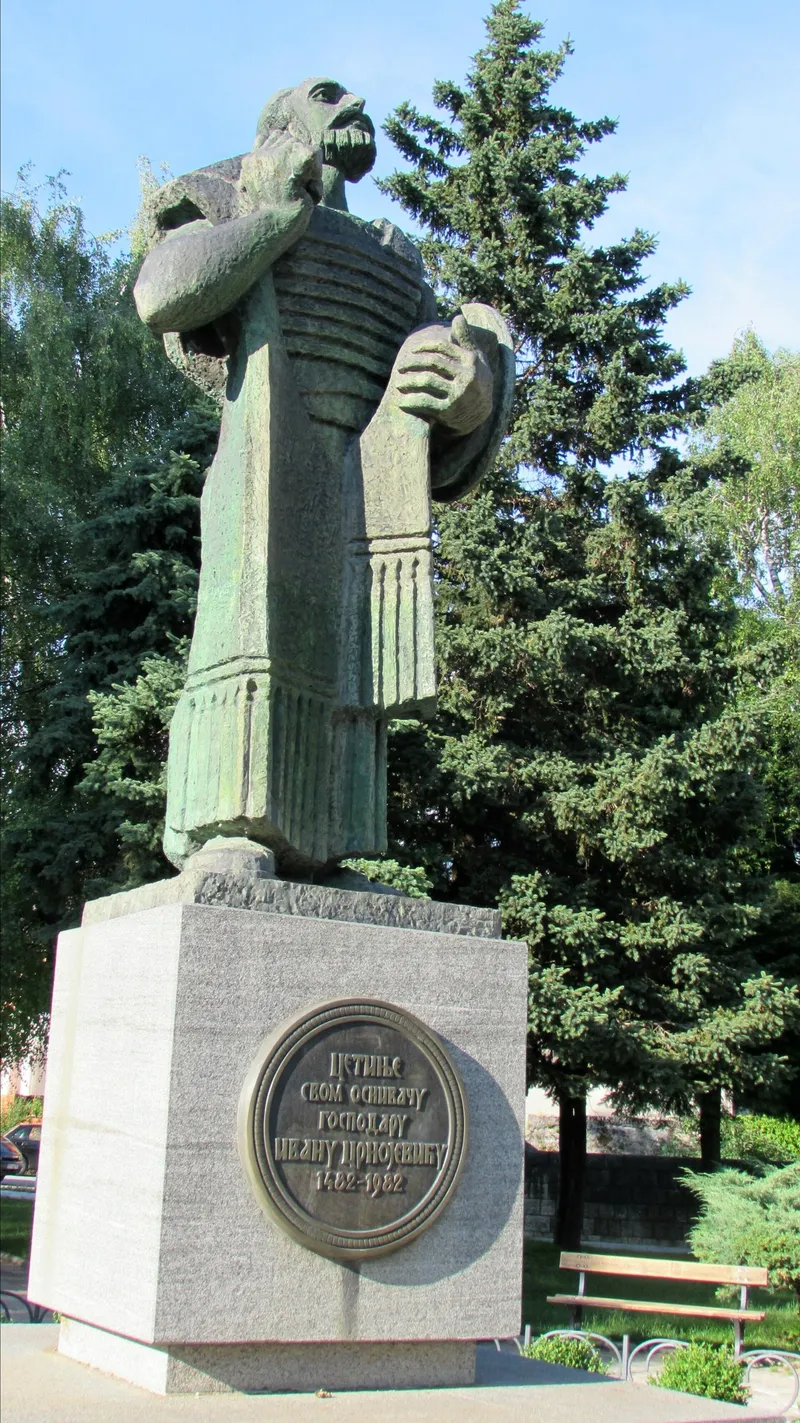
Monument to Ivan Crnojević
Cetinje · Bronze statue on a stone plinth
Made 1982, unveiled 13 July 1983
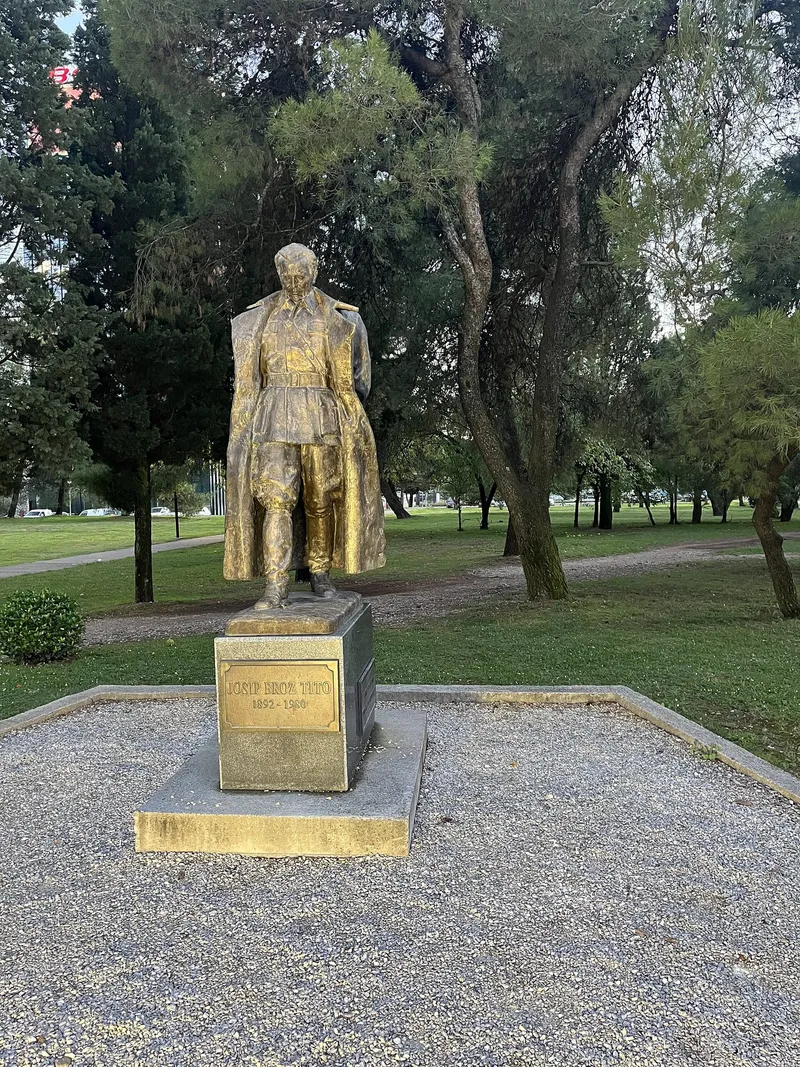
Monument to Josip Broz Tito
Podgorica · Statue
Unveiled 19 December 2018
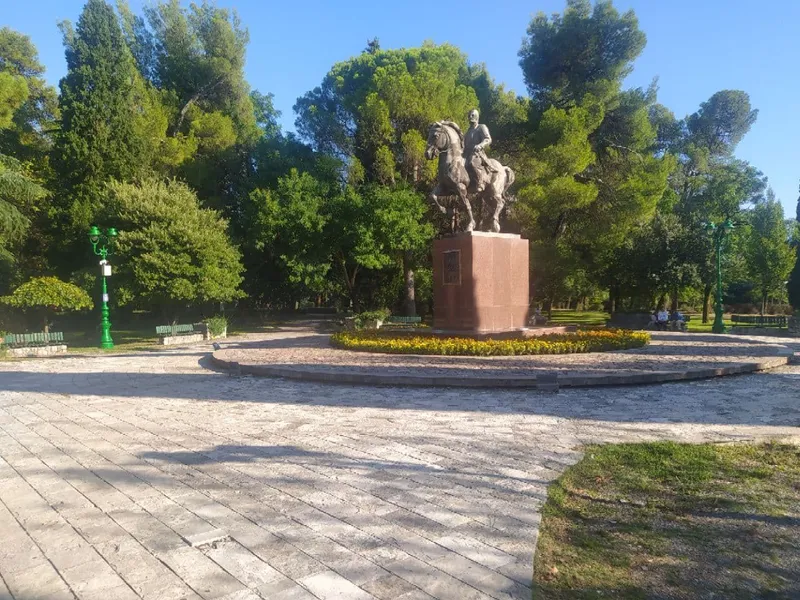
Monument to King Nikola
Podgorica · Monument
Unveiled 2005
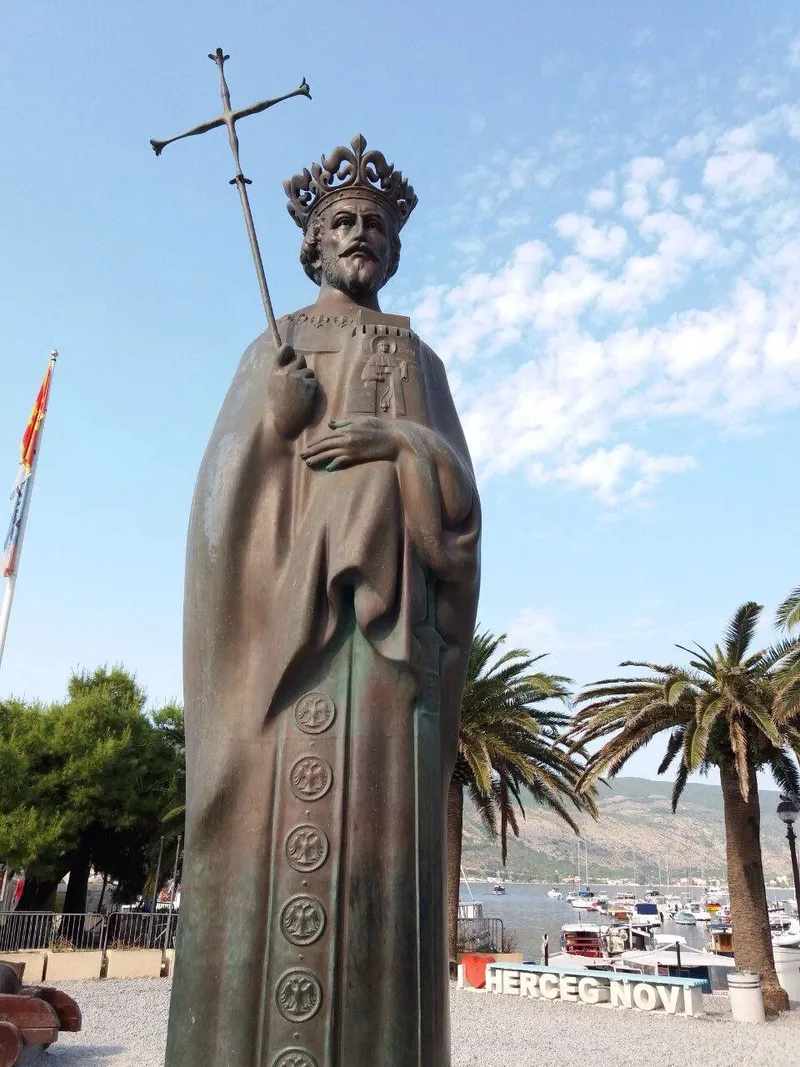
Monument to King Tvrtko I
Herceg Novi · Bronze statue
Monument to Petar I Petrović Njegoš
Podgorica · Bronze monument
Monument to Princess Ksenija
Cetinje · Bronze sculpture
Presented 13 November 2022
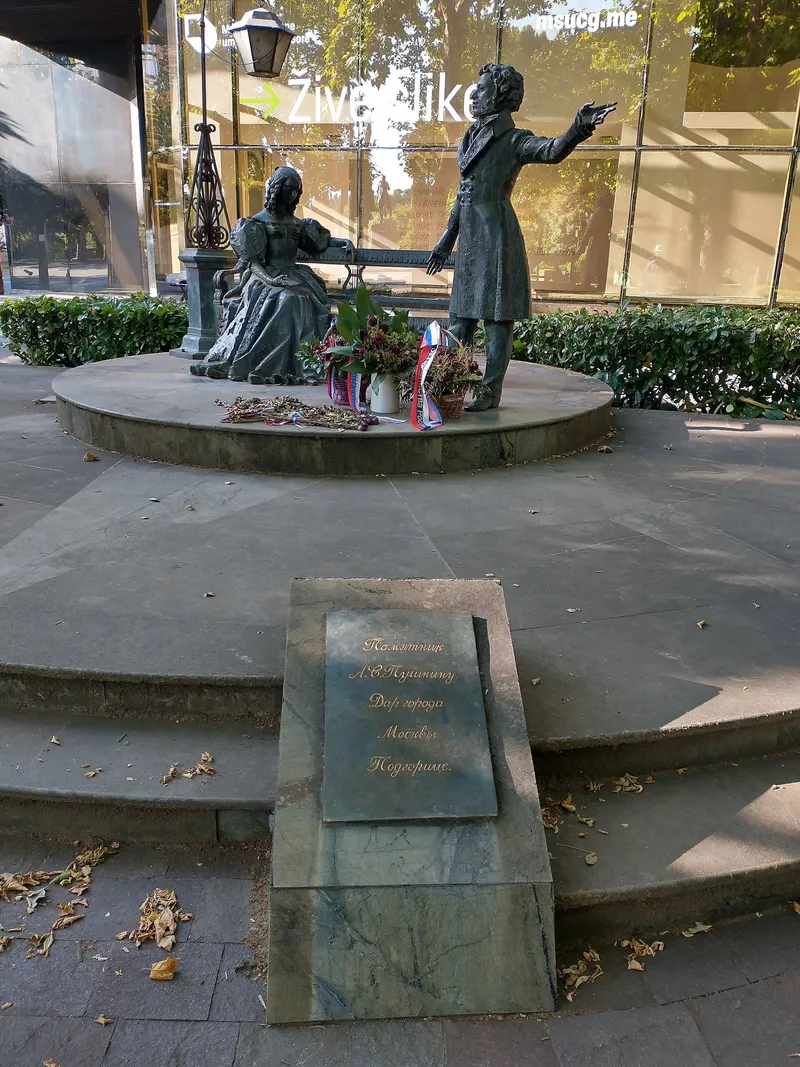
Monument to Pushkin and Natalia Goncharova
Podgorica · Bronze monument
Installed 2002
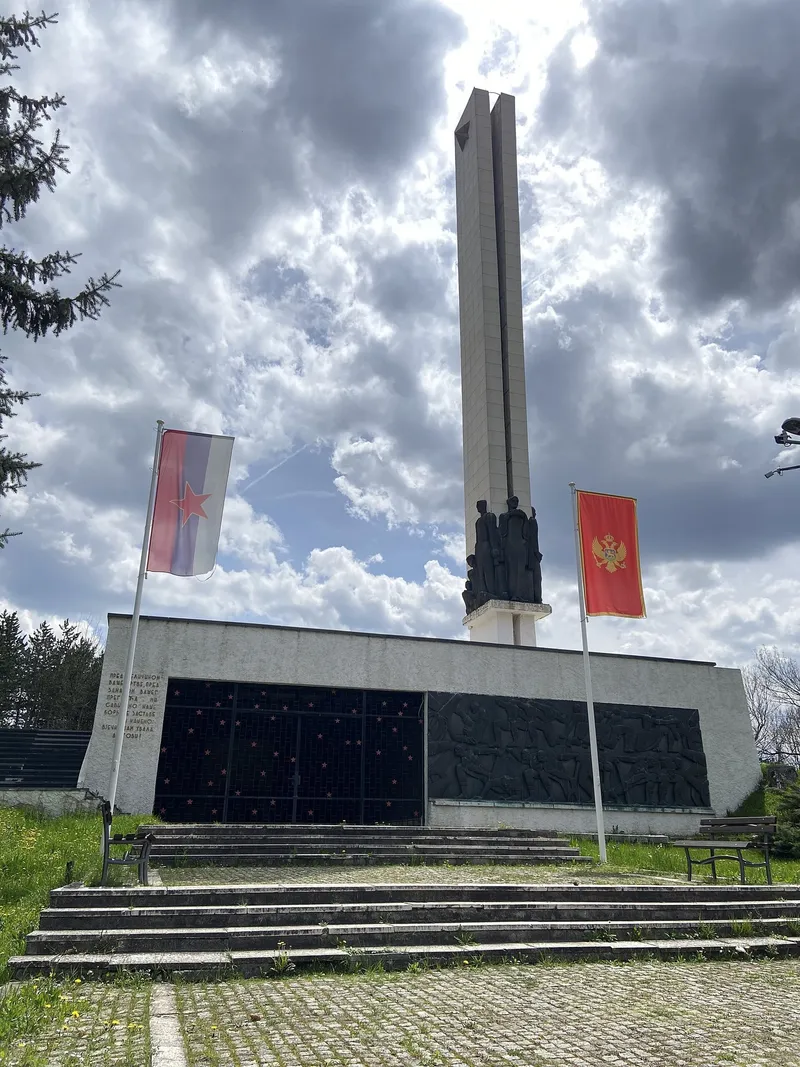
Monument to the fallen fighters on Stražica
Pljevlja · Memorial
Erected 1961
Monument to the fighters of 1919-1945, Rijeka Crnojevića
Cetinje · Memorial
Unveiled 1971
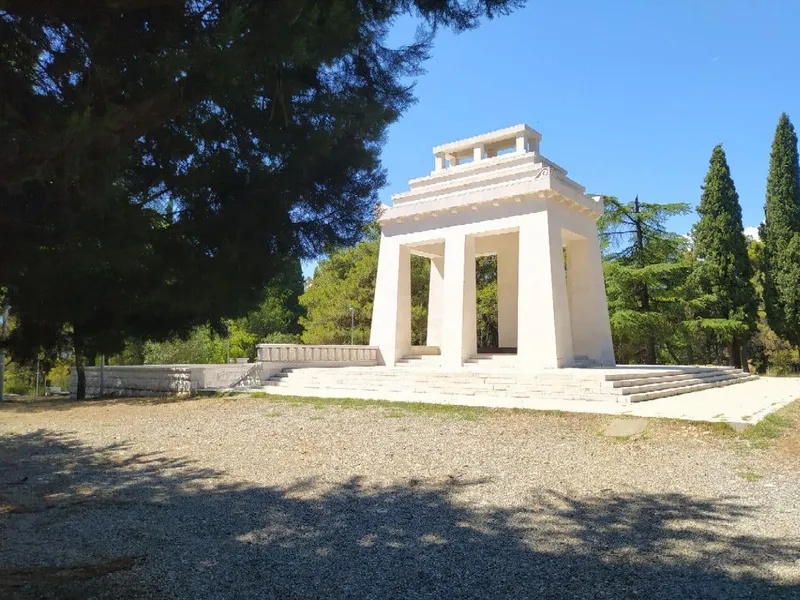
Monument to the Partisan Fighter, Gorica
Podgorica · Mausoleum and memorial
Unveiled 13 July 1957
Monument to the victims of fascism, Kolašin
Kolašin · Monument by Vojin Bakić
1949
Monument to Vladimir Vysotsky
Podgorica · Statue
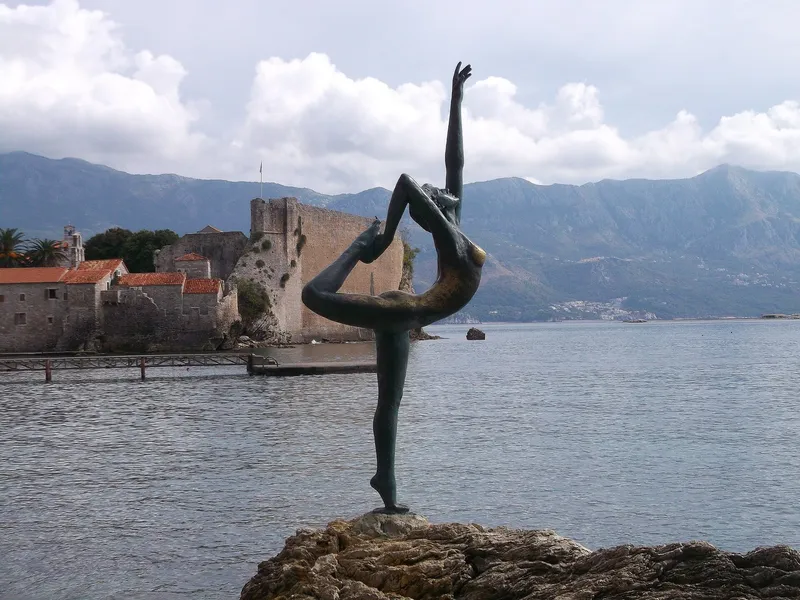
The Dancer (Balerina), Budva
Budva · Bronze statue of a dancer
Also listed
Smaller places and parts of larger ones, each with a short entry
The three to visit on their own
- Gorica, Podgorica. The tomb on Gorica hill, beside the centre of Podgorica, was unveiled on 13 July 1957 by architect Vojislav Đokić and sculptor Drago Đurović. It holds the remains of 66 people's heroes of Montenegro and two revolutionaries killed between 1941 and 1945 and has the status of a cultural property. The hill itself is a viewpoint over the Morača.
- Stražica, Pljevlja. A 27 m obelisk of 1961 over a crypt with the remains of 412 people, above Pljevlja. It commemorates the Battle of Pljevlja of 1 December 1941, in which 238 Partisans died.
- Grahovo. In the village near Nikšić where the first shots of the 1941 uprising were fired stands Miodrag Živković's bronze of Sava Kovačević, about 7 m tall, unveiled on 13 July 1978.
Monuments in the towns
Most towns have a monument to their fallen fighters, usually on the main square or a hill above it; each has a short page with its position: Kolašin, Žabljak, Bijelo Polje, Danilovgrad, Berane, Ulcinj, Virpazar, Andrijevica, Nikšić (Trebjesa) and Barutana in Podgorica. Statues of rulers and writers stand in Podgorica (King Nikola, Petar I, Tito, Pushkin), Cetinje (Ivan Crnojević) and Herceg Novi (King Tvrtko).
Visiting and dates
All memorials are open-air, free and reachable at any hour; there are no tickets or gates. 13 July is Statehood Day and the date of the 1941 uprising, and Gorica and Grahovo were both unveiled on it, so expect wreath-laying that day. Podgorica marks its liberation on 19 December (1944). Fortresses, churches and other built heritage are on the monuments page.
Common questions
Who is buried on Gorica?
66 people's heroes of Montenegro and two revolutionaries killed between 1941 and 1945. The monument has the status of a cultural property.
Do the memorials charge admission?
No. Every memorial on this page is open ground without a gate, ticket or opening hours.
When are ceremonies held?
On 13 July, Statehood Day and the anniversary of the 1941 uprising, when Gorica and Grahovo were unveiled, and in Podgorica on 19 December, the day of the city's liberation in 1944.