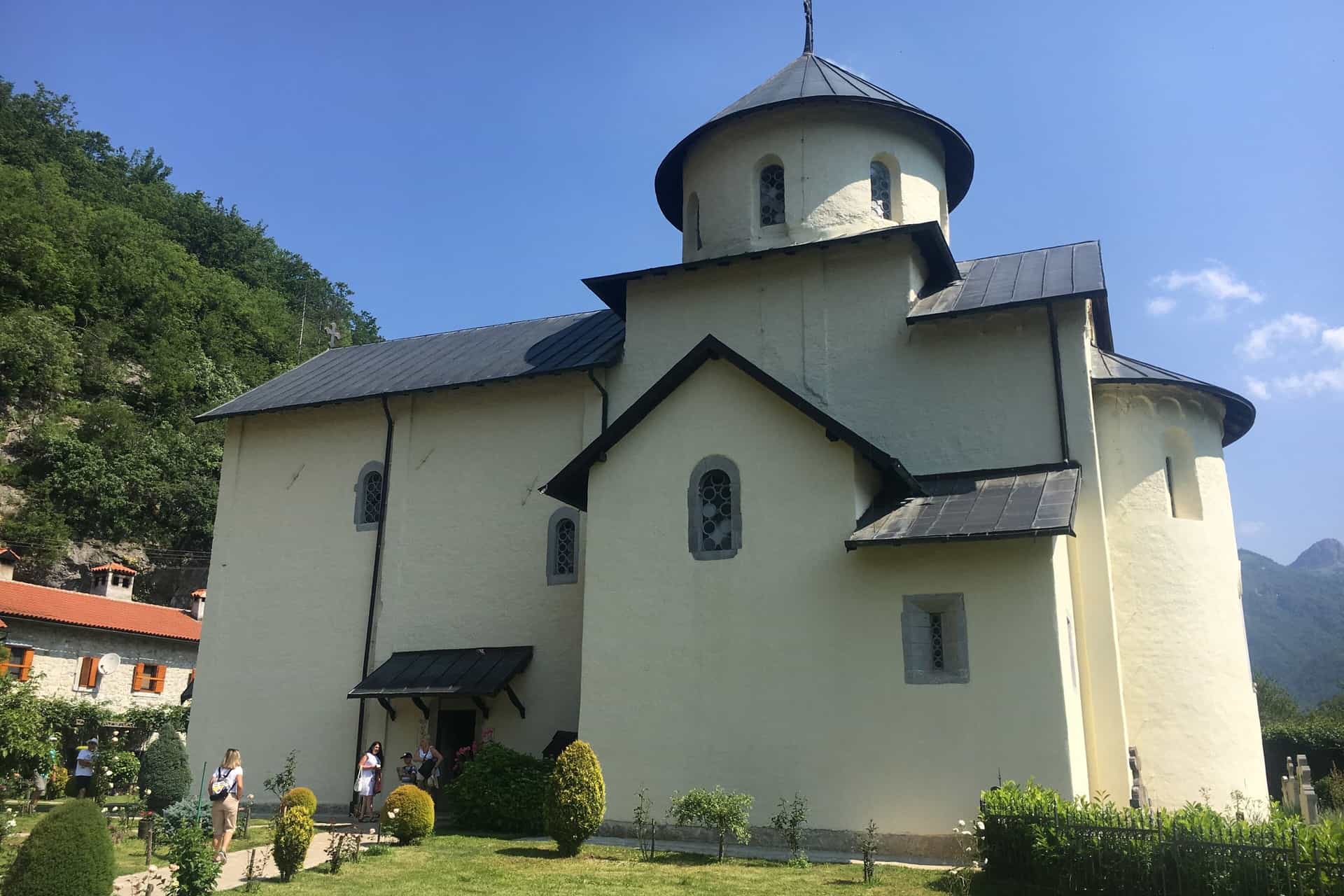
Monuments and landmarks of Montenegro
55 places · Coastal Region 22 · Central Region 24 · Northern Region 8
Montenegro's built heritage spans Illyrian walls, a Roman town, medieval churches, Venetian and Ottoman fortresses, the monasteries and mausoleums of the Petrović dynasty and the memorials of the Yugoslav years. Four UNESCO inscriptions cover parts of it: the Natural and Culturo-Historical Region of Kotor (1979), the Kotor fortifications within the Venetian Works of Defence (2017), three stećci graveyards in Žabljak and Plužine (2016) and, as intangible heritage, the Boka Navy of Kotor (2021). The five most visited sites are Ostrog Monastery, Our Lady of the Rocks, the Kotor walls and St John's Fortress, the Njegoš Mausoleum on Lovćen and Stari Bar.
The fortresses and walls charge a ticket: the Kotor walls €15 (residents of Montenegro free), Stari Bar €3, Kanli kula and Forte Mare in Herceg Novi €4, the Budva walls €2 and the Citadel €5. The Njegoš Mausoleum is open from 11 April to 15 November, 09:00-16:00, €8 plus the €3 Lovćen park ticket. Ostrog and the other monasteries are free and keep no set hours; the Roman, stećci and memorial sites are open ground.


54 results
Nothing matches these filters.
Featured


All monuments
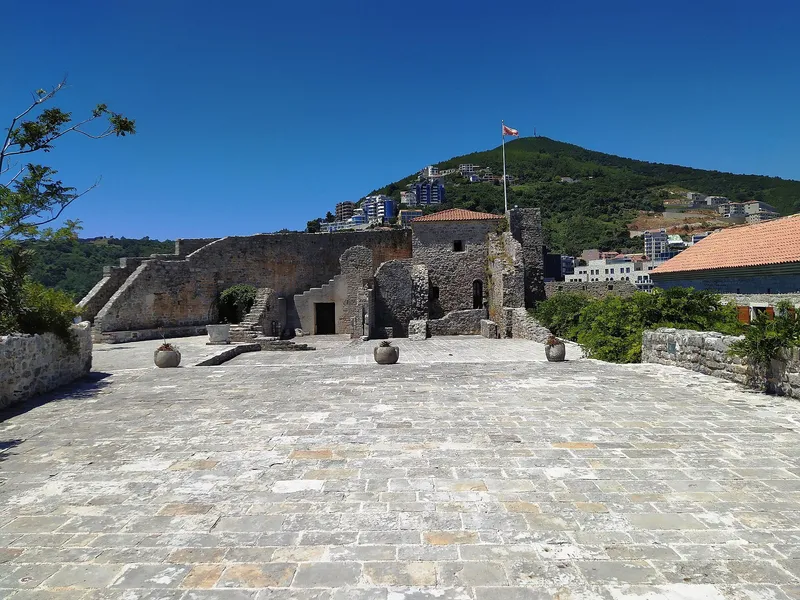
Budva Citadel
Budva · Town fortress
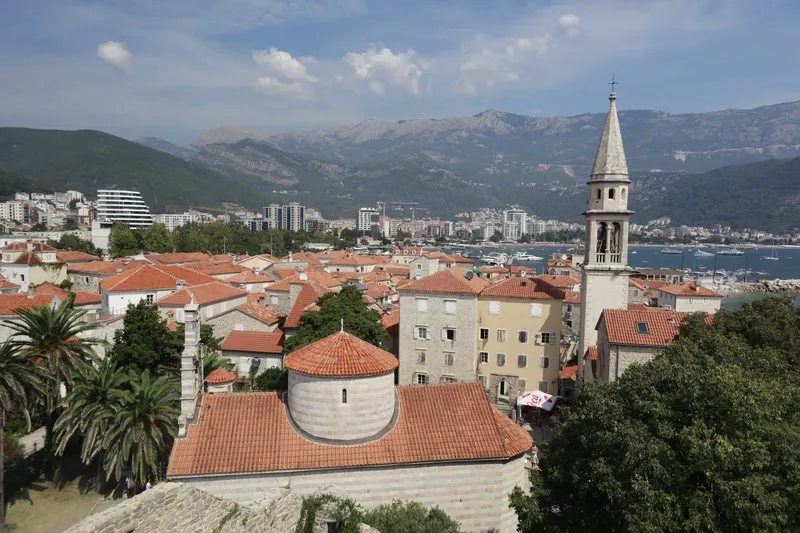
Budva Old Town
Budva · Walled town
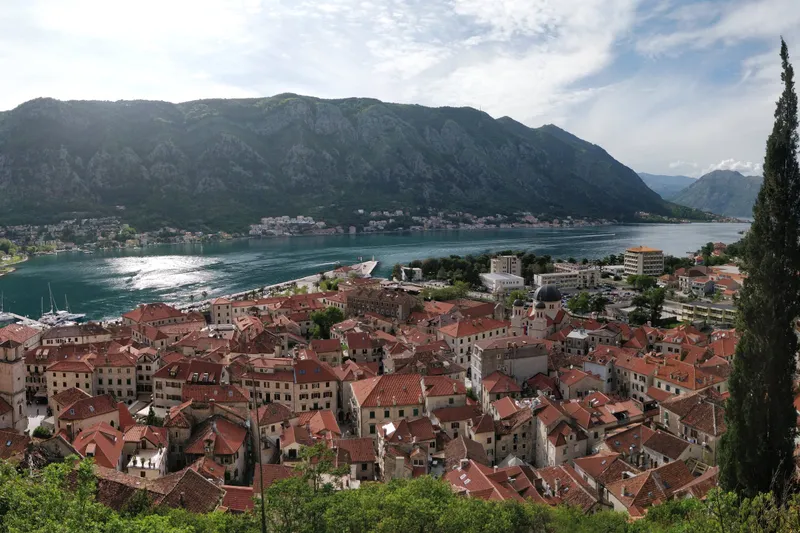
Kotor Old Town
Kotor · Walled medieval town
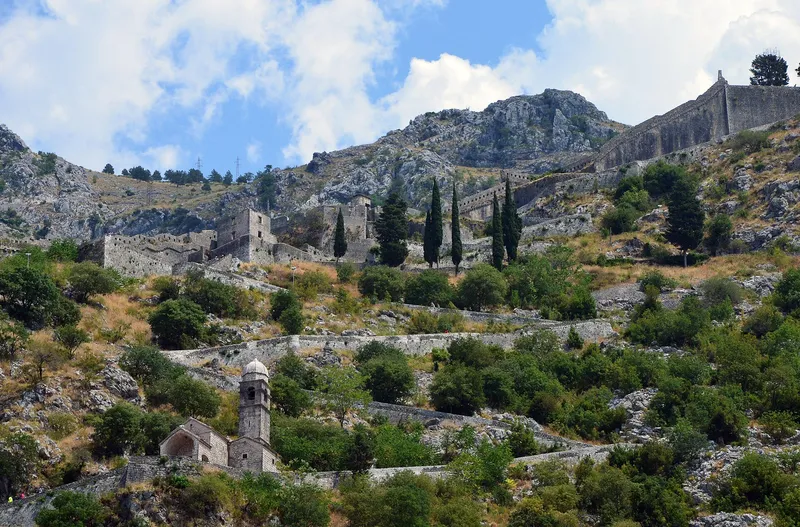
Kotor walls and St John's Fortress
Kotor · City walls and hilltop fortress
Walls built between the 6th and 19th centuries
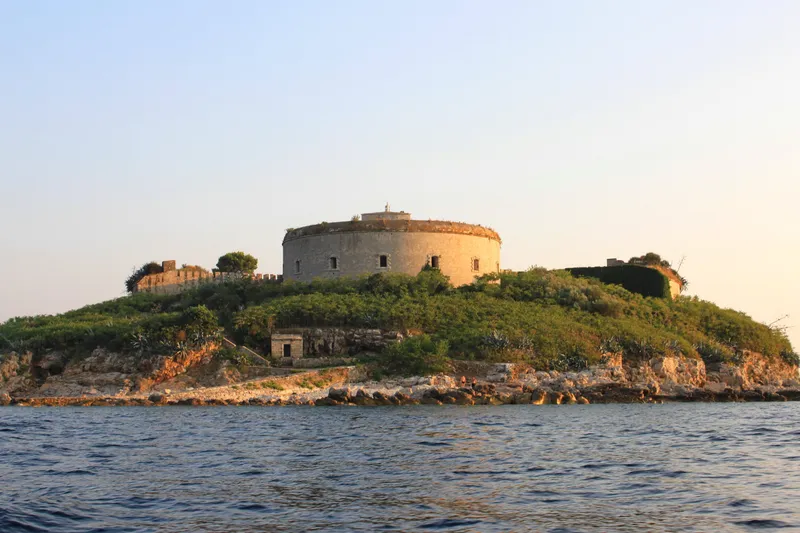
Mamula (Lastavica island)
Herceg Novi · Island fort
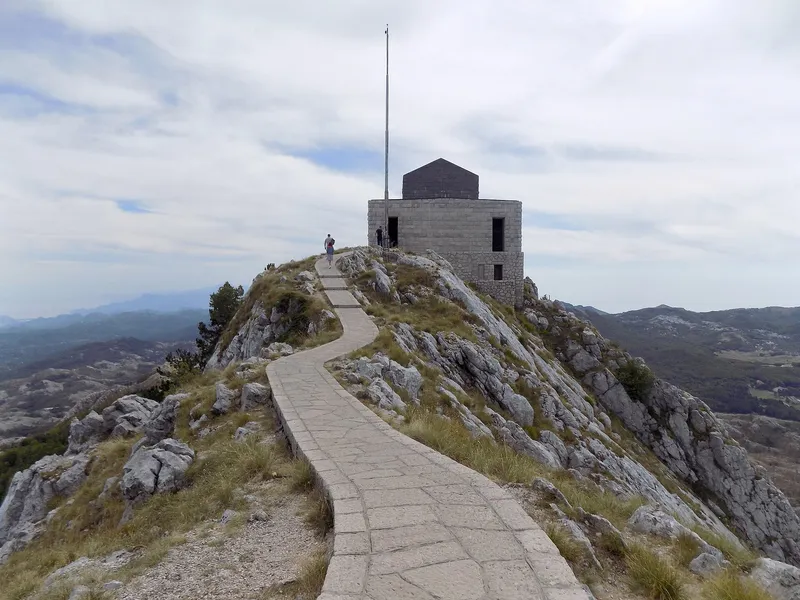
Njegoš Mausoleum
Cetinje · Mausoleum
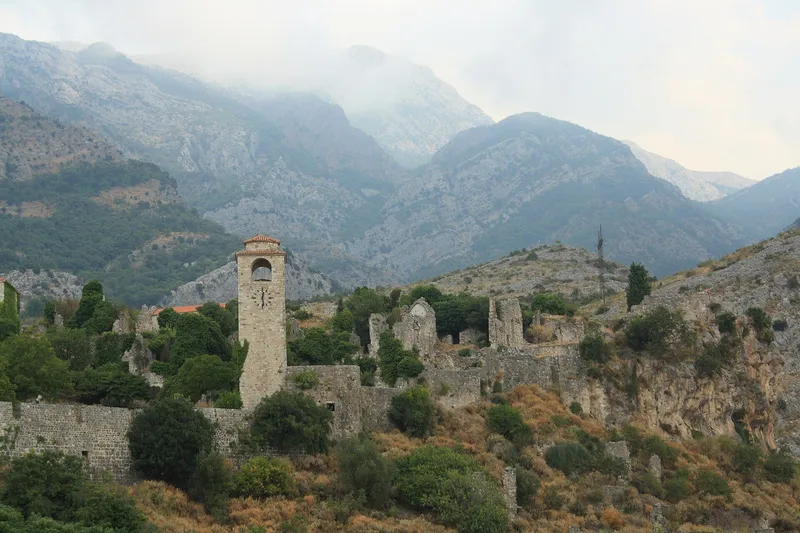
Old Bar (Stari Bar)
Bar · Walled medieval town
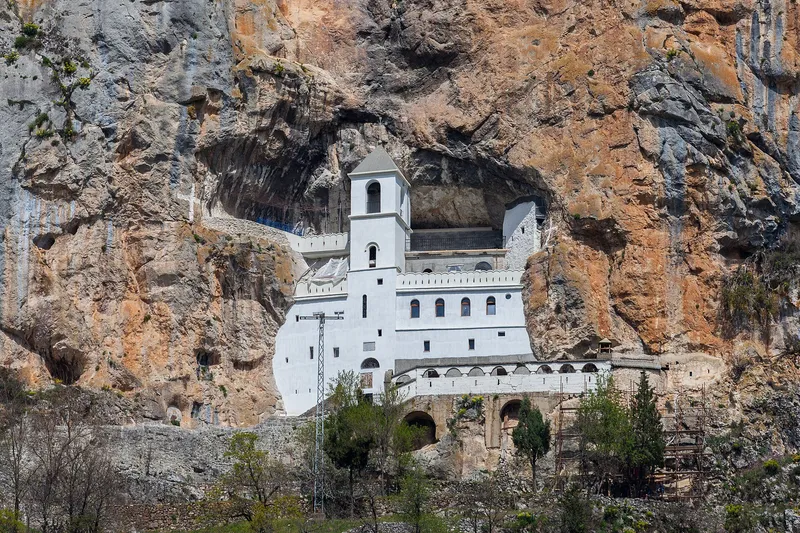
Ostrog Monastery
Danilovgrad · Orthodox monastery
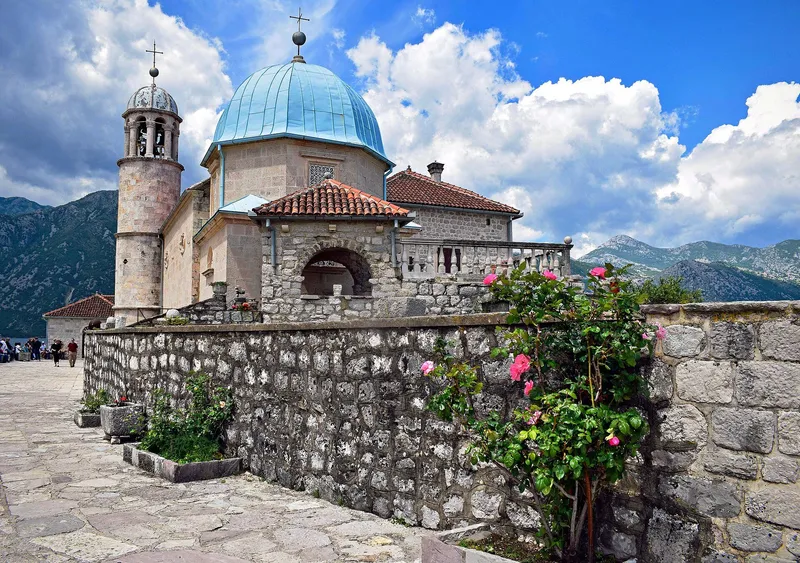
Our Lady of the Rocks
Kotor · Man-made islet with a Catholic church and museum
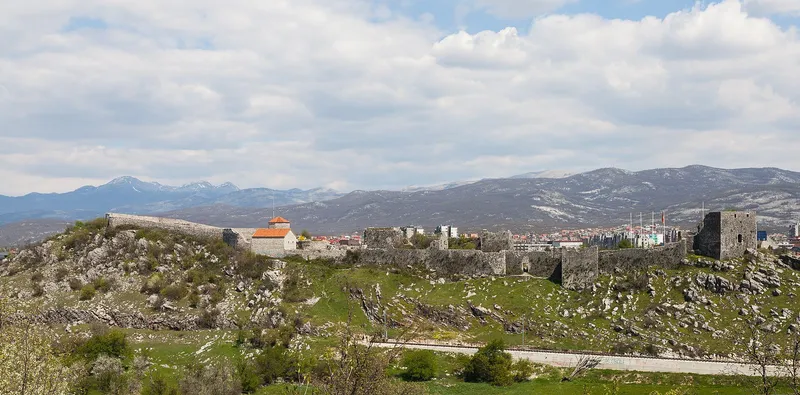
Bedem (Onogošt fortress)
Nikšić · Fortress
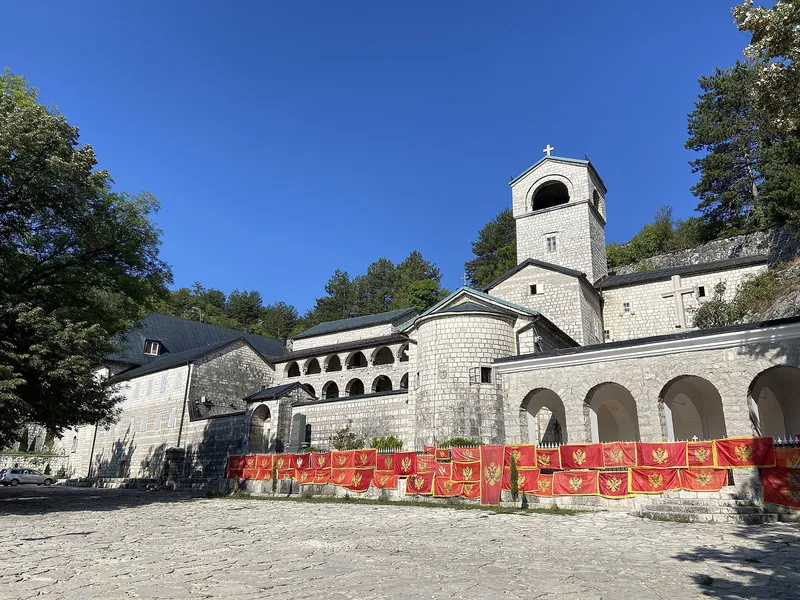
Cetinje Monastery
Cetinje · Orthodox monastery
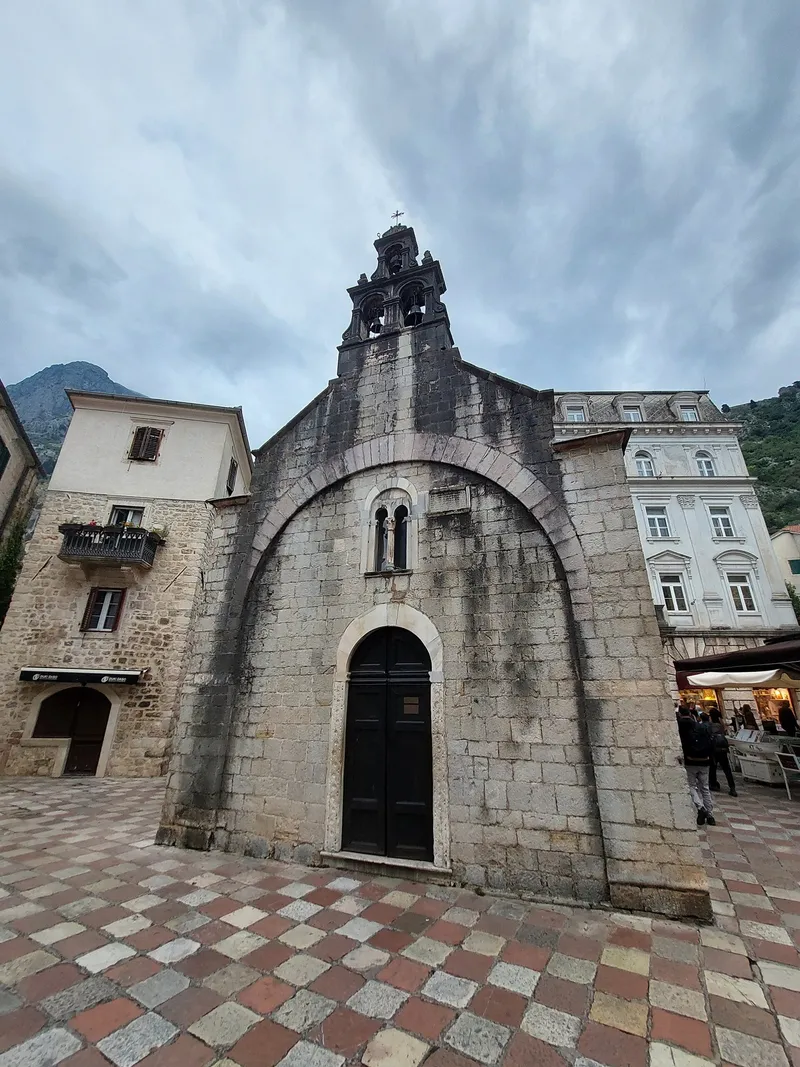
Church of St Luke
Kotor · Orthodox church
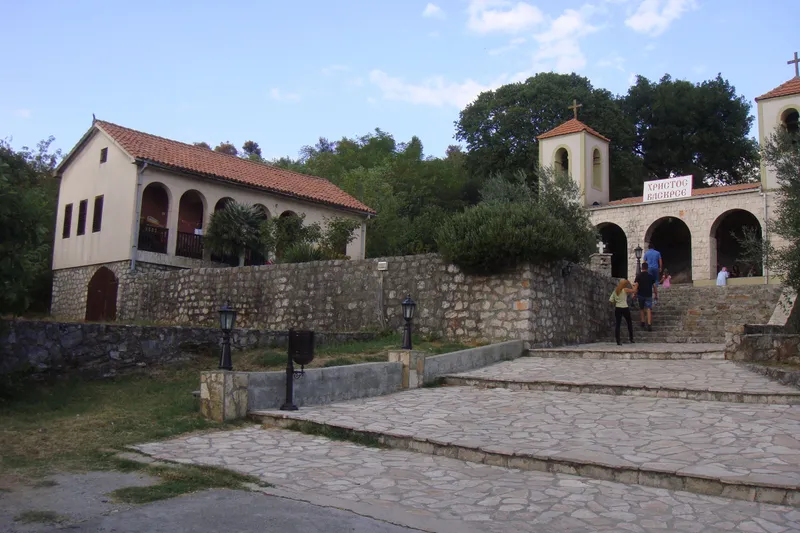
Dajbabe Monastery
Podgorica · Orthodox monastery
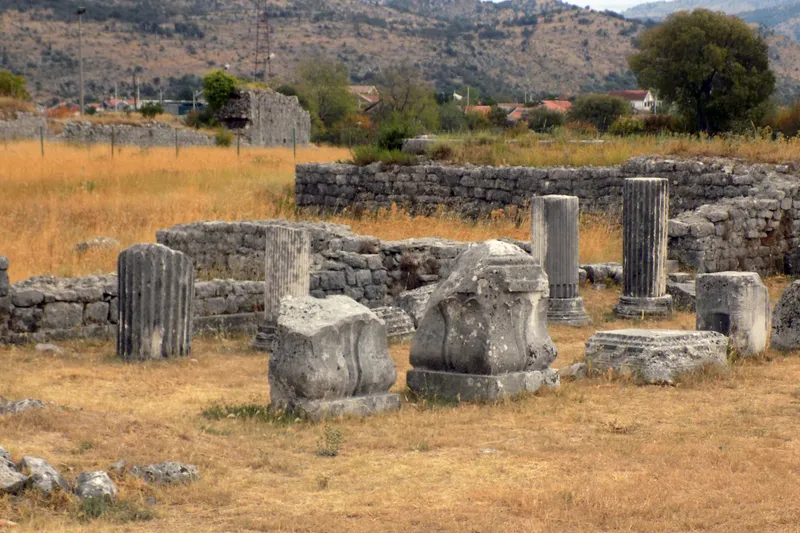
Duklja (Doclea), Roman city
Podgorica · Archaeological site
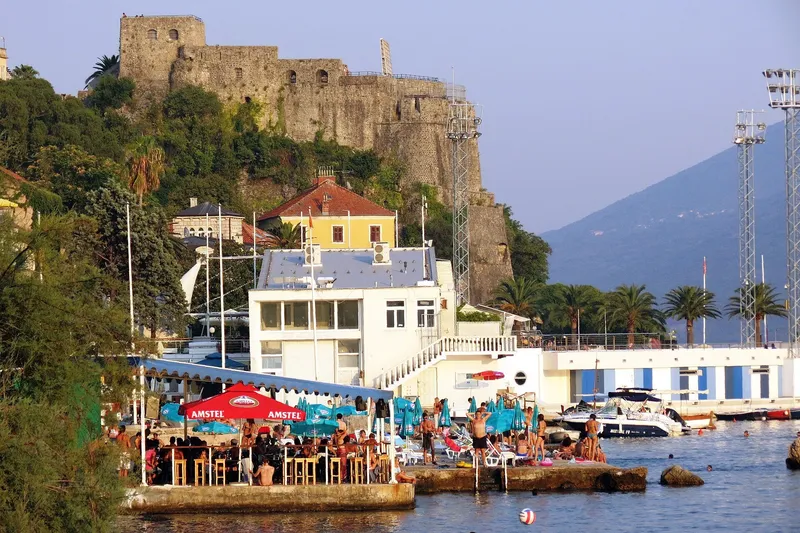
Forte Mare
Herceg Novi · Sea fortress
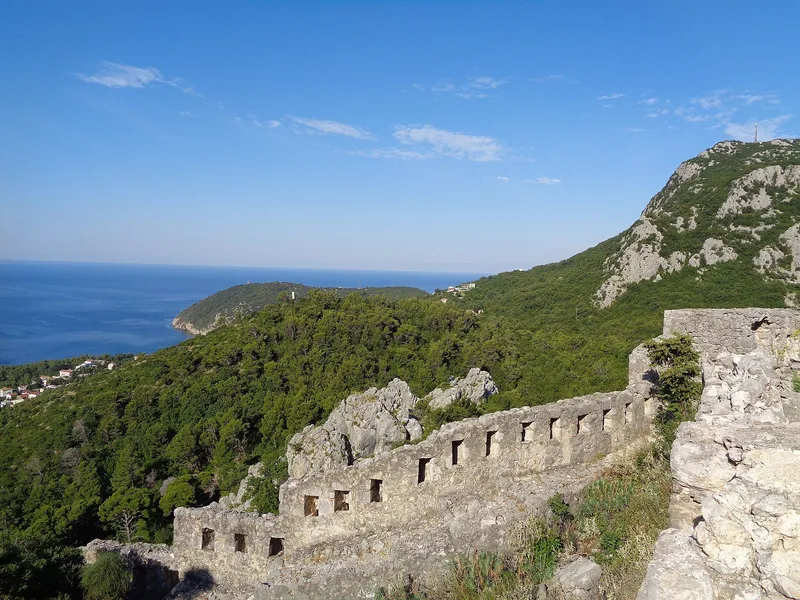
Haj-Nehaj fortress
Bar · Ruined medieval fortified town
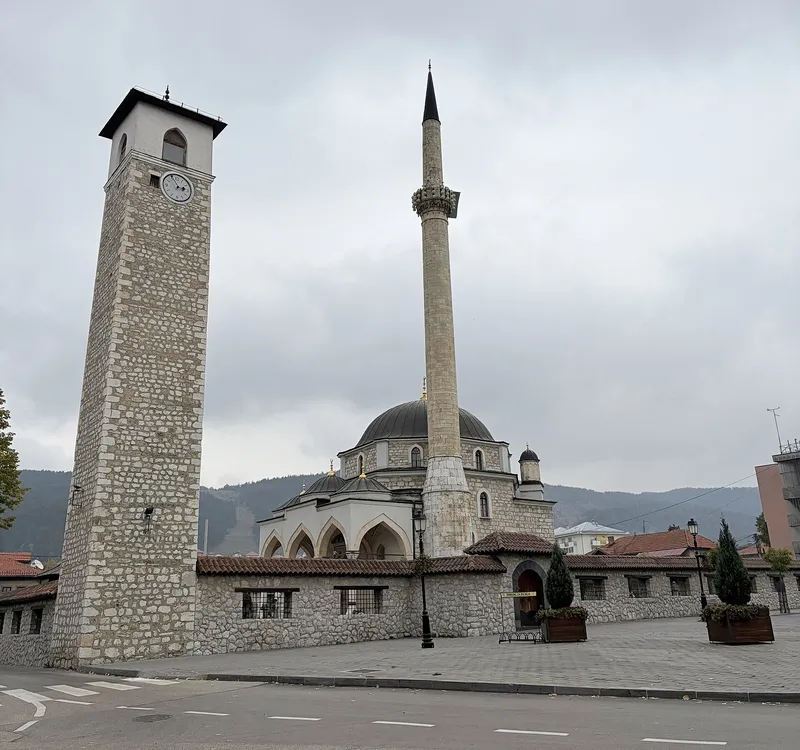
Husein-pasha Mosque
Pljevlja · Domed Ottoman mosque
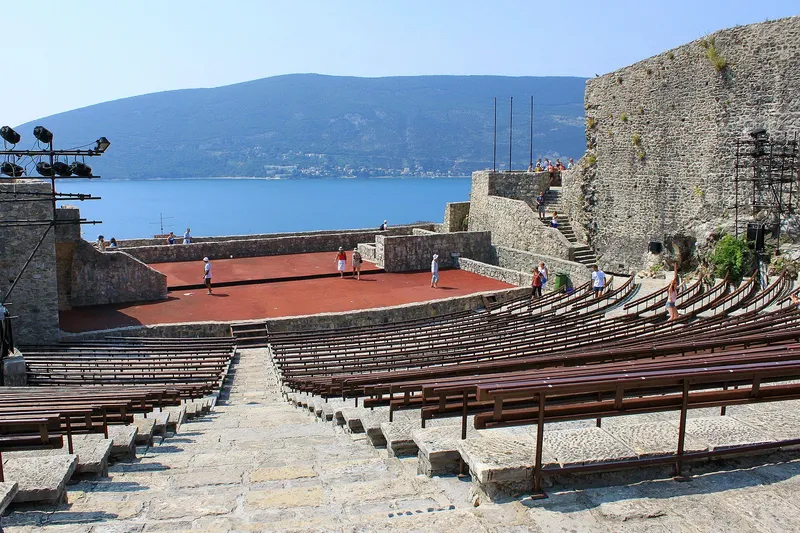
Kanli Kula fortress
Herceg Novi · Ottoman fortress
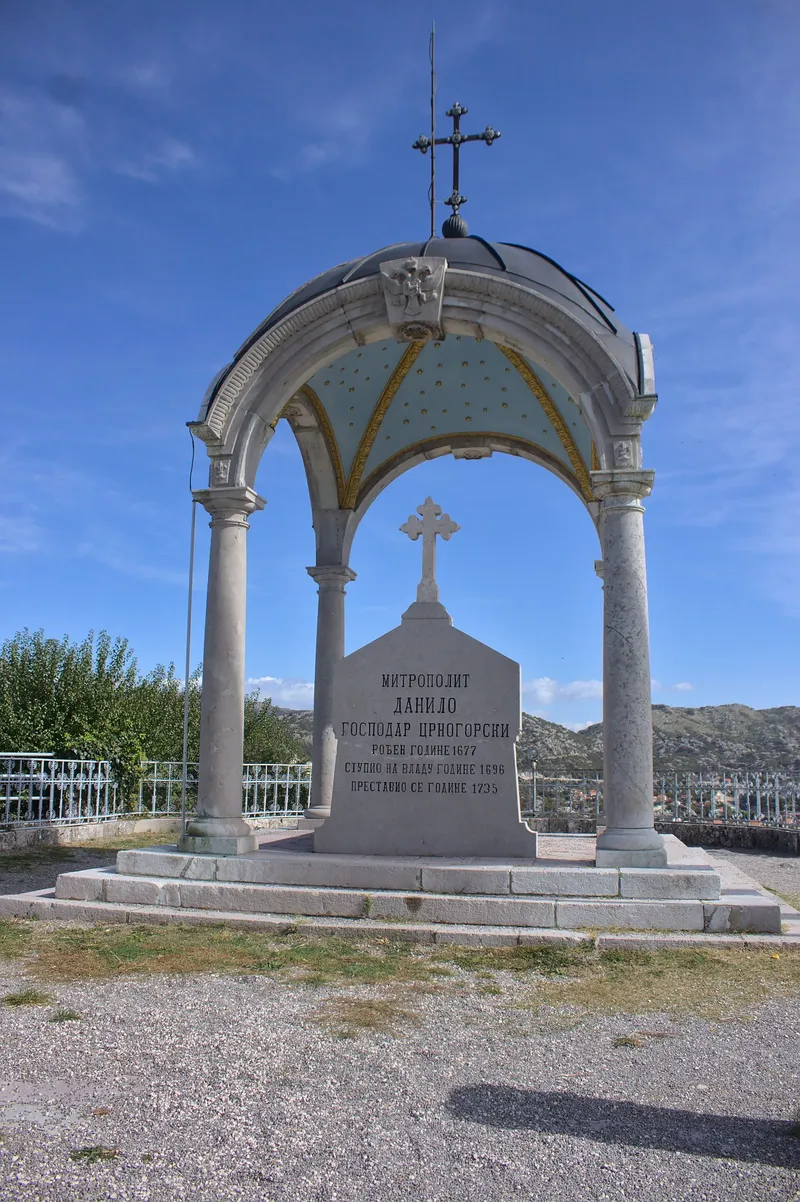
Mausoleum of Bishop Danilo
Cetinje · Open-air tomb
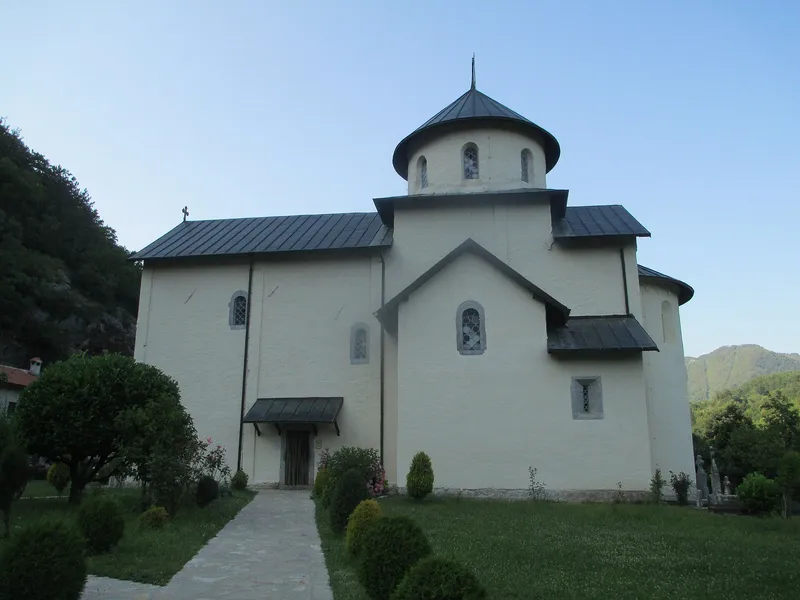
Morača Monastery
Kolašin · Orthodox monastery
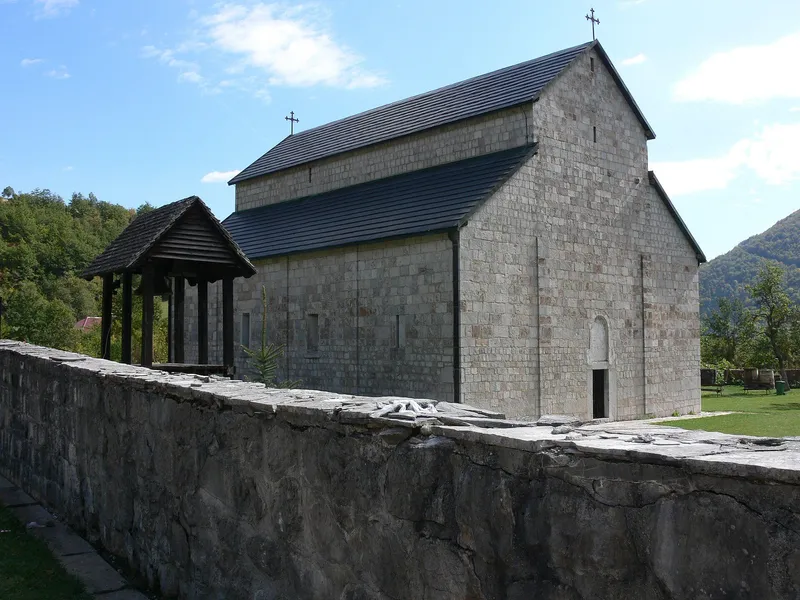
Piva Monastery
Plužine · Orthodox monastery
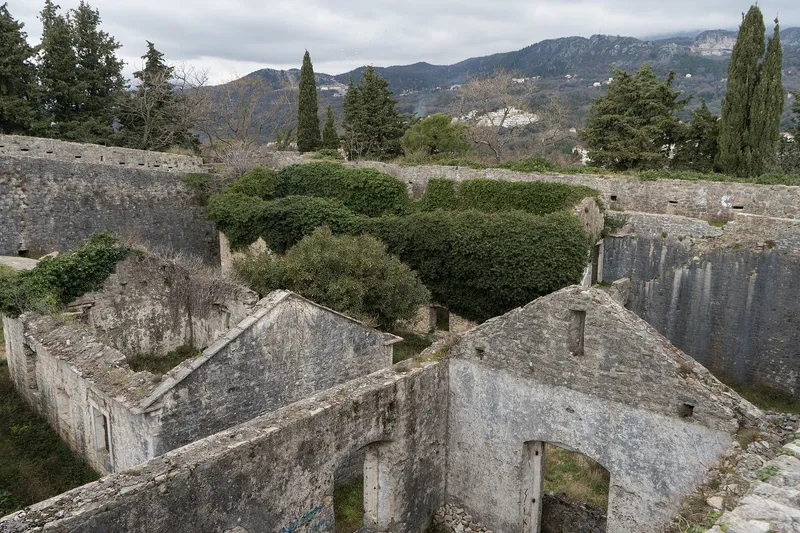
Španjola fortress
Herceg Novi · Hill fortress with four round bastions
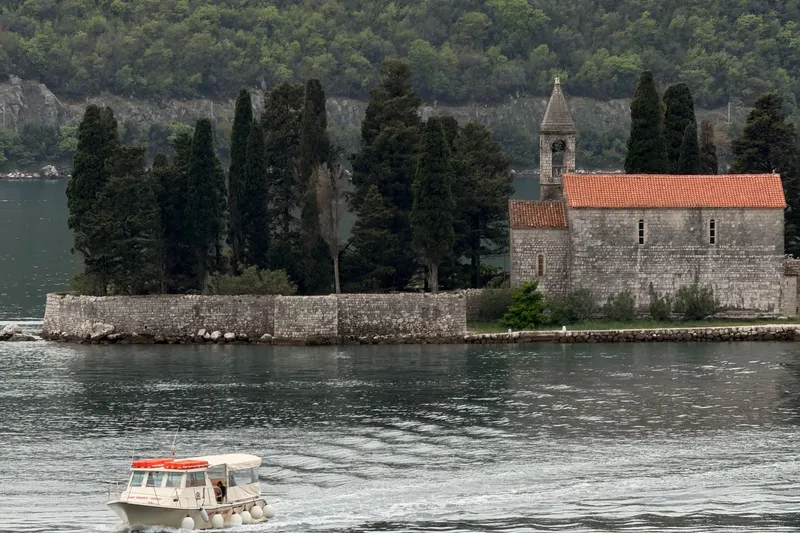
St George island (Sveti Đorđe)
Kotor · Natural island with church
Church 12th century
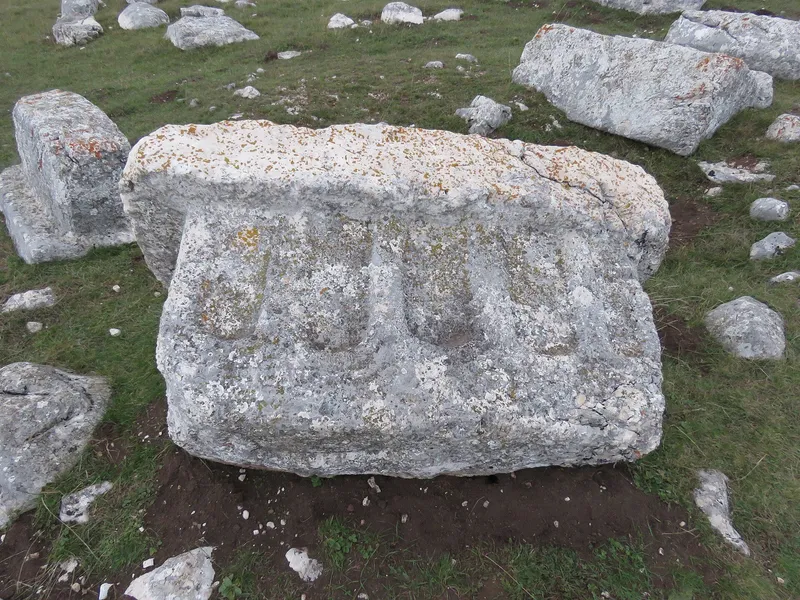
Stećci, medieval tombstone graveyards
Plužine · Medieval graveyards with carved tombstones
Mid-12th to end of the 16th century
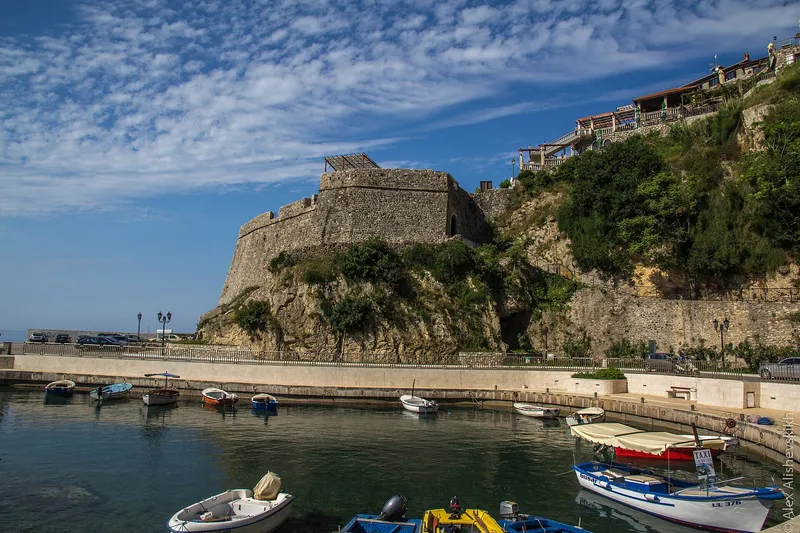
Ulcinj Old Town and Balšić Tower
Ulcinj · Walled old town with citadel and tower
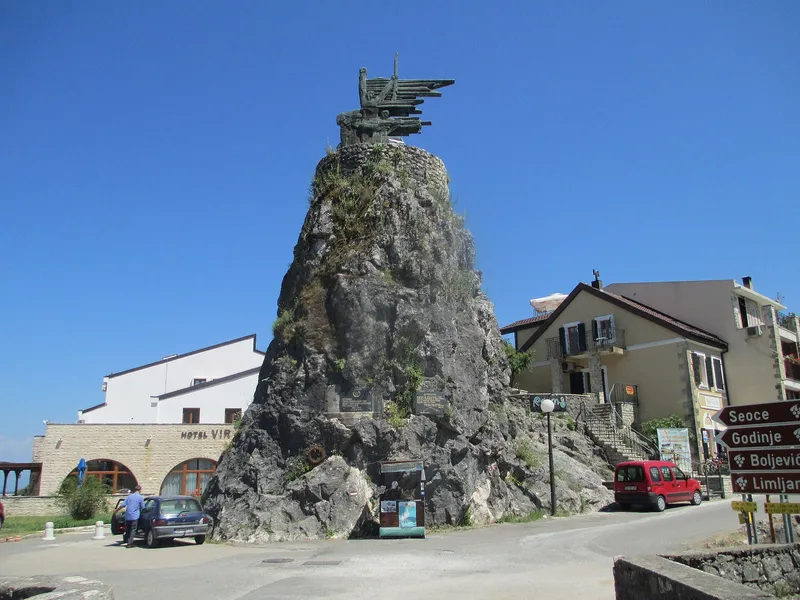
13 July memorial, Virpazar
Bar · Commemorative plaque and bronze sculpture
20th century
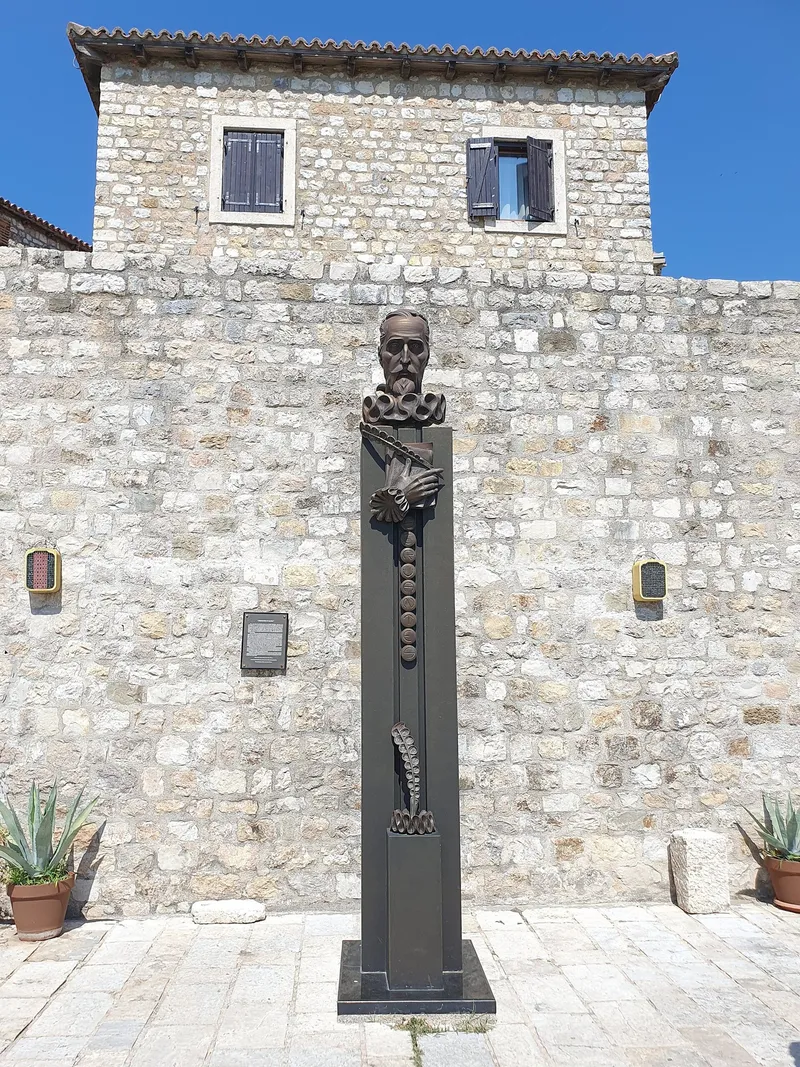
Cervantes monument, Ulcinj
Ulcinj · Bronze bust on a pillar
Commissioned under the 2018 programme
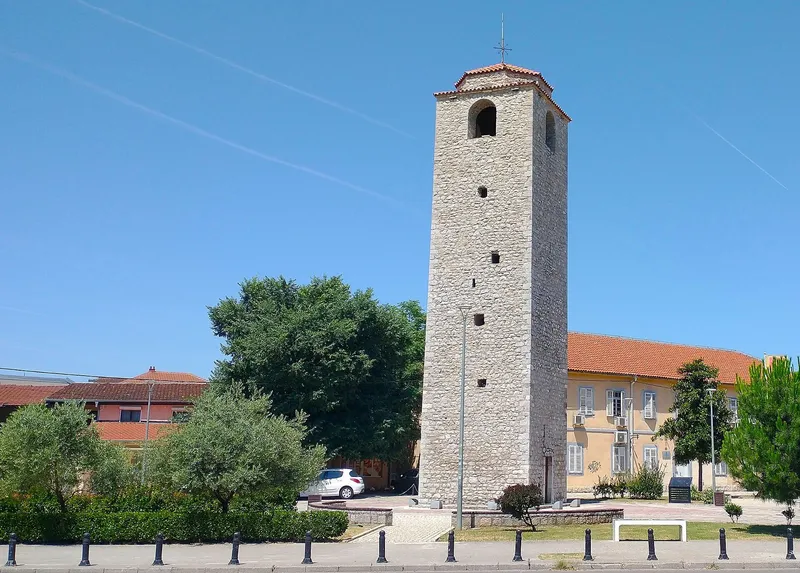
Clock tower (Sahat kula), Podgorica
Podgorica · Ottoman clock tower
18th century
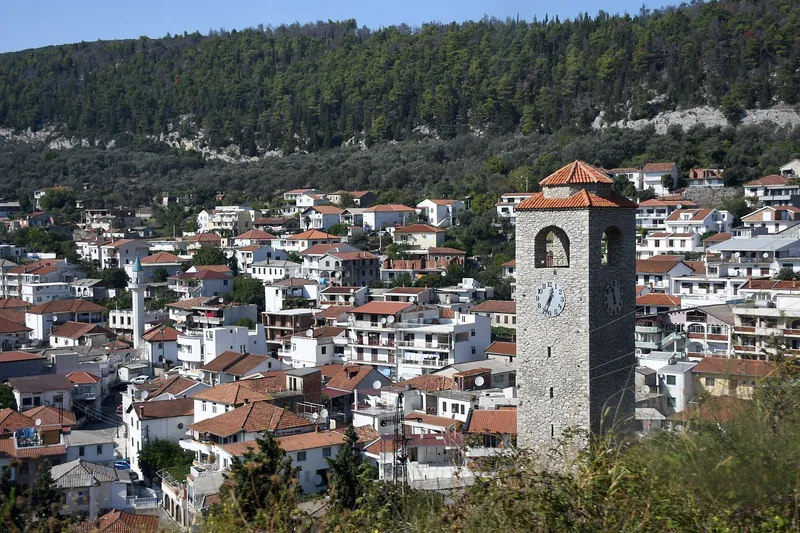
Clock tower (Sahat kula), Ulcinj
Ulcinj · Clock tower
Built 1754
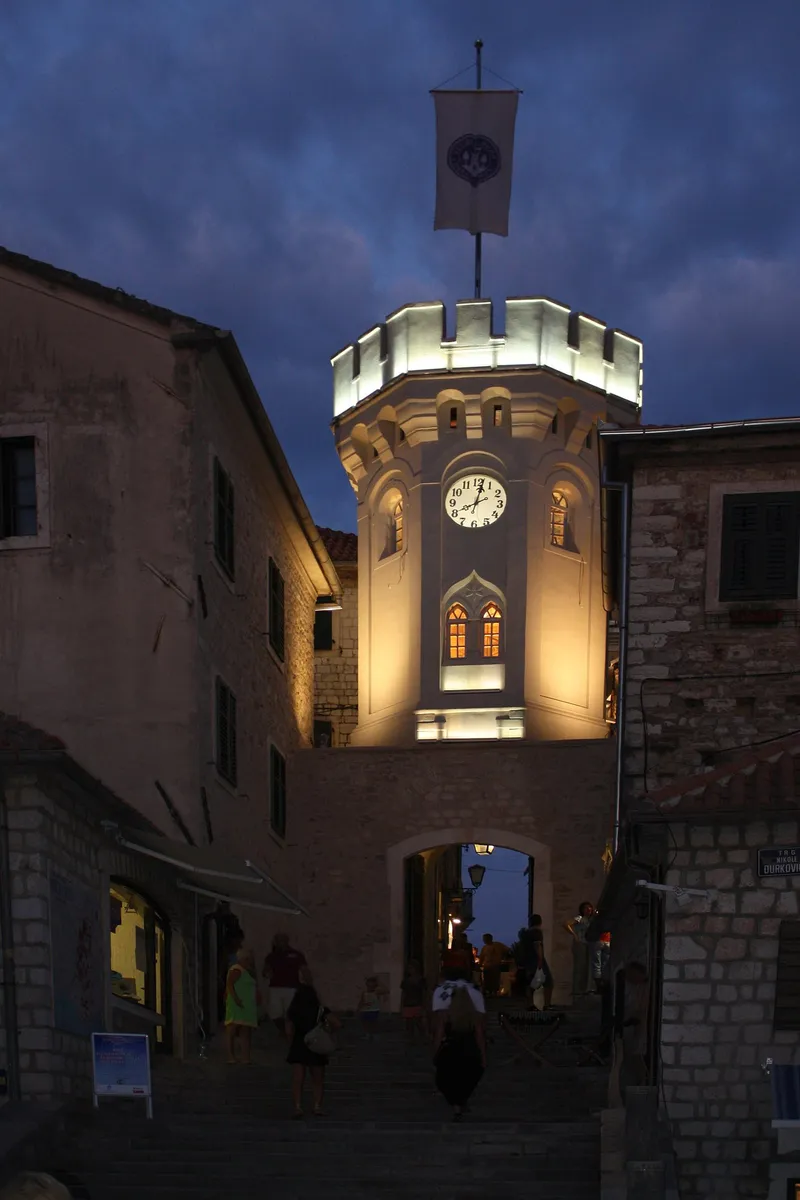
Clock tower (Sat kula), Herceg Novi
Herceg Novi · Clock tower and town gate
Built 1667
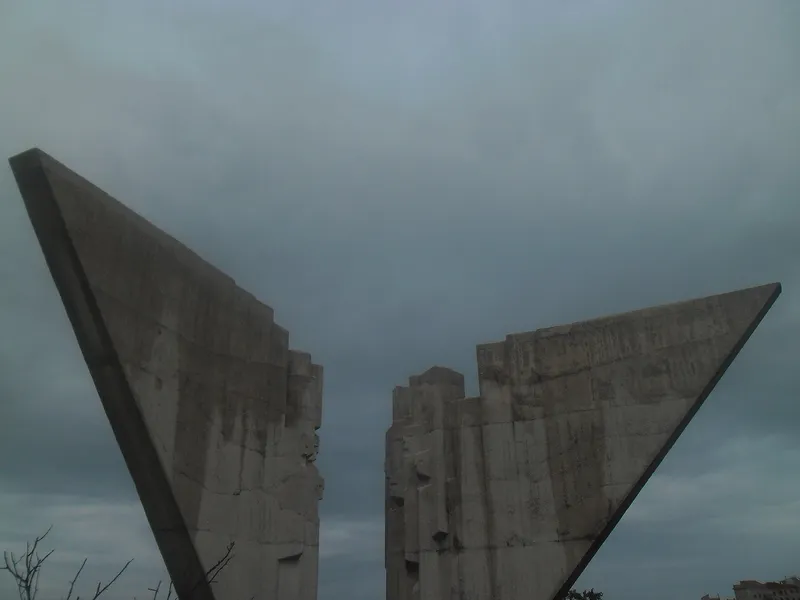
Freedom Monument, Ulcinj
Ulcinj · Concrete memorial of four wing-like shapes
Knjaževac memorial park, Andrijevica
Andrijevica · Memorial park with church
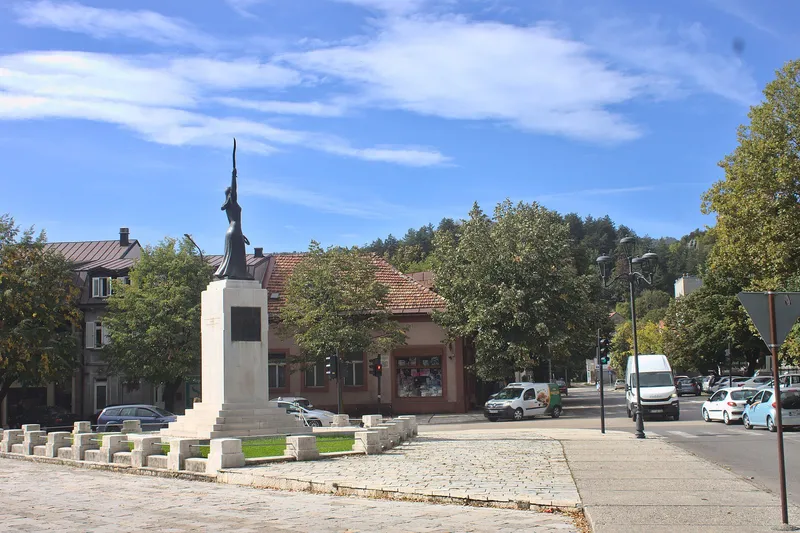
Lovćenska vila (Monument to the volunteers drowned off Medova)
Cetinje · Memorial
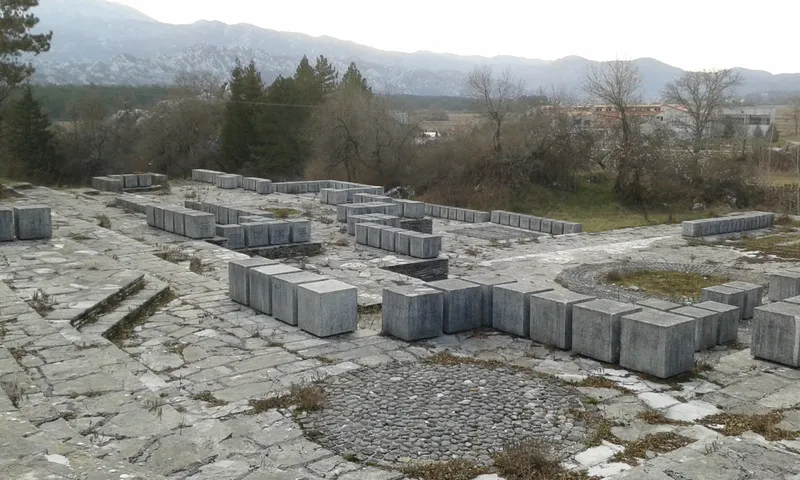
Memorial park to the Uprising and Revolution, Grahovo
Nikšić · Memorial park with a bronze statue
Memorial to the fallen on Trebjesa, Nikšić
Nikšić · Memorial complex
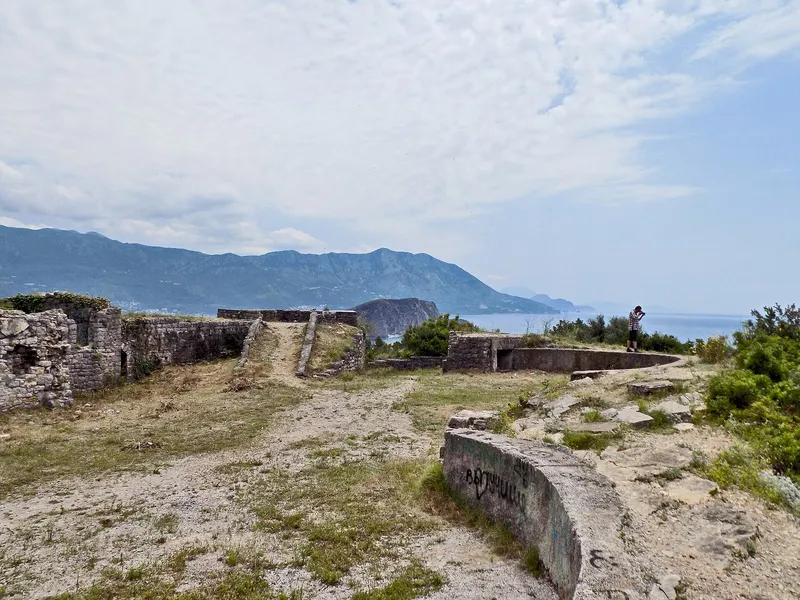
Mogren fortress
Budva · 19th-century military fortress
Built 1860
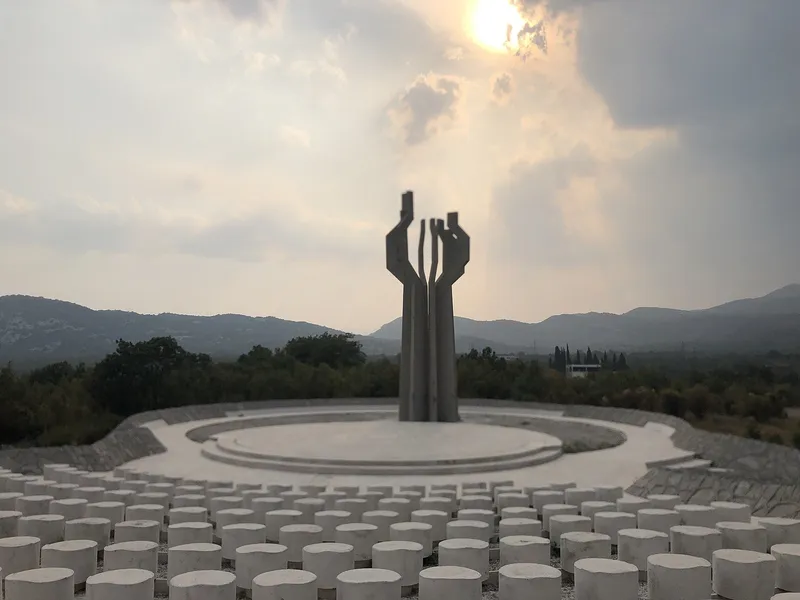
Monument at Barutana
Podgorica · Memorial complex
Monument on Obadov brijeg
Danilovgrad · Concrete sculpture
Completed and inaugurated November 1974
Monument to fallen fighters, Danilovgrad
Danilovgrad · Obelisk with bronze figures and crypt
Unveiled December 1959
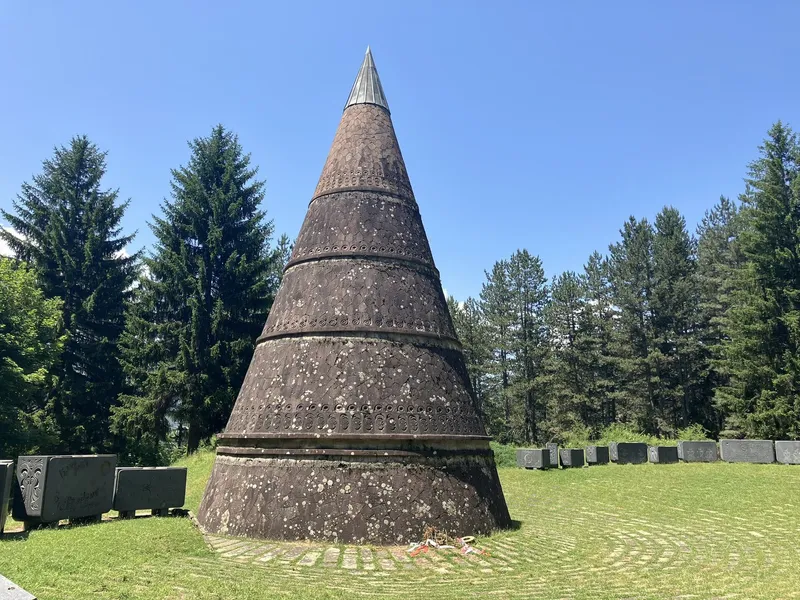
Monument to Freedom, Jasikovac
Berane · Memorial complex
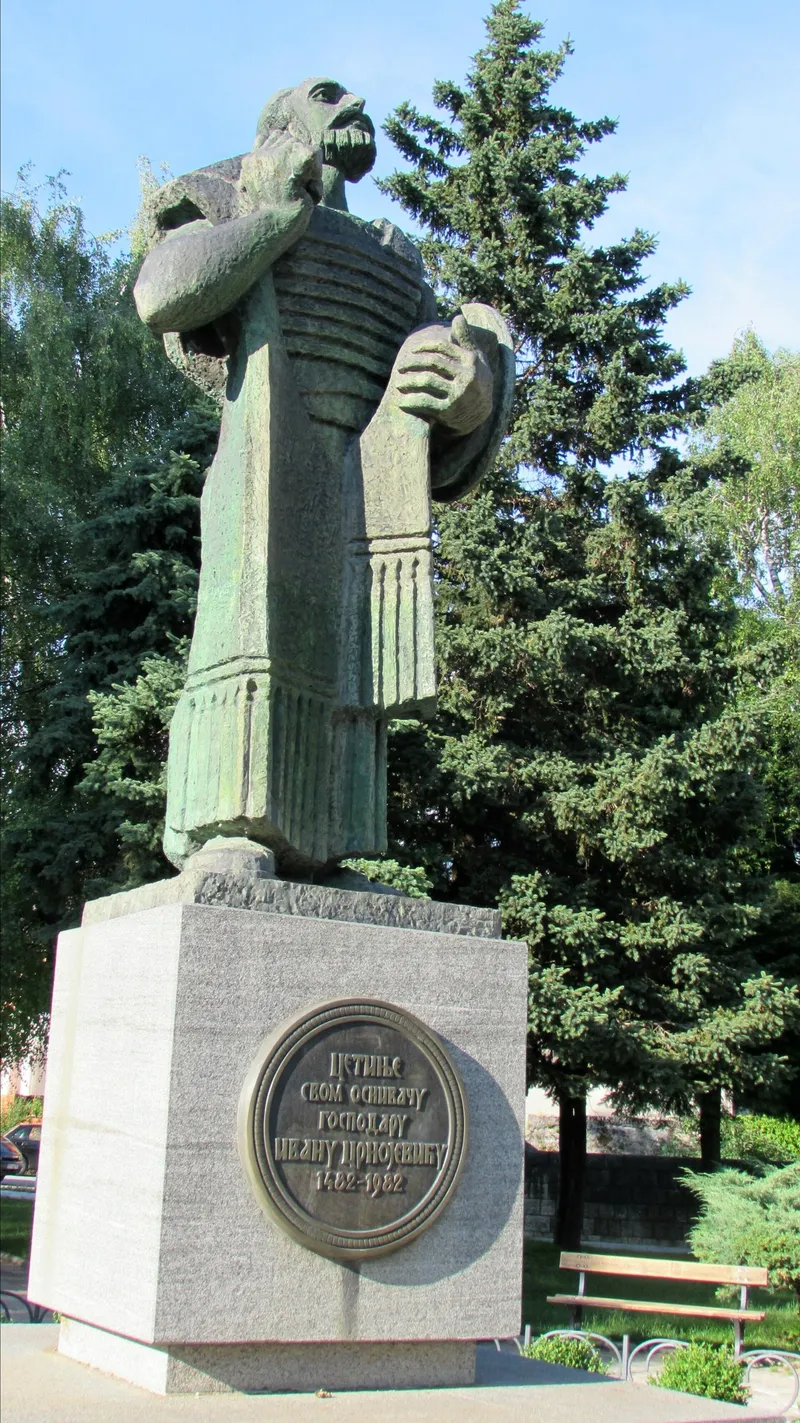
Monument to Ivan Crnojević
Cetinje · Bronze statue on a stone plinth
Made 1982, unveiled 13 July 1983
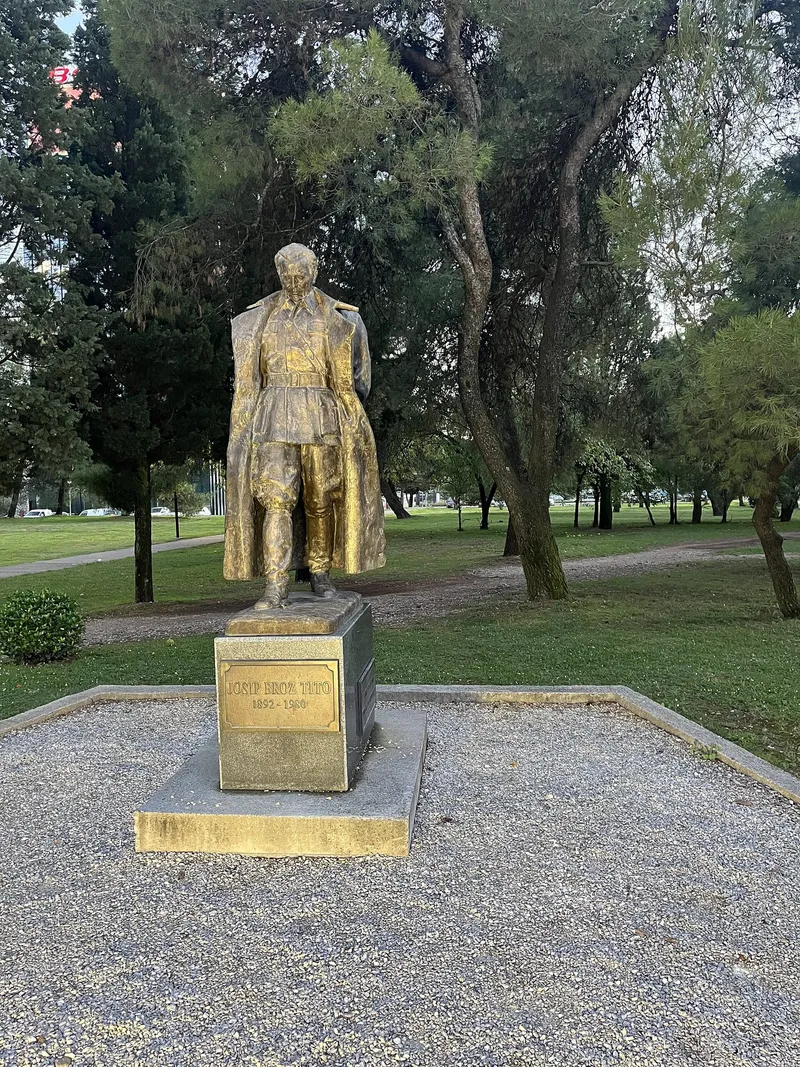
Monument to Josip Broz Tito
Podgorica · Statue
Unveiled 19 December 2018
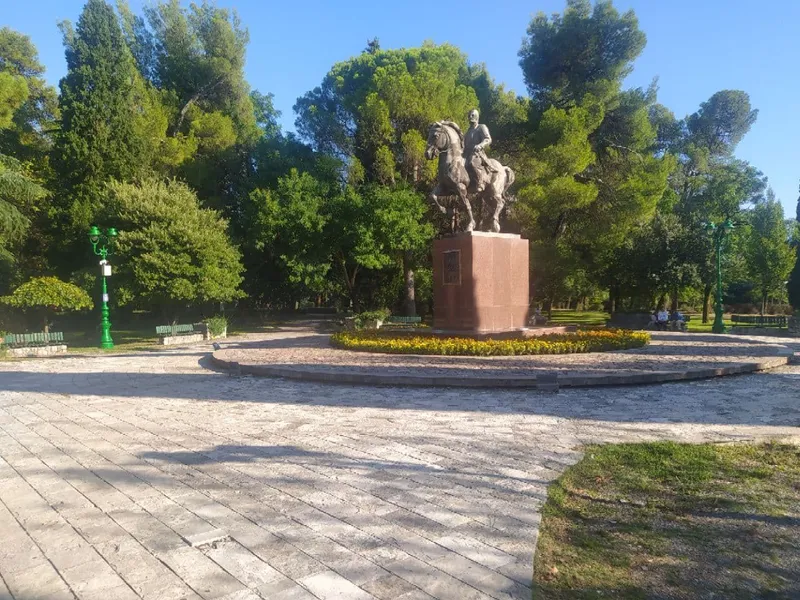
Monument to King Nikola
Podgorica · Monument
Unveiled 2005
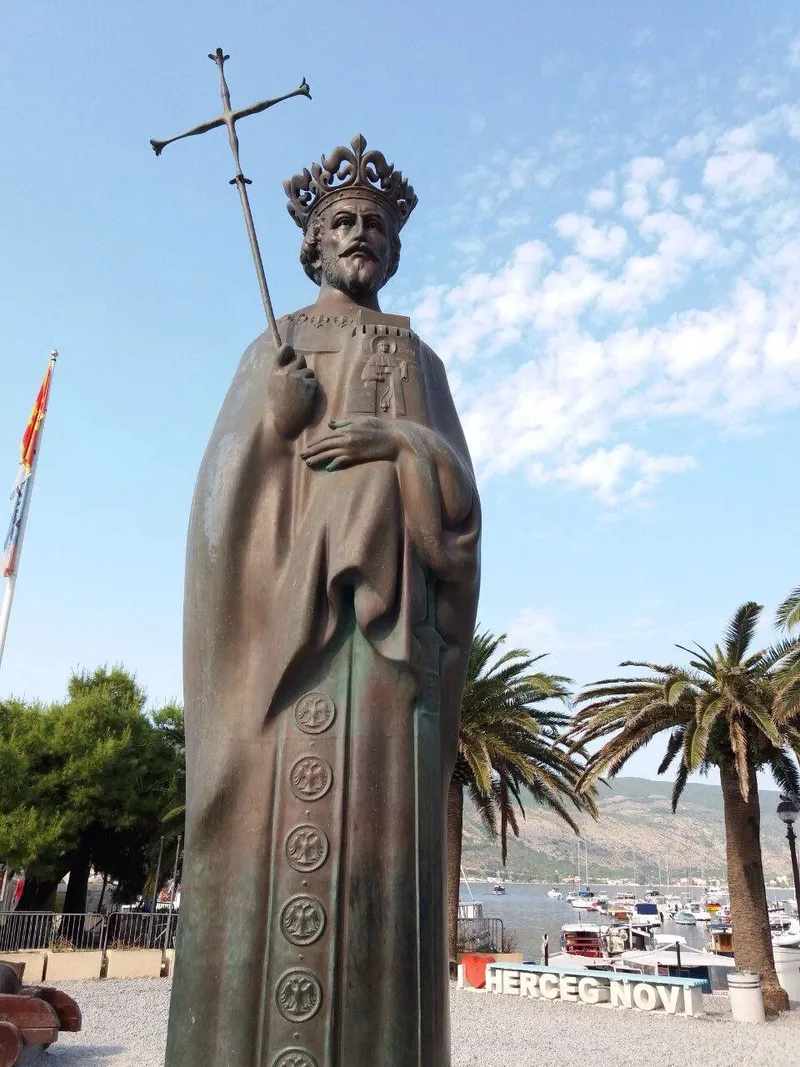
Monument to King Tvrtko I
Herceg Novi · Bronze statue
Monument to Petar I Petrović Njegoš
Podgorica · Bronze monument
Monument to Princess Ksenija
Cetinje · Bronze sculpture
Presented 13 November 2022
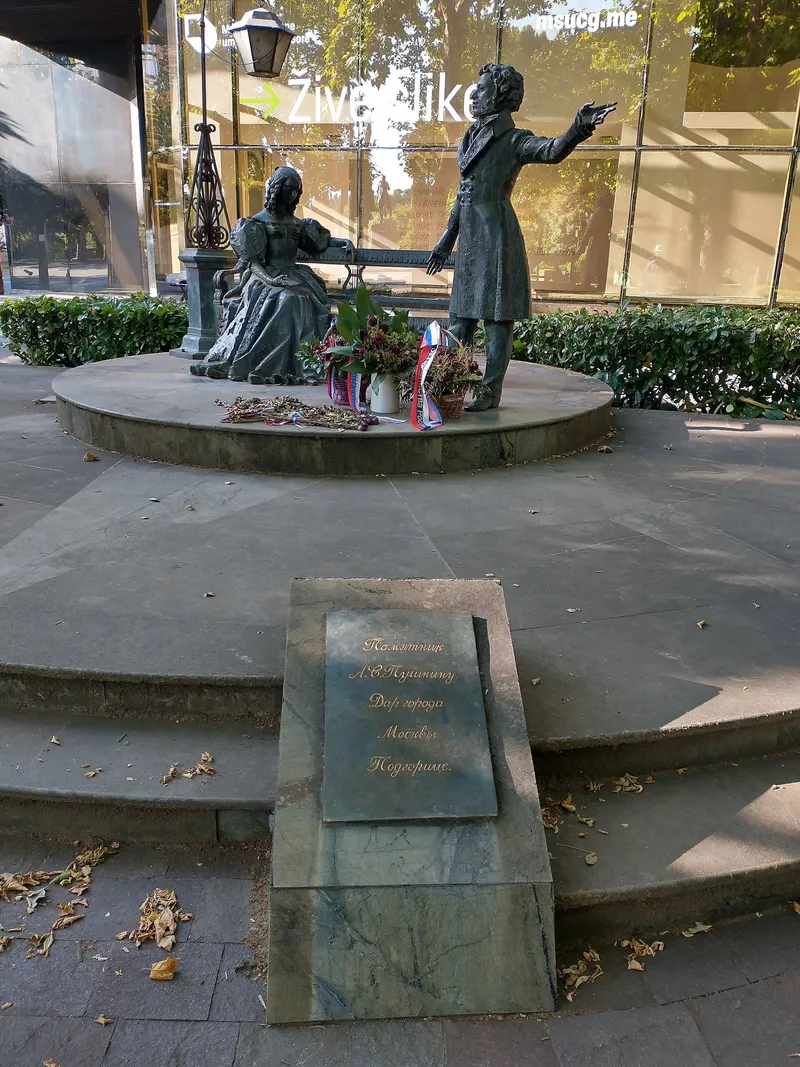
Monument to Pushkin and Natalia Goncharova
Podgorica · Bronze monument
Installed 2002
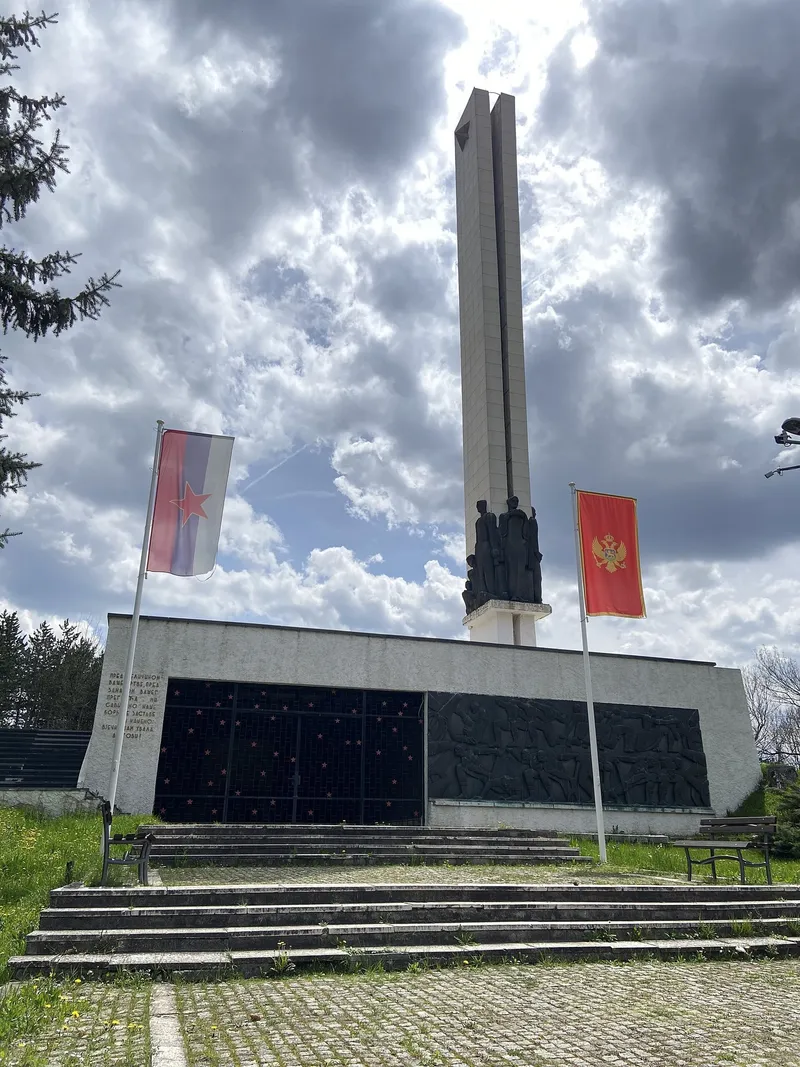
Monument to the fallen fighters on Stražica
Pljevlja · Memorial
Erected 1961
Monument to the fighters of 1919-1945, Rijeka Crnojevića
Cetinje · Memorial
Unveiled 1971
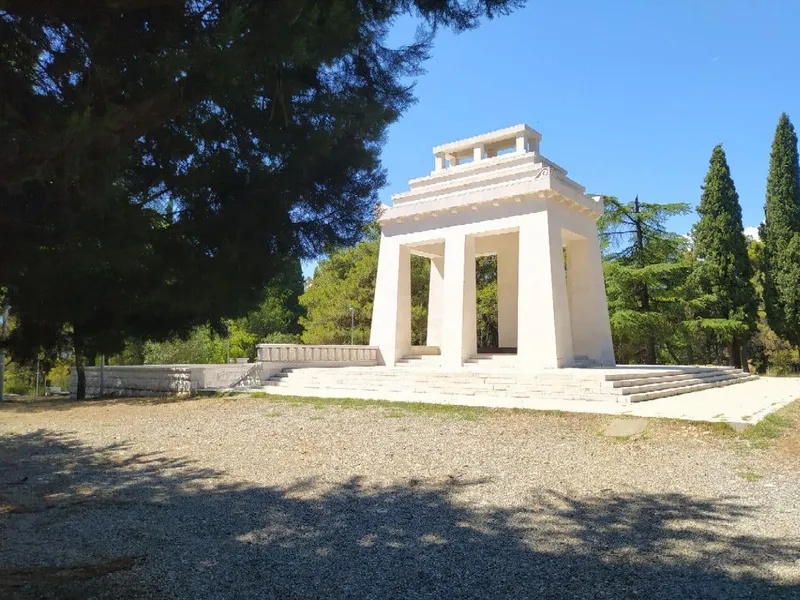
Monument to the Partisan Fighter, Gorica
Podgorica · Mausoleum and memorial
Unveiled 13 July 1957
Monument to the victims of fascism, Kolašin
Kolašin · Monument by Vojin Bakić
1949
Monument to Vladimir Vysotsky
Podgorica · Statue
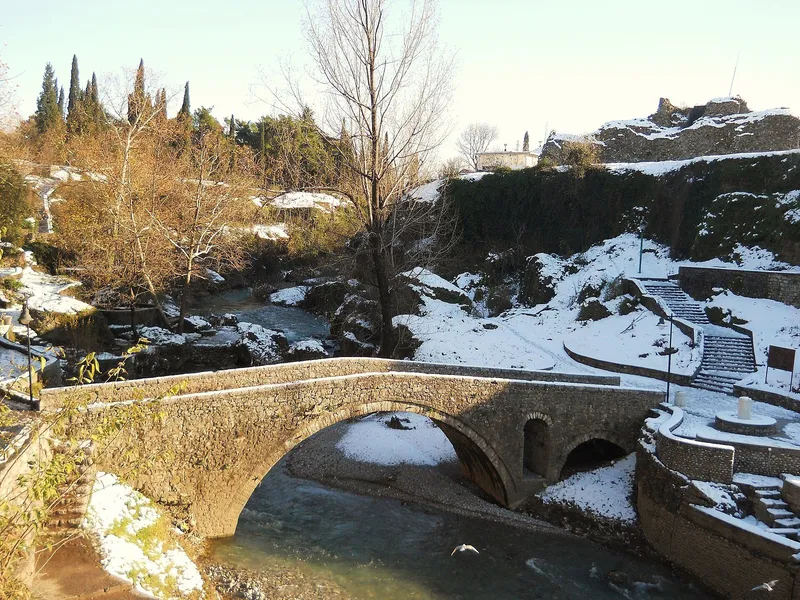
Old bridge on the Ribnica
Podgorica · Stone bridge
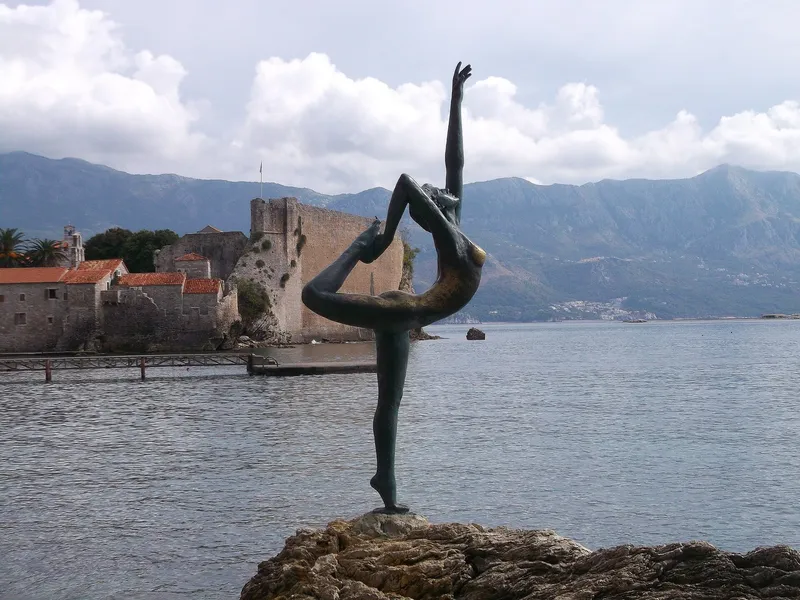
The Dancer (Balerina), Budva
Budva · Bronze statue of a dancer
Also listed
Smaller places and parts of larger ones, each with a short entry
By period
- Antiquity. Illyrian wall remains and 6th-century gates in Ulcinj Old Town; Roman Doclea, founded in the first decade of the 1st century AD, 4 km from central Podgorica, an open site with no gate.
- Middle Ages. St Luke's in Kotor (1195), Morača Monastery (1252), the 12th-century church on St George's island off Perast, the stećci tombstones of the 12th to 16th centuries near Žabljak and Plužine, and Stari Bar with over 260 ruined buildings.
- Venice and the Ottomans. The Budva Citadel (first mentioned 1425) and town walls of 1459; Kanli kula (1539) and Španjola (1538) in Herceg Novi; the Husein-pasha Mosque in Pljevlja (1569) with its 42 m minaret; Bedem in Nikšić. All the walled sites are on the fortresses page.
- The Petrović era. Cetinje Monastery, rebuilt 1701-1704; Ostrog, the cave monastery of St Basil, who died there in 1671; the Austrian Mogren fortress of 1860; the Njegoš Mausoleum, built in 1974 to Ivan Meštrović's design on the site of a chapel razed in 1916.
- The 20th century. The partisan tomb on Gorica in Podgorica (1957), the Stražica memorial in Pljevlja (1961) and the Grahovo memorial park (1978); the full set is under memorials.
By town
Kotor has the densest cluster: the Old Town inside its walls, St John's Fortress above it, St Luke's, St Tryphon's Cathedral (1166) and, 13.8 km along the bay at Perast, the islands of Our Lady of the Rocks and St George. Herceg Novi stacks three fortresses, Kanli kula, Forte Mare and Španjola, around the 16 m clock tower of 1667, once the main town gate; it still holds a bell given by Empress Catherine II of Russia in 1753 and the town archive, with documents from 1685. Budva has the Old Town, the Citadel, the walls and the Mogren fortress. Bar has Stari Bar with its aqueduct and Haj-Nehaj above Sutomore; Ulcinj the Old Town, the Balšić Tower and its own clock tower. The five walled towns are compared on the old towns page.
Inland, Cetinje has the monastery, the Mausoleum of Bishop Danilo and, on Jezerski vrh above the town, the Njegoš Mausoleum. Podgorica has Doclea, the Ottoman clock tower and Gorica; Nikšić Bedem; Pljevlja the Husein-pasha Mosque and Stražica; Danilovgrad Ostrog. Morača Monastery stands 25 km from Kolašin towards Podgorica, and Piva Monastery near Plužine was moved stone by stone between 1970 and 1982 before the Piva reservoir filled. Monasteries and churches have their own page: churches and monasteries.
Which site for what
- Half a day from Kotor: the walls to St John's Fortress in the morning, then Our Lady of the Rocks; Kotor to Perast is 13.8 km, about 22 minutes by car, plus the boat across.
- A pilgrimage: Ostrog, 37.6 km and about an hour from Podgorica, 18.5 km and about 30 minutes from Nikšić, 19.7 km and about 30 minutes from Danilovgrad; the walk from the lower to the upper monastery is about 3 km through forest, to a church built into the cliff at about 900 m above sea level, high above the Zeta valley.
- Roman remains: Doclea, 4.5 km and about 7 minutes from the centre of Podgorica.
- Medieval frescoes: Morača Monastery, 45.8 km and about 1 h 03 from Podgorica on the road to Kolašin.
- A ruined town to wander: Stari Bar, over 260 buildings in ruin, open all year.
- The view: St John's Fortress over the Bay of Kotor, or the Njegoš Mausoleum on Jezerski vrh, Lovćen.
- Ottoman Montenegro: the Husein-pasha Mosque in Pljevlja and the clock towers of Podgorica, Herceg Novi and Ulcinj.
- Free and always open: Doclea, Španjola, the stećci graveyards and the memorial parks; none has a gate or a ticket.
Opening hours and tickets
A dash means the site sets no fixed hours.
| Site | Hours | Ticket |
|---|---|---|
| Kotor walls and St John's Fortress | - | €15; residents of Montenegro free |
| Kanli kula and Forte Mare, Herceg Novi | daily 09:00-19:00 | €4; groups of 10 or more €3 each |
| Stari Bar | 08:00-21:00 in season, 08:00-17:00 off season | €3; children to 12 €1 |
| Budva town walls | daily 10:00-20:00, April to November | €2 with brochure |
| Budva Citadel | - | €5; Budva residents free |
| Njegoš Mausoleum, Lovćen | 11 Apr-15 Nov, daily 09:00-16:00; closed 16 Nov-10 Apr | €8, which also covers Njegoš's birth house; pupils and students €4; plus the Lovćen park ticket €3 |
| Ostrog and the other monasteries | - | free |
In winter
The Njegoš Mausoleum closes from 16 November to 10 April, and so does Njegoš's birth house in Njeguši; the Budva walls walk stops from December to March. Stari Bar stays open on its shorter hours, 08:00-17:00. In the Bay of Kotor the Perast museum runs 10:00-16:00, Tuesday to Sunday, from 15 October and closes for all of January; the Risan mosaics keep the same Tuesday-to-Sunday 10:00-16:00 all year except January. The National Museum units in Cetinje open on weekdays. Open-air sites, Doclea, Španjola, the stećci and the memorials, have no gates at all.
Common questions
Is Ostrog Monastery free to visit?
Yes: there is no entrance fee and no set opening time. The climb from the lower to the upper monastery is about 3 km through forest, and the upper monastery sits at about 900 m above sea level, high above the Zeta valley. From Podgorica it is 37.6 km, about an hour.
Which sites are UNESCO World Heritage?
The Kotor region (1979), which includes Kotor Old Town, Perast and its islands; the Kotor fortifications within the 2017 Venetian Works of Defence; and the three stećci graveyards at Žabljak and Plužine (2016). Stari Bar, Doclea, Cetinje's historic core and Ulcinj Old Town are on the tentative list only. Budva Old Town is on neither.
Which are open in winter?
Stari Bar (08:00-17:00), the Risan mosaics and, except in January, the Perast museum; the National Museum units in Cetinje on weekdays; and every open-air site. The Njegoš Mausoleum closes from 16 November to 10 April and the Budva walls walk from December to March.
Where is the oldest church?
In Kotor: St Tryphon's Cathedral dates from 1166 and St Luke's was built in 1195, the year on its founders' plaque. The church on St George's island off Perast also dates from the 12th century.
Related
Sources
- NTO, Cultural heritage: UNESCO
- NTO, Fortresses
- NTO, Sacral objects
- Boka News, Kotor walls fee decision, 18 Oct 2023
- Herceg Fest, fortress hours notice, 14 Apr 2026
- TO Herceg Novi, Sat kula
- TO Bar, Stari Bar
- Muzeji i galerije Budve, Bedemi grada Budve
- RTV Budva, Citadel ticket, 17 Mar 2025
- National Museum of Montenegro, Njegoš Mausoleum visit
- National Museum of Montenegro, Njegoš's birth house visit
- National Museum of Montenegro, opening hours
- Museums of Kotor, admission fees and hours
- Stećci World Heritage, Montenegrin components
- UNESCO ICH, Boka Navy Kotor
- Government of Montenegro, tentative list 2010
- Routes computed with OSRM on OpenStreetMap data (ODbL)