Duklja (Doclea), Roman city
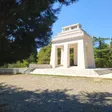
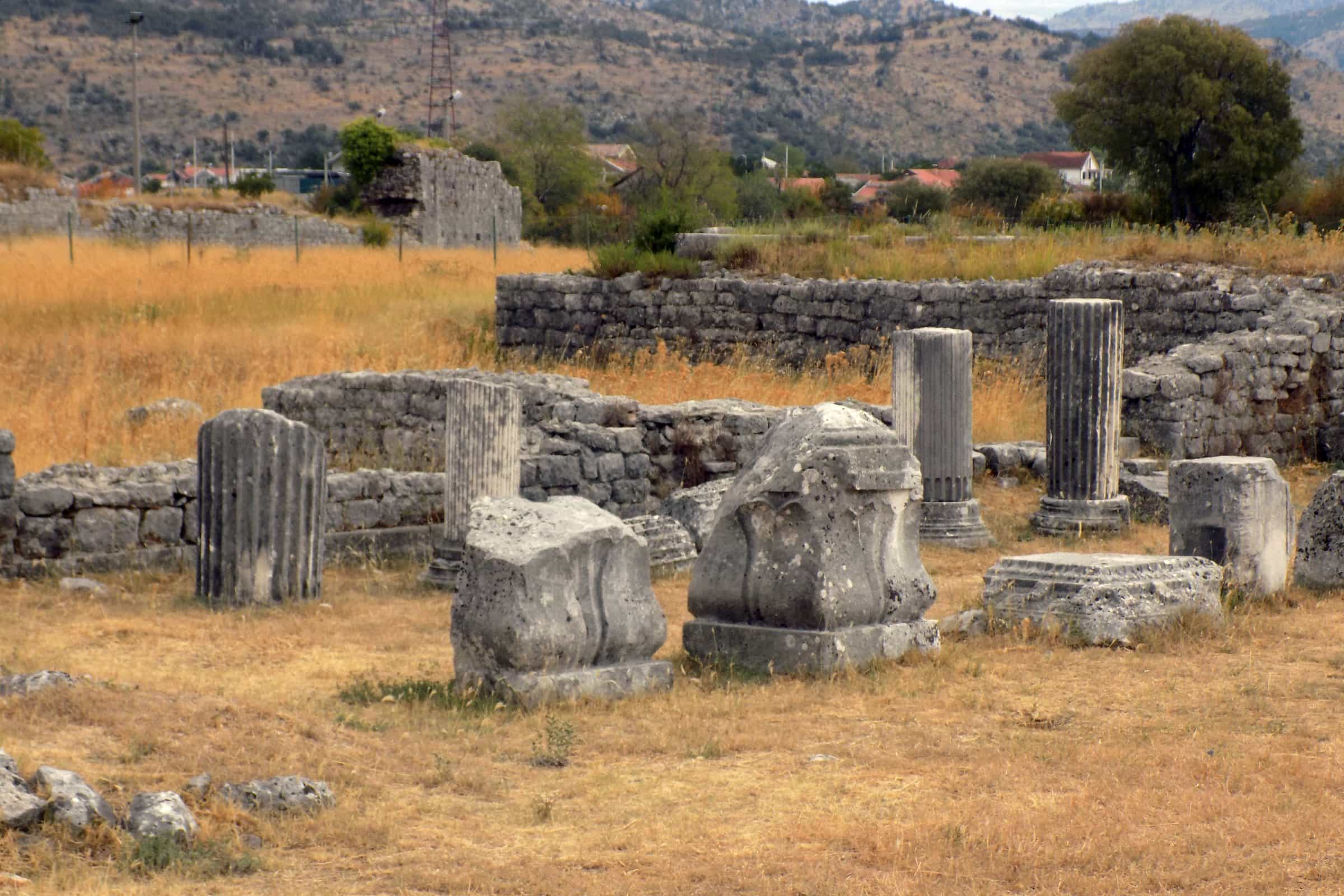
Remains of the Roman town of Doclea on the plateau between the Morača, Zeta and Širalija, 4 km north of central Podgorica
Archaeological site · Plateau between the Morača
Photo: BuhaM · CC BY-SA 4.0
Duklja is the site of Doclea, the Roman town on the plateau between the Morača, Zeta and Širalija rivers, 4 km north of the centre of Podgorica. Founded in the first decade of the 1st century AD, it grew into a walled town with, from the 4th century, a Christian quarter and a large episcopal basilica on its east side. Excavations began at the end of the 19th century and continue; the finds are in the City Museum of Podgorica, and the site is on Montenegro's UNESCO Tentative List. It is 8 minutes by car from the city centre.
Visiting
The ruins lie in the open on the river plateau. The foundations are low, so the site reads best with a plan in hand or after a visit to the City Museum, where the grave goods from the necropolises are displayed. Concerts and film screenings are sometimes held among the ruins. Wear closed shoes: the ground is stony.

What to see
- The town walls, which 2018 research dated to the 4th century, replacing the earlier dating to the late 1st or early 2nd century.
- The Christian quarter on the east side, with churches and the episcopal basilica of the 4th century and after.
- The necropolises outside the walls. The western necropolis at Košturnica, in Rogami, was excavated in 2022-2024, with graves of the 1st-4th centuries.
The finds and the Podgorica cup
The graves of Doclea gave up ceramic and glass vessels, jewellery, tools, weapons and coins, now in the City Museum of Podgorica. The most famous single find is the Podgorica cup, a 4th-century glass bowl engraved with scenes from the Old and New Testaments, which is in the Hermitage in St Petersburg. A legend makes Doclea the birthplace of the emperor Diocletian.

History
Doclea was founded by the Romans in the first decade of the 1st century AD, on a plateau between three rivers. In the 4th century its Christian quarter and episcopal basilica were built and, as the 2018 excavations showed, its walls were raised. Excavations began at the end of the 19th century; in 2018 the Centre for Conservation and Archaeology researched the north, west and south parts of the town, and the 2022-2024 campaign opened the western necropolis. Doclea has been on Montenegro's UNESCO Tentative List since 2010.

Getting there
By car the site is 4.8 km (about 8 minutes) from the centre of Podgorica, north of the city at the confluence of the Zeta and the Morača, and 17.5 km (about 27 minutes) from Danilovgrad.
Nearby
- City Museum of Podgorica, where the finds are.
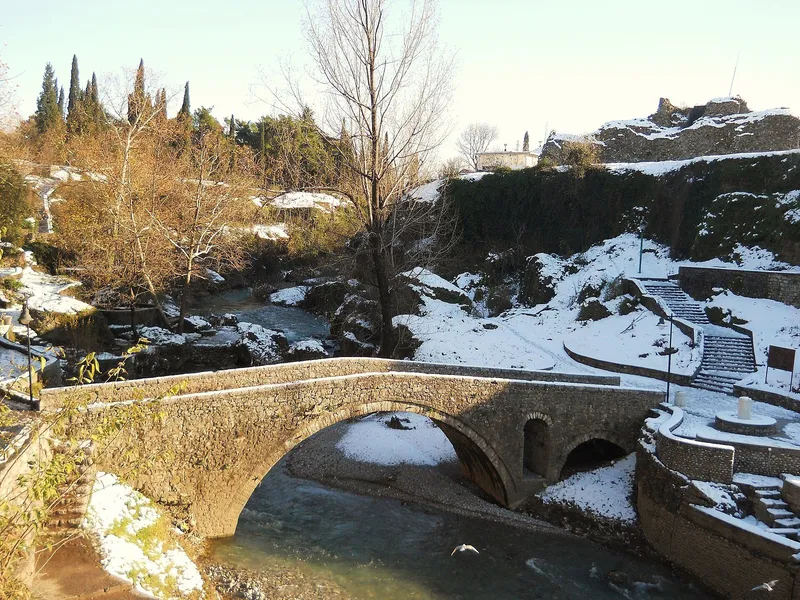
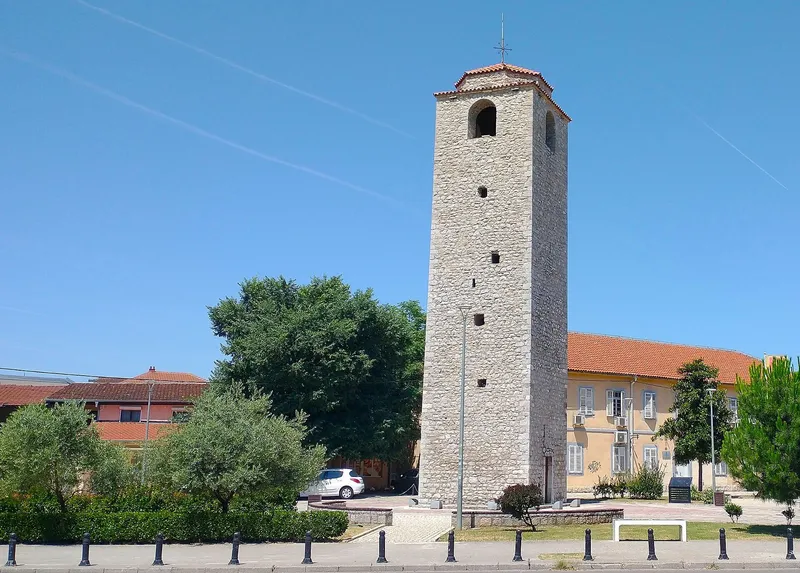
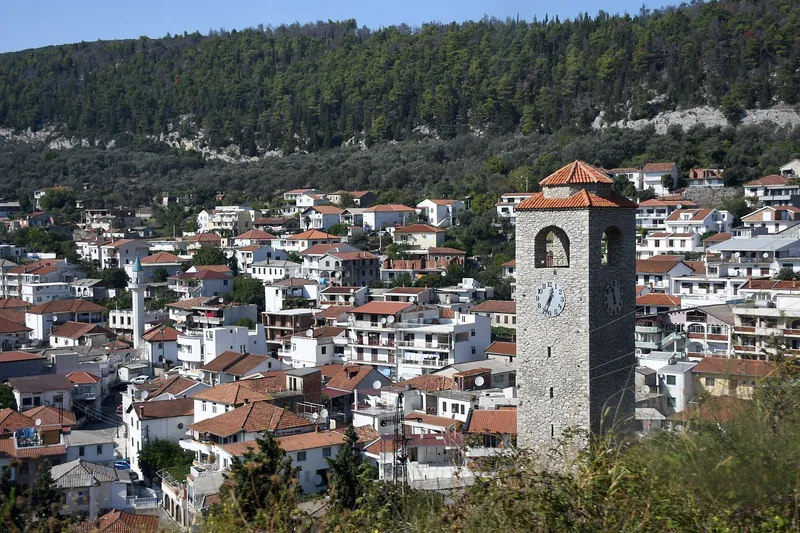
- Clock tower and the old bridge on the Ribnica in Stara Varoš.
- Monument to the Partisan Fighter on Gorica.
- Medun, the hill fort and museum north-east of the city.
- Other monuments in Montenegro.
History
1st century AD
Roman town founded
Doclea is founded in the first decade of the 1st century on the plateau between the rivers.
4th century
Walls and Christian quarter
A Christian quarter with churches and a large episcopal basilica grows on the east side; the town walls date from this century.
End of the 19th century
First excavations
Excavations begin and continue to this day.
2018
Walls redated
Research in the north, west and south of the town dates the walls to the 4th century.
2022-2024
Western necropolis
The necropolis at Košturnica (Rogami) is excavated, with graves of the 1st-4th centuries.
Sources
Podgorica Tourist Organisation, Duklja · National Tourism Organisation of Montenegro, Archaeological sites · Centar za konzervaciju i arheologiju Crne Gore, aktivnosti 2018 (walls redated to the 4th century) · Podgorica Tourist Organisation, exhibition on the western necropolis of Doclea (Košturnica, Rogami, 2022-2024) · Wikipedia, List of World Heritage Sites in Montenegro (Tentative List 2010; secondary) · OpenStreetMap way 961707114, Duklja, ODbL · OSRM routing (car and foot, OpenStreetMap data, ODbL; times without traffic)