Tivatska solila Special Nature Reserve
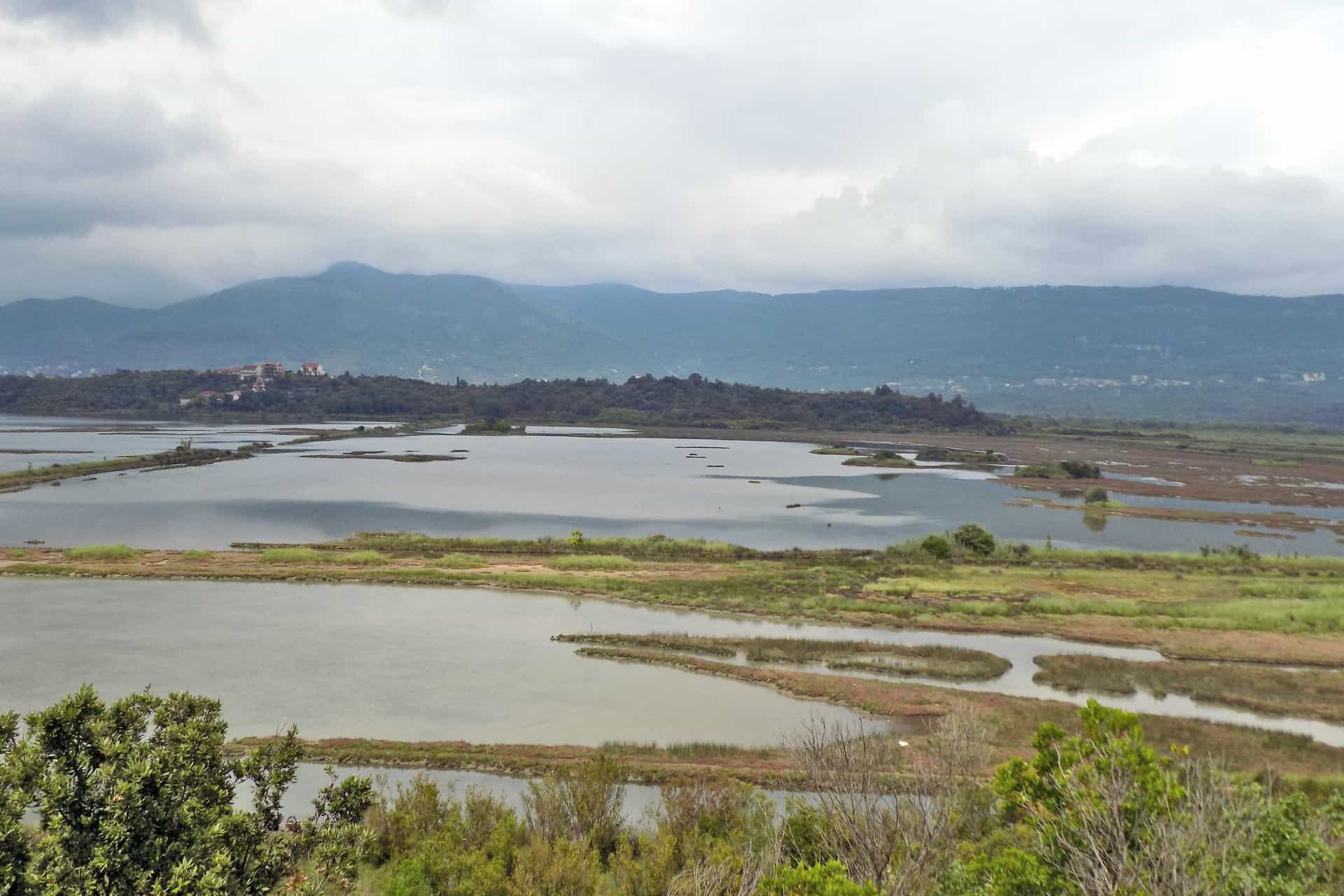
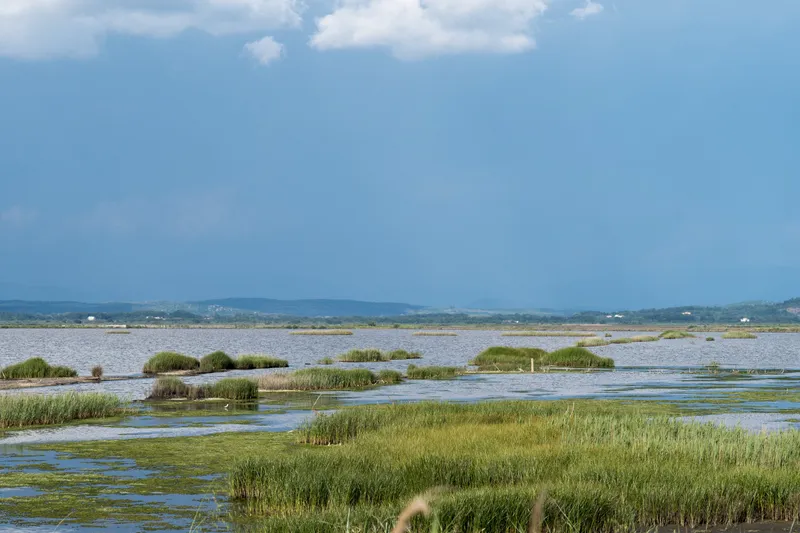
Special nature reserve since 2008 and Ramsar site since 2013: about 150 ha of salt marsh on Krtoli bay opposite Tivat, 185 bird species, free trails and two towers.
Special nature reserve · Tivat
Photo: Milica Buha · CC BY-SA 4.0
Tivatska solila, the Solila, is a special nature reserve of about 150 ha of salt marsh on Krtoli bay, across the water from the centre of Tivat. Protected in 2008 and a Ramsar wetland since 30 January 2013, it is one of the last salt-marsh habitats on the eastern Adriatic coast and a resting place for birds on the Adriatic flyway; 185 bird species have been recorded. Entry is free, and walking and cycling trails with benches lead to two birdwatching towers. The reserve is 6.1 km by road from the centre of Tivat, about 13 minutes by car.
A reserve, not a nature park
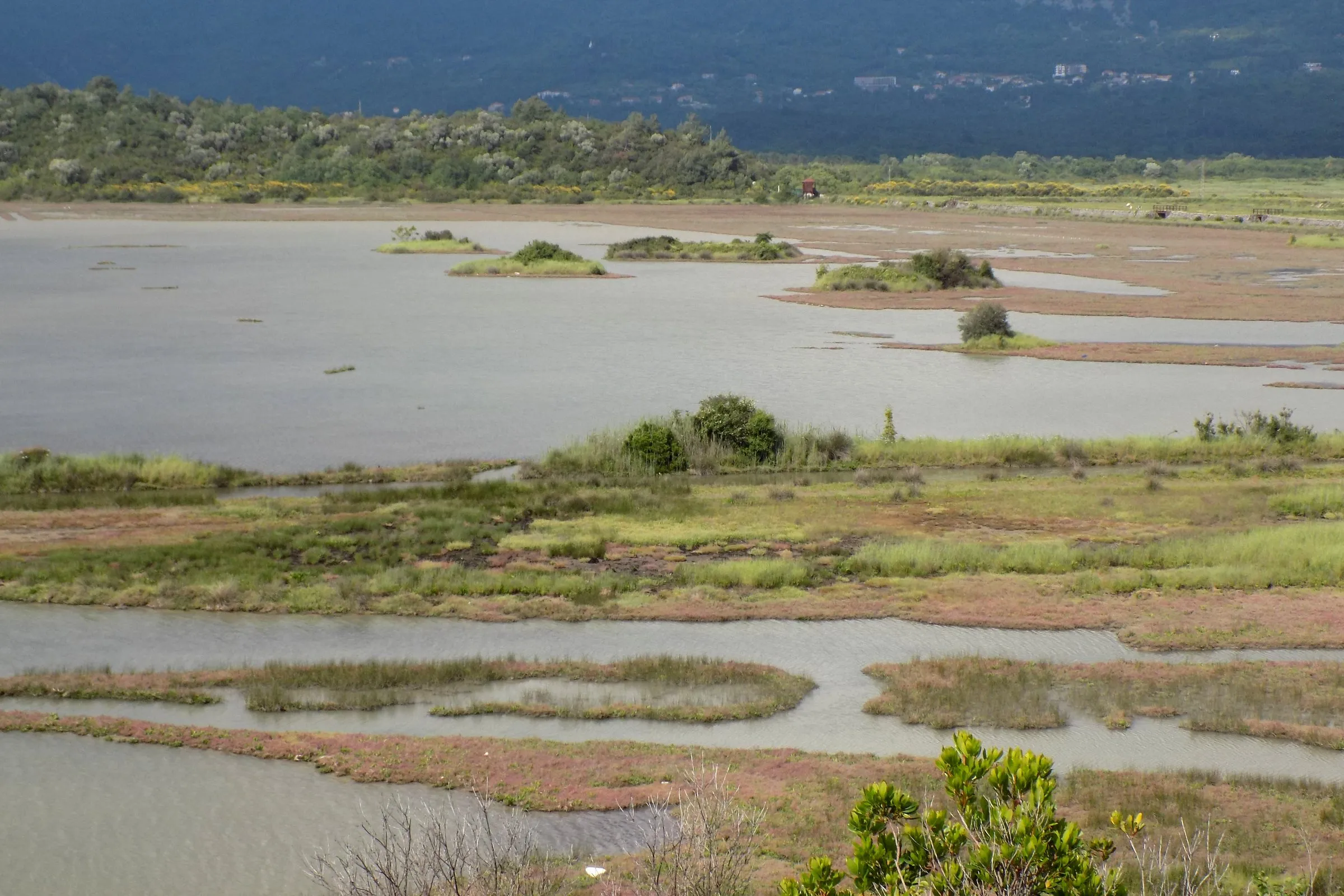
A special nature reserve is a stricter category than a nature park. The Government declares it under the nature protection law, which bans draining, building, walking off the paths, picking plants and anchoring inside it; visits take place on the manager's terms. The Solila was the first protected area of this kind on the Montenegrin coast. JP Morsko dobro, the public enterprise for the coastal zone, has managed it since 2014. It is also an Important Bird Area (since 2009), an Emerald site under the Bern Convention and on the preliminary Natura 2000 list. Ramsar gives the area as 150 ha, the manager as about 140 ha. The site lies between the streams Odoljenštica and Koložun and takes in the underwater site of Jankove vode.
Birds through the year
Waterbirds winter here and rest on their way between northern and eastern Europe and Africa. In the shallow sea in front of the reserve cormorants, grebes, gulls, coots and ducks are common, and waders and herons feed in the shallows; grey herons, great egrets and little egrets stay all summer. In spring and autumn the maquis and open ground fill with small songbirds such as wagtails, wheatears, chats and swallows, and harriers hunt over the marsh. Ramsar names the black-tailed godwit, the Eurasian curlew and the ferruginous duck among the migrants, and the regional population of pygmy cormorants.
In late spring and summer the floors of the old pans dry out and waterbirds thin out; Mediterranean birds such as shrikes, buntings and warblers nest instead. The best months are the migrations, from late February to April and from August to November; the best hours run from half an hour before sunrise to about four hours after it, and again in the late afternoon.
Salt marsh and other wildlife
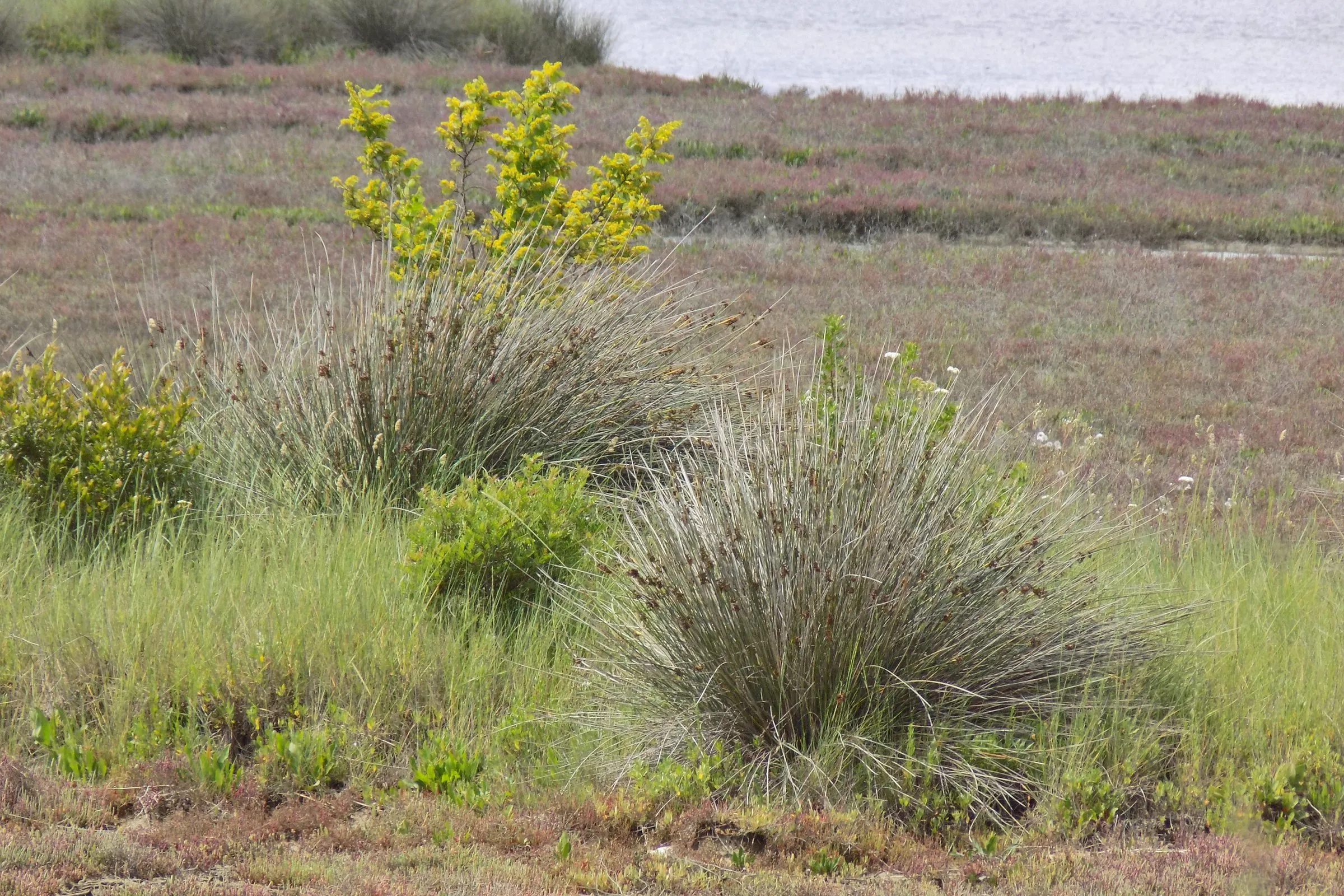
Salt-loving plants (halophytes) are the reserve's main vegetation. Glasswort (Salicornia europaea), which turns deep red in autumn, covers about 78 ha as annual Salicornia vegetation, and Mediterranean salt meadows another 48 ha or so; the rest is dykes, roads, open water and maquis. Around the marsh grow shrubs with cypress, pine and olive, and maquis covers the higher ground, the best place to start watching birds from.
The manager has recorded 37 day-flying butterfly species and at least six bat species. Golden jackals, red squirrels, wildcats, foxes and badgers live in the reserve, and the invasive small Indian mongoose has reached it. The reptiles include the European pond turtle and the European glass lizard, and nearly every reptile found here is protected by law.
Salt and clay: the history
The salt pans first appear in the books of Kotor's notaries in 1333, and a document of 1425 lists 109 of them. Under the Nemanjić rulers Kotor was one of four legal salt markets, and in the 14th and 15th centuries the pans passed between the Kotor commune, the Balšić and Crnojević families and the Metropolitan of Zeta. Under Ottoman rule the Solila brought in about 81 % of the income of Grbalj. Salt making most likely ended in the second half of the 18th century, when Venice banned small salt works to protect its own, and in the 19th century the Tivat-Krtoli road was built on a dyke across the marsh.
A new salt works went up between 1959 and 1963 and harvested salt in only two seasons, 1963 and 1964, before cheaper North African salt ended it; its operations building from 1959 still stands. From 1908 the clay factory Prva bokeška glinena industrija at Trsten dug clay from the old pans, which is why some parts lie lower and hold water; the turning station of its small ropeway, concrete footings and the factory chimney remain. Ramsar also records Hellenistic and Roman pottery found on the site, including fragments of Corinthian cups from the 6th century BC.
Visiting
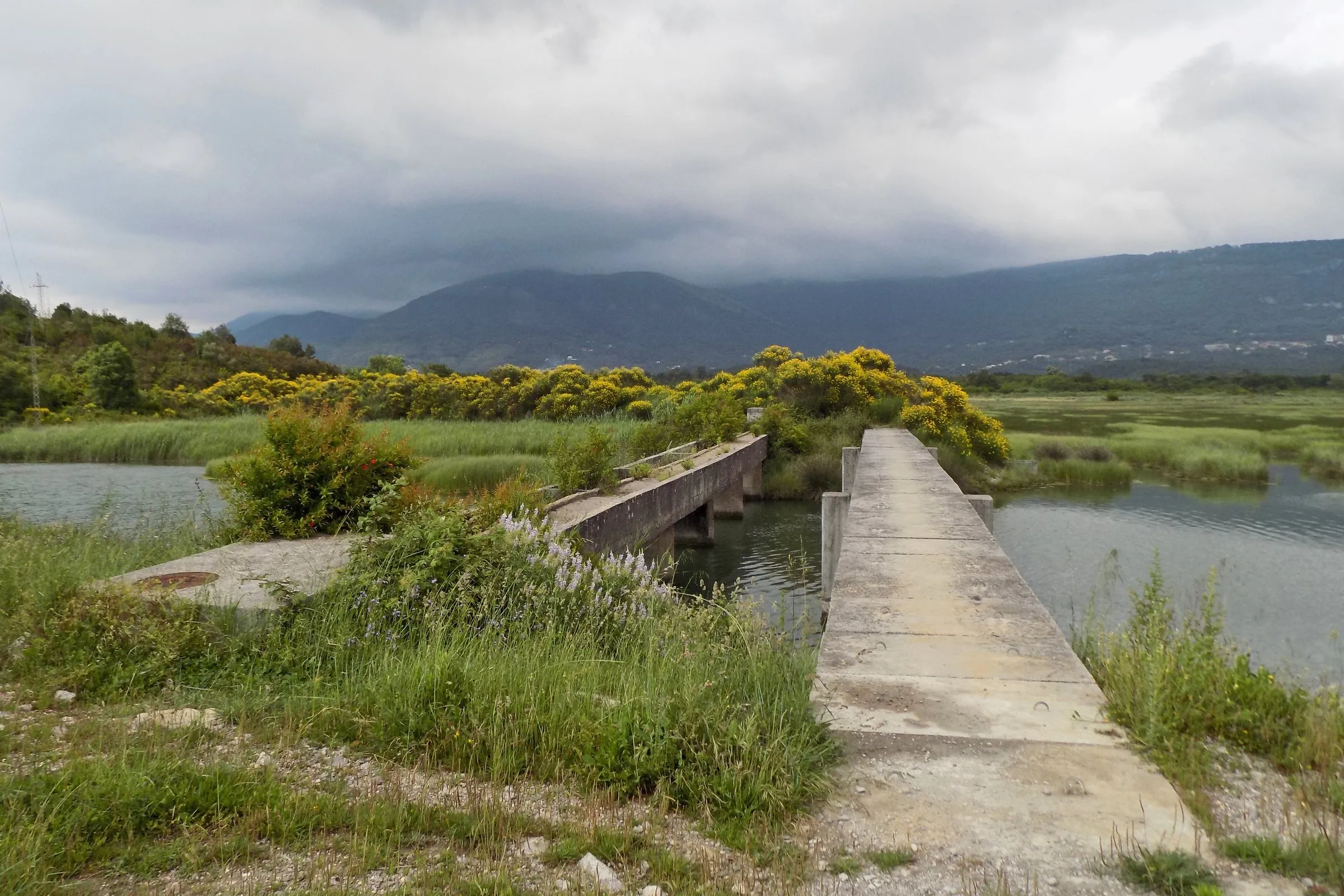
Entry is free. Walking and cycling trails with benches cross the reserve, two towers serve for watching birds, and a viewpoint stands on the road to Krtoli. The manager's map marks the reserve boundary, the footpath, the viewpoint, an information point and the towers. The manager's contact for the reserve is rezervat.prirode.solila@gmail.com.
Getting there
The Solila is on the local road from Tivat towards Radovići. Distances by road to the reserve:
| From | By road | Time by car |
|---|---|---|
| Tivat | 6.1 km | about 13 min |
| Kotor | 10.8 km | about 17 min |
| Budva | 25.1 km | about 33 min |
| Podgorica | 87.4 km | about 1 h 52 min |
Kalardovo is the beach on the same side of the bay. The other coastal wetland is Ulcinj Salina near Ulcinj, a much larger nature park in the far south.
Questions
Is entry to Tivatska solila free?
Yes, entry to the Tivatska solila reserve in Tivat is free, and its trails have benches and two birdwatching towers.
When is the best time for birdwatching at Tivatska solila?
Migration time is best at Tivatska solila, from late February to April and from August to November, in the first hours around sunrise or in the late afternoon.
Is Tivatska solila a nature park?
No, Tivatska solila is a special nature reserve, a stricter category than a nature park, protected since 2008 and a Ramsar site since 2013.
Who manages Tivatska solila?
JP Morsko dobro, the public enterprise for the coastal zone, has managed Tivatska solila since 2014.
How far is Tivatska solila from Tivat?
Tivatska solila is 6.1 km by road from the centre of Tivat, about 13 minutes by car, on the local road towards Radovići.
Closest places


More nature parks
Nearest by road first


Sources
JP Morsko dobro, wetland protected areas: Tivatska solila · JP Morsko dobro, brochure "Posebni rezervat prirode Solila" (PDF) · Ramsar Sites Information Service, annotated list for Montenegro (Tivat Saline, site 2135) · Tourist Organisation Tivat, The Solila · Parks Dinarides, Special Nature Reserve Tivatska Solila · Law on Nature Protection (Sl. list CG 54/16, 18/19), consolidated text · OSRM car routes on OpenStreetMap data (ODbL), times without traffic