Island of Flowers and St Michael's Monastery, Tivat
A tidal island in the bay of Tivat with the working Monastery of St Michael, seat of the Zeta bishopric from 1219, the remains of its medieval basilica, the Holy Trinity Church of 1833 and a beach
Island with a monastery · Tivat bay
The Island of Flowers (Ostrvo cvijeća, Miholjska Prevlaka) is a small island in the bay of Tivat, about 300 m long and 200 m wide, joined to the shore by a neck of land so narrow that the tide can cover it. On it stands the Monastery of St Michael the Archangel: a Christian site since late antiquity, seat of the Zeta bishopric from 1219 and of a metropolitanate from 1346, destroyed in the mid-15th century and a working monastery again since 1997. Visitors come for the monastery, the conserved remains of the great basilica, the Church of the Holy Trinity of 1833 and the island beach. It is 6.1 km (13 minutes by car) from the centre of Tivat and 850 m on foot from Kalardovo beach.
- What An island of about 300 by 200 m with a working Orthodox monastery, the remains of a medieval basilica and a beach
- Dates Christian finds from the 3rd-4th centuries; Zeta bishopric 1219; metropolitanate 1346; destroyed in the mid-15th century; Holy Trinity Church 1833; monastic life renewed 1997
- Name Island of Flowers for its plants, palms and olives; Miholjska Prevlaka after St Michael's monastery
- Where Tivat bay, 6.1 km from Tivat, 10.8 km from Kotor Old Town, 850 m from Kalardovo beach
- Visiting A working monastery: no published hours or rules, check locally; dress as for any monastery
The island
The island is about 300 m long and 200 m wide. A narrow neck of land ties it to the shore, and the tide can cover it, so the place is both island and peninsula. The many plants and flowers, palms and olives gave it the name Island of Flowers; the older name, Miholjska Prevlaka, comes from the monastery of St Michael the Archangel. You can visit the monastery, hear the monks' story or simply swim at the island beach. Kalardovo beach lies next door, 850 m on foot.
Not the other Prevlaka: The Prevlaka peninsula at the entrance to the Bay of Kotor is a different place. This page is about Miholjska Prevlaka near Tivat.
History
The oldest Christian finds on the island date from the 3rd and 4th centuries, and excavations have uncovered church sites and rooms from the 4th to the 15th century. A Benedictine abbey stood here in the early Middle Ages. In 1219 St Sava, with the help of his brother King Stefan the First-Crowned, made it the seat of the Zeta bishopric, and in 1346 it was raised to a metropolitanate. The monastery's scriptorium is known for the Ilovica copy of St Sava's Nomocanon (Zakonopravilo), written in 1262.
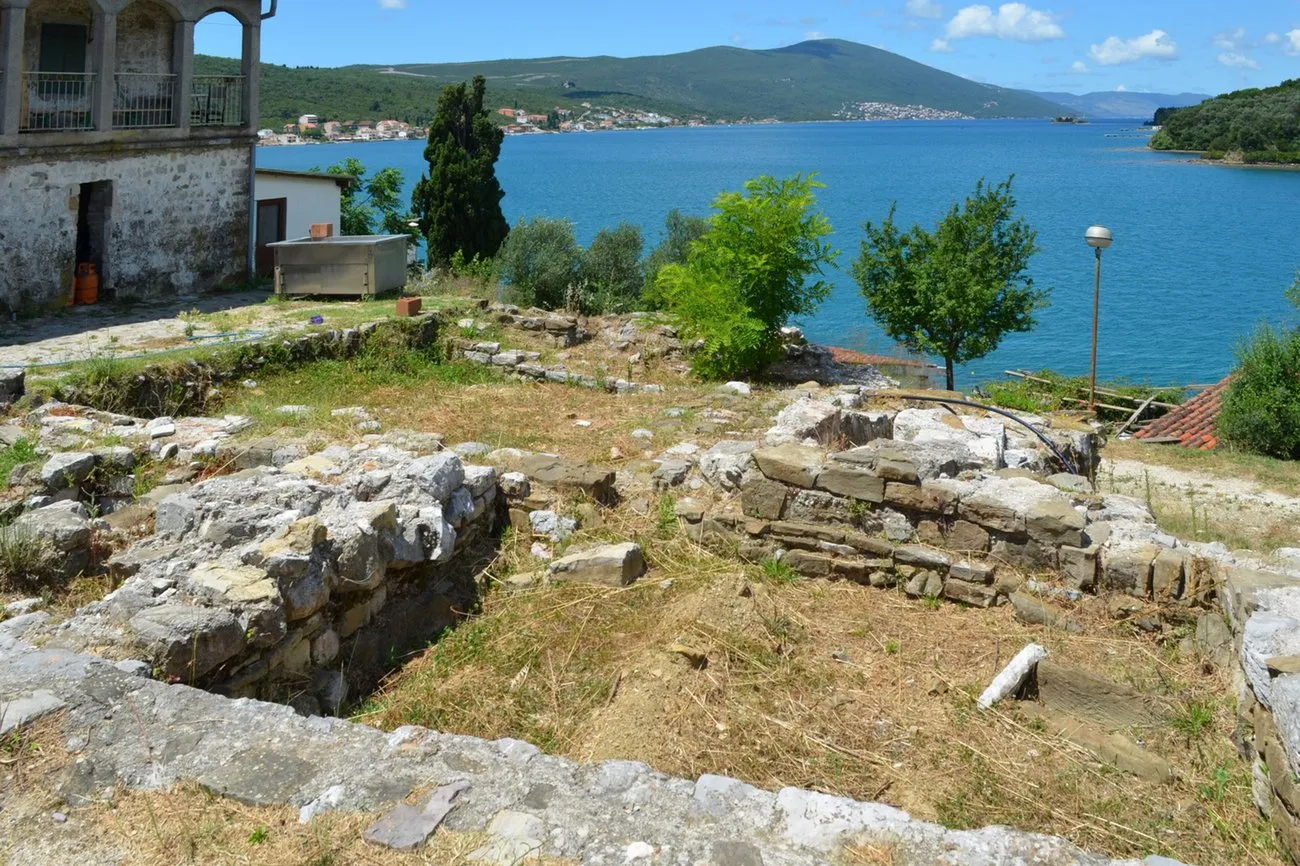
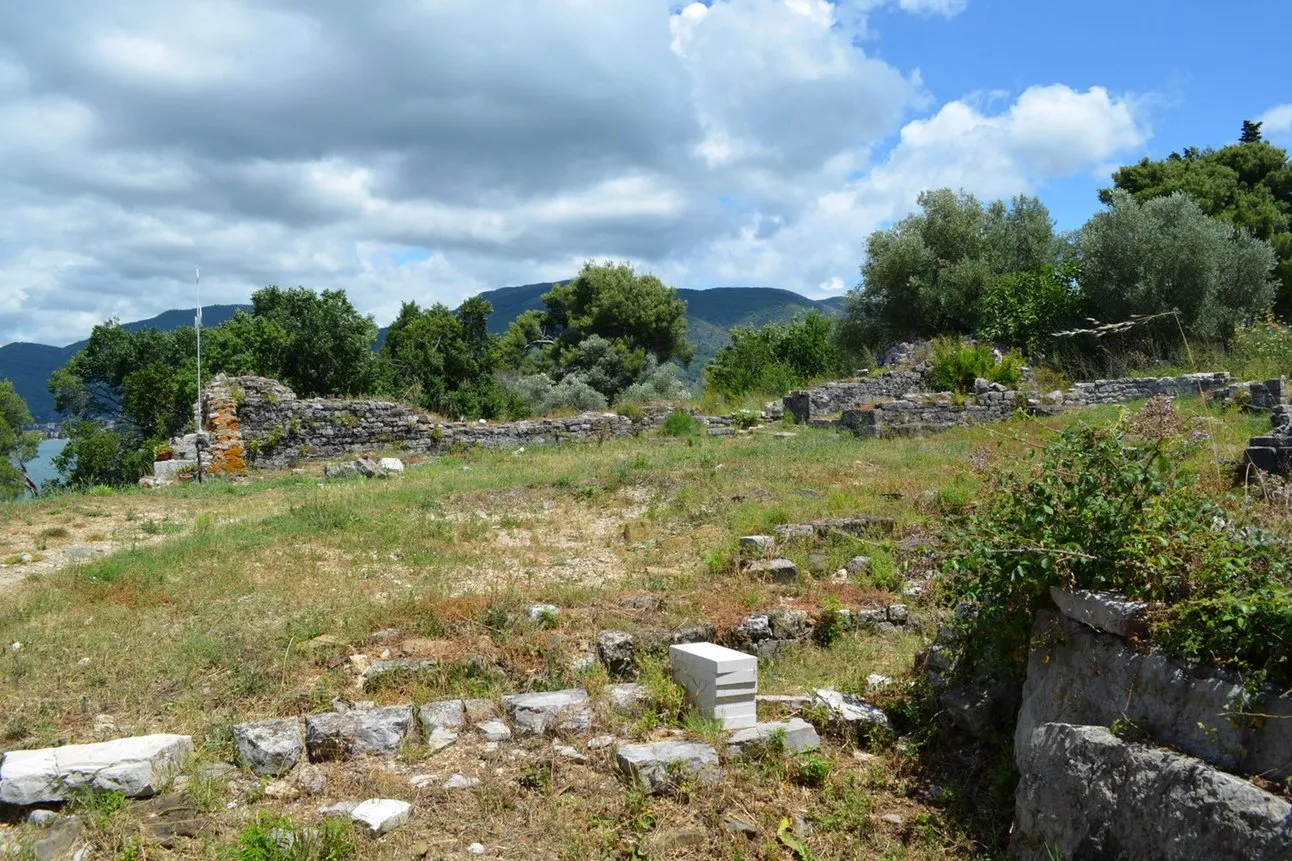
In the mid-15th century the monastery was damaged and the great church of St Michael pulled down; in 1452 the estate passed to Kotor nobles. Excavations showed that the monastery church was a large three-aisled basilica with three apses; its remains are conserved. Beside the present buildings you can see the remains of a 13th-century episcopal church and the foundations of the bishop's residence and the monks' quarters.
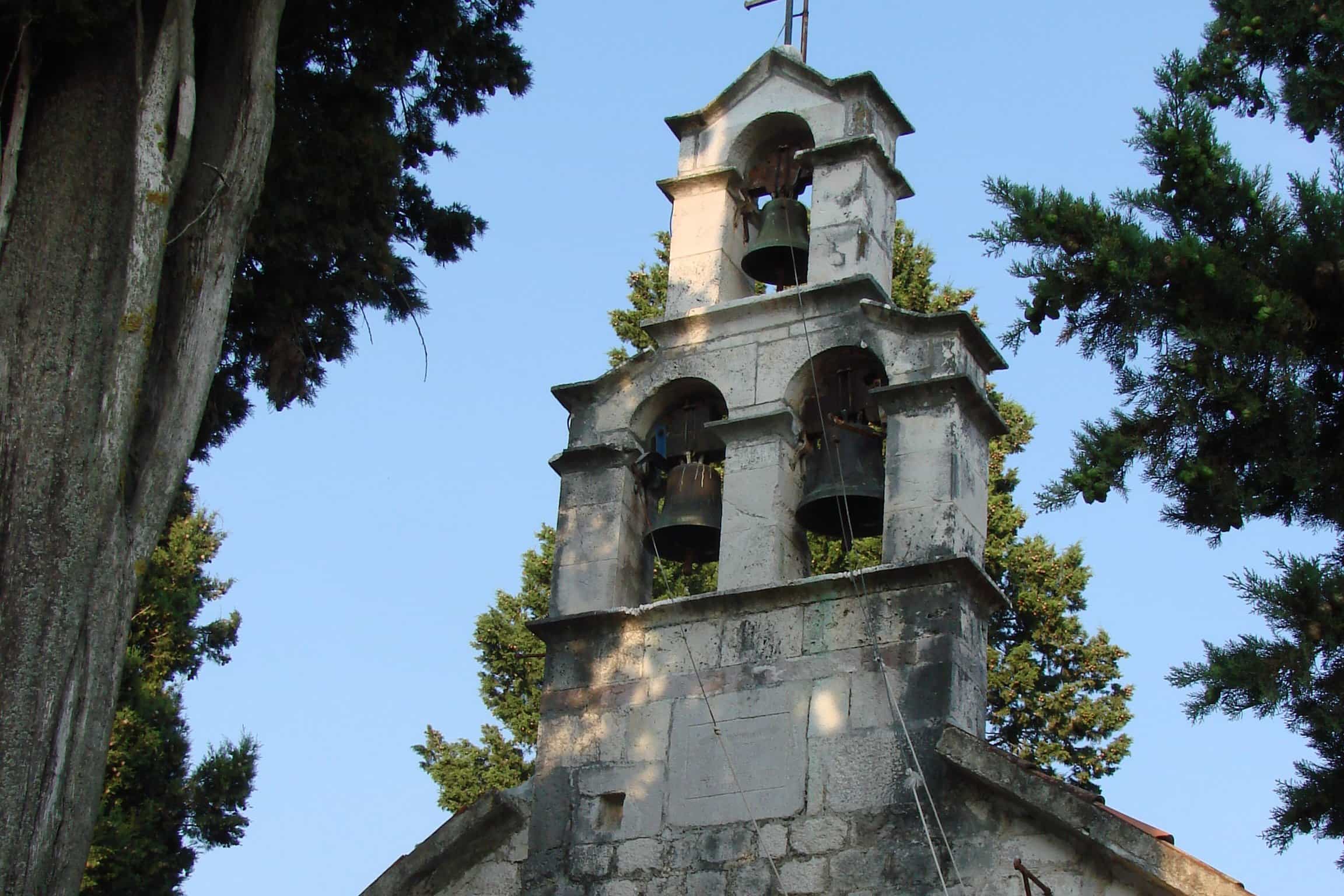
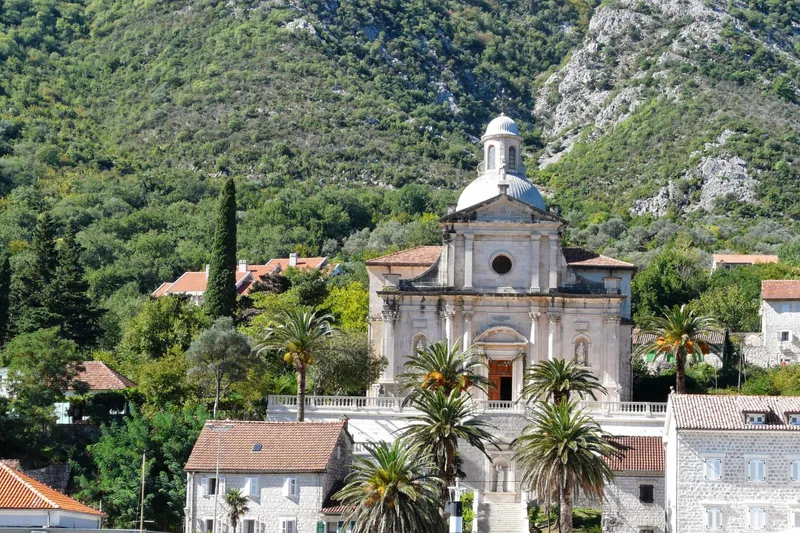
About 50 m from the old basilica stands the Church of the Holy Trinity, built in 1833 as the foundation of Countess Ekaterina Vlastelinović, widow of Count Ilija Vlastelinović, with dressed stone from the ruins: a single nave, a semicircular apse and a bell-cote with three openings. By her will of 1847 the countess left her part of Prevlaka to Prince-Bishop Petar II Petrović Njegoš. Holy Trinity has been a protected cultural good since 1976. Monastic life was renewed with a new residence from 1997; the monks' wing with cells, treasury and cellar was renovated in 2002 and a separate guest house built in 2010.
Visiting
The monastery belongs to the Metropolitanate of Montenegro and the Littoral, has a resident brotherhood and holds services regularly, with Sunday liturgies through the year. Its patronal feast, St Michael's day (Aranđelovdan), falls on 21 November. Opening hours for visitors, entry, dress and photography rules are not published, nor are the times when the basilica remains can be seen: check locally, and dress as for any monastery.
Tip: Combine it with Kalardovo beach, 850 m away, or with the Buća-Luković summer residence in the centre of Tivat, another heritage site of Tivat.
Getting there
From the centre of Tivat the island is 6.1 km and 13 minutes by car, or 5.3 km on foot (about an hour). From Kotor Old Town it is 10.8 km, 17 minutes by car. Kalardovo beach is 850 m away on foot, 10 minutes. Getting to Tivat is covered on the Tivat page.
Nearby
- Kalardovo beach, 850 m, 10 minutes on foot.
- Tivat, 6.1 km, 13 minutes by car.
- Buća-Luković summer residence, in the centre of Tivat.
- Porto Montenegro, the marina in Tivat.
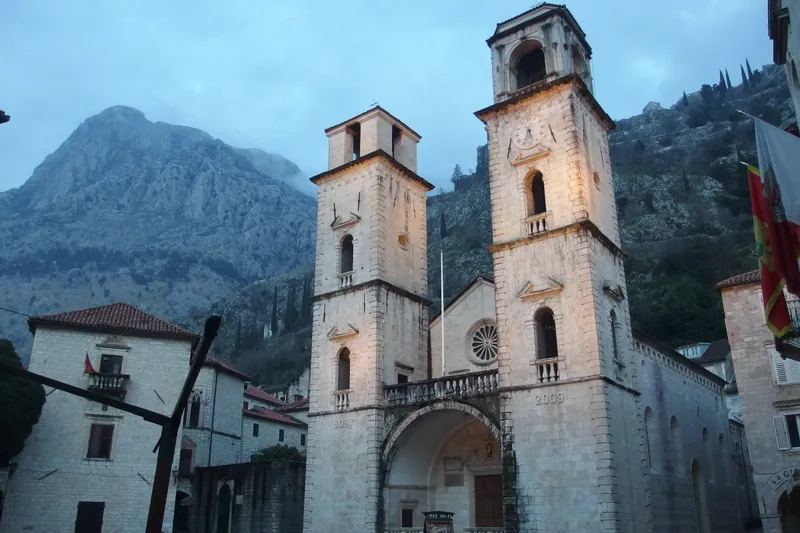
- Cathedral of St Tryphon in Kotor, 10.8 km, whose history is tied to the Prevlaka estate.
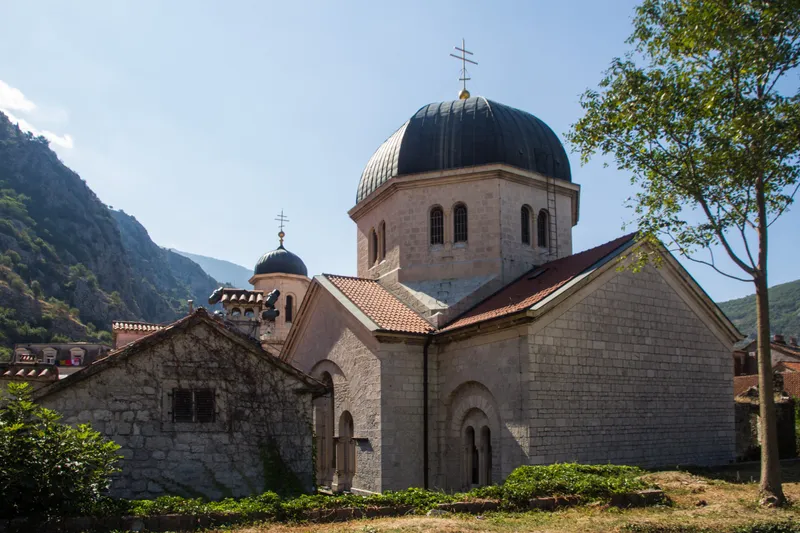
- More churches and monasteries in the churches and monasteries guide.
Questions
Where is the Island of Flowers?
The Island of Flowers (Miholjska Prevlaka) is in the bay of Tivat, 6.1 km from the centre of Tivat and 850 m on foot from Kalardovo beach.
What is on the Island of Flowers?
The Island of Flowers holds the working Monastery of St Michael the Archangel, the conserved remains of its medieval basilica, the Church of the Holy Trinity of 1833 and a beach.
Can you visit the monastery on Miholjska Prevlaka?
The monastery on Miholjska Prevlaka is a working monastery without published visiting hours: check locally and dress as for any monastery.
Timeline
3rd-4th centuries
Late antiquity
The oldest Christian finds on the island; excavations show church sites and rooms from the 4th to the 15th century. A Benedictine abbey stands here in the early Middle Ages.
1219
Zeta bishopric
St Sava, with the help of his brother King Stefan the First-Crowned, makes the monastery the seat of the Zeta bishopric.
1262
The Ilovica Nomocanon
The Ilovica copy of St Sava's Nomocanon (Zakonopravilo) is written in the monastery's scriptorium.
1346
Metropolitanate
The seat is raised to a metropolitanate.
Mid-15th century
Destruction
The monastery is damaged and the great church of St Michael pulled down; in 1452 the estate passes to Kotor nobles.
1833
Holy Trinity Church
Countess Ekaterina Vlastelinović builds the Church of the Holy Trinity with dressed stone from the ruins; by her will of 1847 she leaves her part of Prevlaka to Petar II Petrović Njegoš.
1997
Renewal
Monastic life is renewed with a new residence; the monks' wing is renovated in 2002 and a guest house built in 2010.
Closest places



More churches & monasteries
Nearest by road first


Sources
Tourist Organisation Tivat, Ostrvo cvijeća - Miholjska prevlaka (size 300 by 200 m, tidal neck, name, plants, visiting and swimming, 6th-century date) · Tourist Organisation Tivat, Prevlaka - Island of Flowers (English page) · Tourist Organisation Tivat, Kultura (Benedictine abbey, Zeta bishopric, 1346, 1452 destruction, basilica remains, Holy Trinity 1833 and protection 1976, will of 1847, renewal from 1997) · Metropolitanate of Montenegro and the Littoral, Muški manastiri (3rd-4th-century finds, 1219, Ilovica Nomocanon 1262, 1346, damage 1420 or after 1439, estate 1452, episcopal church remains, works 2002 and 2010, contact) · Metropolitanate of Montenegro and the Littoral, Sunday liturgy at Miholjska Prevlaka, 16 November 2026 (regular services) · OpenStreetMap way 444247196 (island) and way 597921791 (Holy Trinity Church), ODbL · OSRM routing (OpenStreetMap data, ODbL)