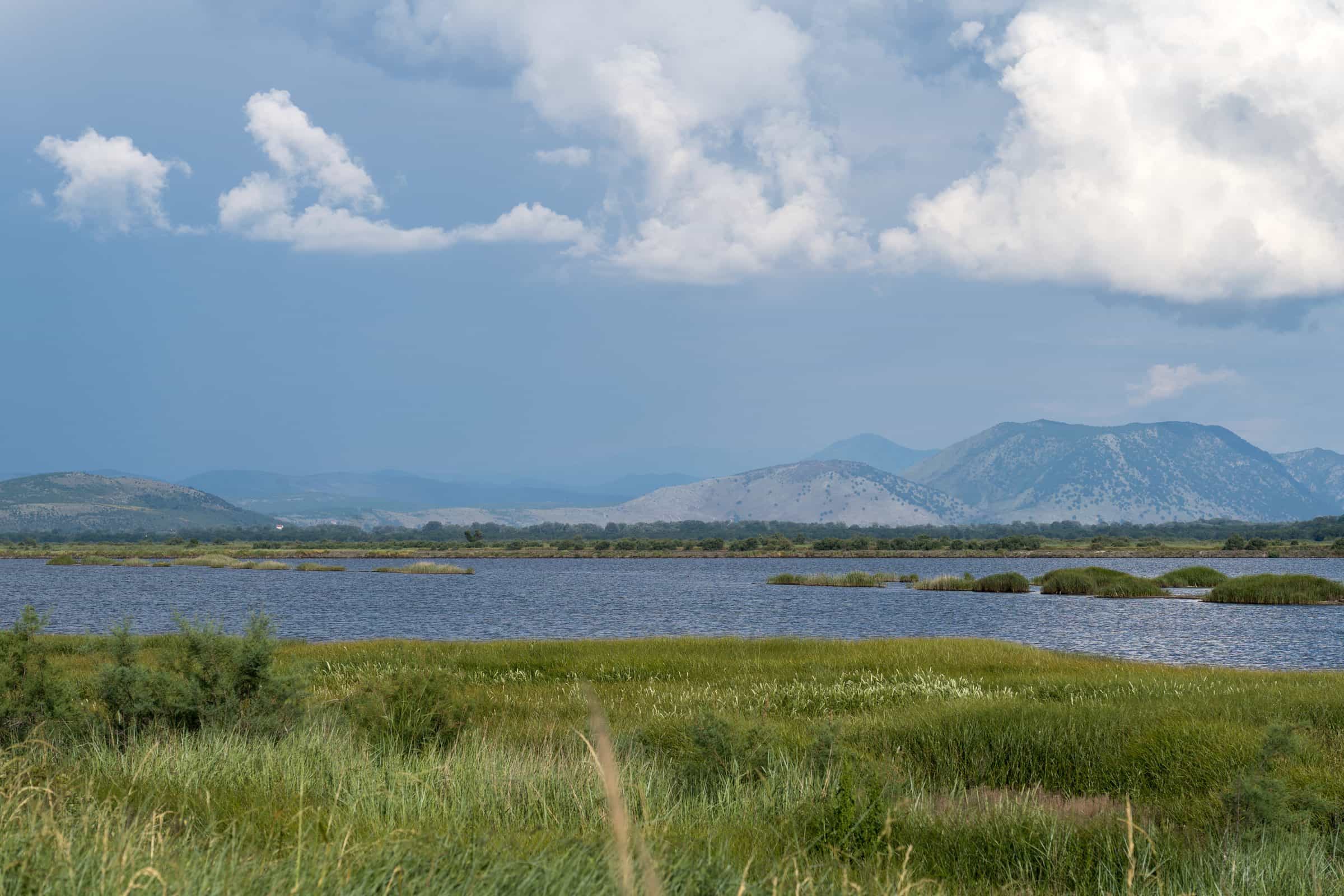
Nature parks and reserves of Montenegro
Photo: Alexkom000 · CC BY 4.0
A nature park (park prirode) is Montenegro's category for a large natural or partly farmed area with high biodiversity and notable landscape and cultural values. It is not the same as the five national parks: a municipality declares a nature park, or the Government when it spans several municipalities or lies at sea, and the act of declaration names the manager. Montenegro has nine nature parks, from the salt pans of Ulcinj Salina and the three marine parks on the coast to Piva, Komovi and Orjen in the mountains, and one special nature reserve, Tivatska solila in Tivat.

All nature parks


The parks at a glance
| Park | Status | Area | Where |
|---|---|---|---|
| Ulcinjska solana | Nature park, 2019 | 1,477 ha | Ulcinj |
| Tivatska solila | Special nature reserve, 2008 | about 150 ha | Tivat |
| Platamuni | Marine nature park, 2021 | 1,087 ha | Trašte bay to Cape Platamuni |
| Katič | Marine nature park, 2021 | 2,745 ha | Cape Skočiđevojka to Maljevik, Petrovac |
| Stari Ulcinj | Marine nature park, 2021 | 929 ha | Karastanov rt to Valdanos |
| Piva | Nature park, 2015 | about 32,500 ha | Plužine |
| Komovi | Nature park, Andrijevica part 2015 | 2,460 ha (Andrijevica part) | Andrijevica, Kolašin, Podgorica |
| Orjen | Nature park, 2018 | 8,797 ha | Herceg Novi |
| Dragišnica i Komarnica | Nature park, 2017 | 2,994 ha | Šavnik |
| Rijeka Zeta | Nature park, 2019 | 11,985 ha | Danilovgrad, Podgorica |
Managers, Ramsar listings and visitor rules are on each park's page.
Nature park, national park and reserve: what is different
A national park is declared by Parliament by law, protects the ecological integrity of one or more ecosystems and is run by the public enterprise Nacionalni parkovi Crne Gore; the Government adopts its management plan. A nature park protects a large natural or partly cultivated area of high biodiversity and landscape value, and anything that threatens its features, values and role is banned inside it. The municipality declares it with the ministry's consent and adopts a five-year management plan; parks that span several municipalities or lie at sea are declared by the Government, and parks in the coastal zone are managed by JP Morsko dobro. A special nature reserve, declared by the Government, is the stricter category: draining, building, walking off the paths, picking plants and anchoring are banned, and visits take place on the manager's terms.
The category "regional park" no longer exists. Since the 2016 nature protection law, regional parks such as Piva and Komovi are registered as nature parks. In 2019 the five nature parks declared by then made up 30.6 % of Montenegro's protected area by surface, and all five had been declared within the previous five years.
On the coast
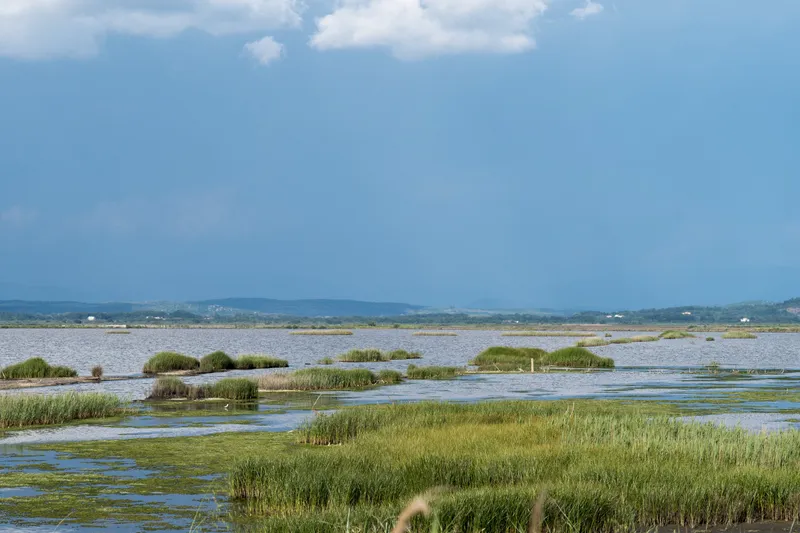
Ulcinj Salina is a former salt works of 1,477 ha in the delta of the Bojana, a nature park and a Ramsar wetland since 2019. About 250 bird species have been recorded, the greater flamingo is the leading species, and in spring and autumn more than 100,000 waterbirds may use the pans in a single day.
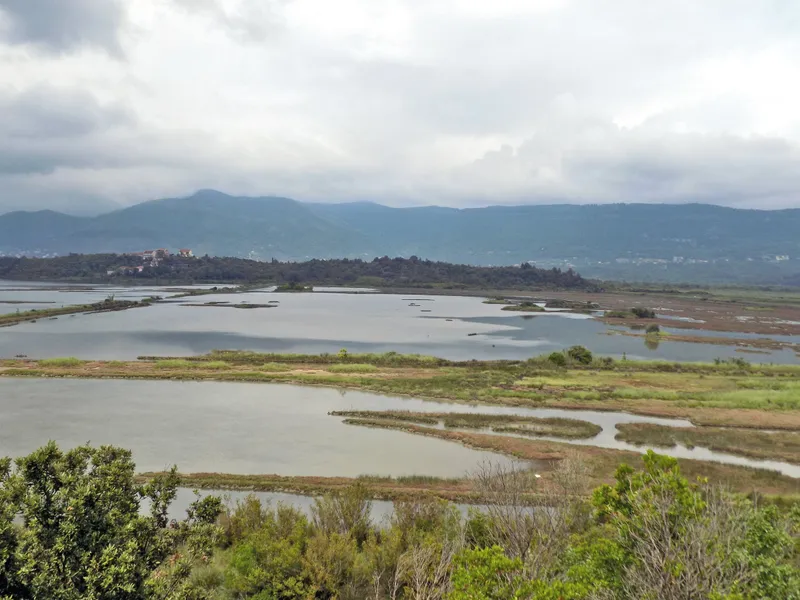
Tivatska solila, about 150 ha of salt marsh on Krtoli bay opposite Tivat, has been a special nature reserve since 2008 and a Ramsar site since 2013. Paths lead to wooden birdwatching towers.
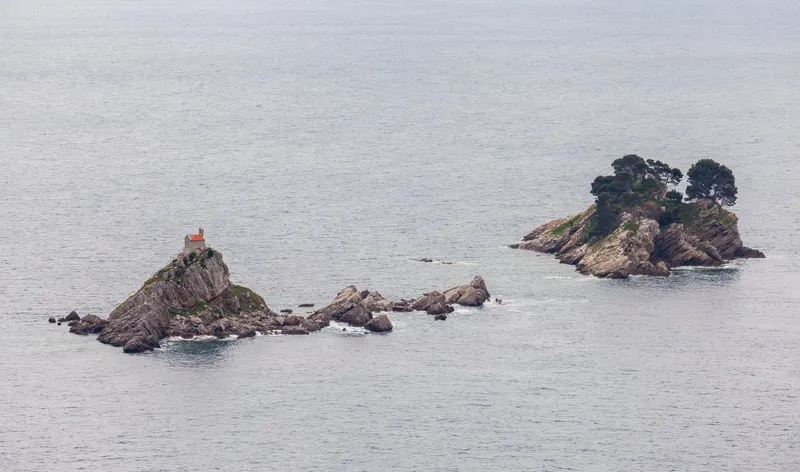
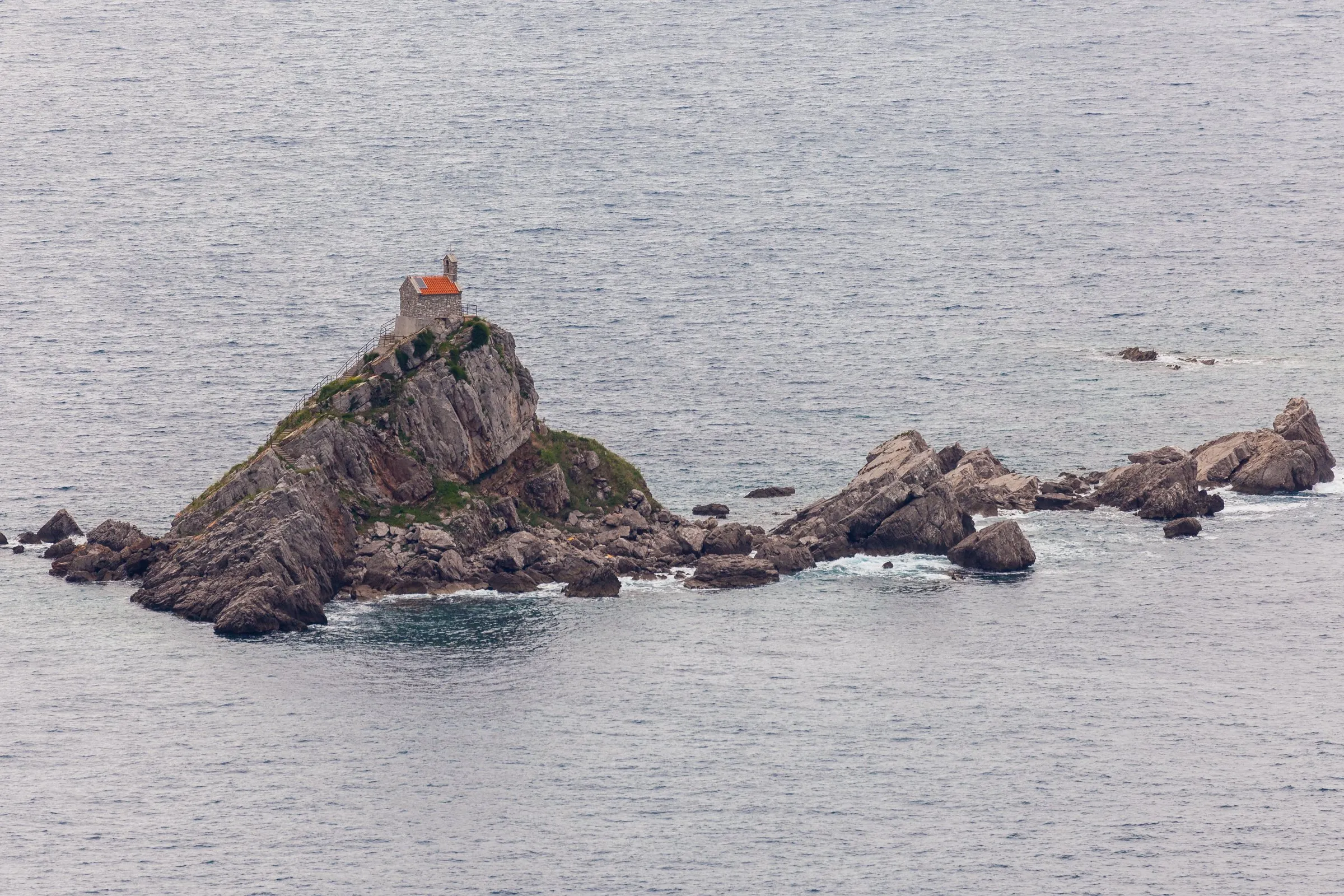
Platamuni, Katič and Stari Ulcinj, declared in 2021, are the first protected areas in Montenegrin sea, 4,761 ha between them. They protect Posidonia seagrass meadows, corals and sea caves; in their zone II areas anchoring is banned and motor boats keep below 10 knots.

In the mountains
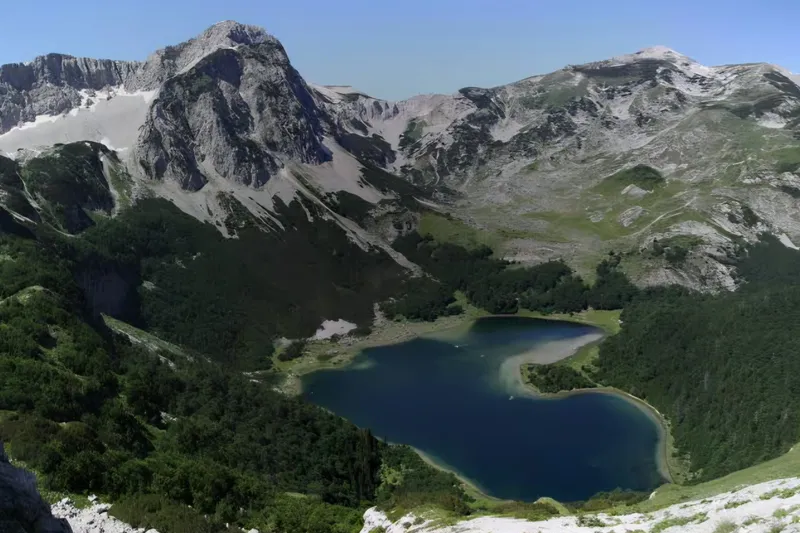
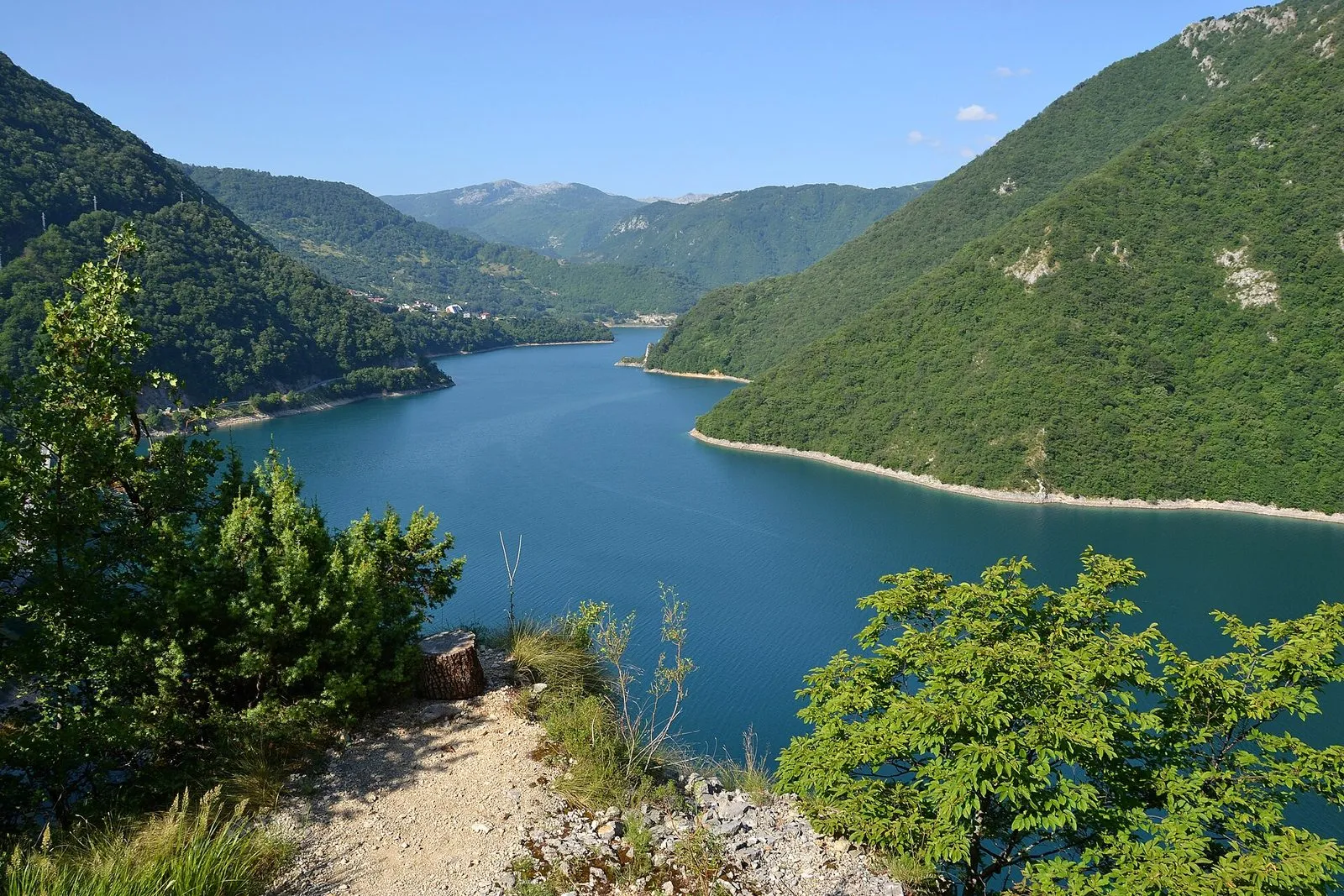
Piva, declared on 22 April 2015 as Montenegro's first regional nature park, covers about 32,500 ha of Plužine municipality and joins Durmitor National Park to Sutjeska National Park in Bosnia and Herzegovina. Inside it are Maglić, Trnovačko jezero, Pivsko jezero and the canyons of the Piva and the Tara.

Komovi is protected in three municipal parts. The Andrijevica part, 2,460 ha, was declared on 21 August 2015 and is managed by the company Park prirode Komovi; its zone II covers the high Komovi and the Mojanska river. The peaks, trails and endemic plants are on the mountain page.
Orjen above Herceg Novi has been a nature park since 2018: 8,797 ha managed by the Agency for the Development and Protection of Orjen, with an information centre and a small garden of endemic plants at Vrbanj. Heldreich's pine grows on its central ridge.
Dragišnica i Komarnica, 2,994 ha in the north-west of Šavnik municipality on the edge of Durmitor National Park, was declared on 20 November 2017. It holds the Nevidio canyon on the Komarnica, the cliffs of Boljske grede and more than 1,000 plant species.
Rijeka Zeta
The Government declared the valley of the Zeta a nature park on 5 December 2019, across Danilovgrad and Podgorica, to protect the river's habitats and native species and to curb its pollution.
The proclamation decision (Sl. list CG 69/2019) sets the area at 119.85 km² (11,985 ha), 80.8% in Danilovgrad and 19.2% in Podgorica, and provides for a management company founded by the two municipalities; the five-year management plan is adopted by the ministry.
Common questions
How many nature parks does Montenegro have?
Montenegro has nine nature parks: Ulcinjska solana, the marine parks Platamuni, Katič and Stari Ulcinj, Piva, Komovi, Orjen, Dragišnica i Komarnica and Rijeka Zeta, plus the special nature reserve Tivatska solila.
What is the difference between a nature park and a national park in Montenegro?
A nature park in Montenegro is declared by a municipality, or by the Government if it spans several municipalities or the sea, and is run by the manager named in that act; a national park is declared by Parliament by law and run by Nacionalni parkovi Crne Gore.
Where can you see flamingos in Montenegro?
Flamingos in Montenegro are the leading bird species of Ulcinj Salina, the nature park in the Bojana delta near Ulcinj.
Which nature parks in Montenegro are in the sea?
Platamuni, Katič and Stari Ulcinj are Montenegro's three marine nature parks, declared in 2021 and managed by JP Morsko dobro.
Is Tivatska solila a nature park?
No, Tivatska solila in Tivat is a special nature reserve, a stricter category, protected since 2008 and a Ramsar site since 2013.
What was the first nature park in Montenegro?
Piva Nature Park in Plužine municipality, declared on 22 April 2015, was Montenegro's first, then called a regional nature park.
Related
Sources
- Law on Nature Protection (Sl. list CG 54/16, 18/19), consolidated text
- Analysis of the vulnerability of protected areas in Montenegro to climate change (Aug 2019), table 1 (PDF)
- Ulcinj municipal assembly, Decision declaring Ulcinjska solana Nature Park, 24 June 2019 (PDF)
- JP Nacionalni parkovi Crne Gore, Management plan for Ulcinjska solana Nature Park 2026-2030, draft (DOCX)
- Ramsar Sites Information Service, annotated list for Montenegro
- JP Morsko dobro, wetland protected areas: Tivatska solila
- JP Morsko dobro, information sheet on the nature parks Platamuni, Katič and Stari Ulcinj (PDF)
- Parks Dinarides, Nature Park Piva
- Parks Dinarides, Nature Park Komovi (Andrijevica)
- Parks Dinarides, Nature Park Orjen
- Agencija za razvoj i zaštitu Orjena, annual report for 2023 (PDF)
- Parks Dinarides, Nature Park Dragišnica and Komarnica
- Government of Montenegro, Zeta River declared a nature park (6 December 2019)
- Odluka o proglašenju Parka prirode "Rijeka Zeta", Sl. list CG 69/2019, reg. no. 1676 (Government session 5 December 2019; Art. 2 area and split, Art. 7 manager, Art. 8 management plan; full text also at auzp.me/wp-content/uploads/2021/09/Odluka-o-proglasenju-Parka-prirode-_Rijeka.pdf)
- Montenegro For Travellers: Tivatska solila (wooden birdwatching towers)