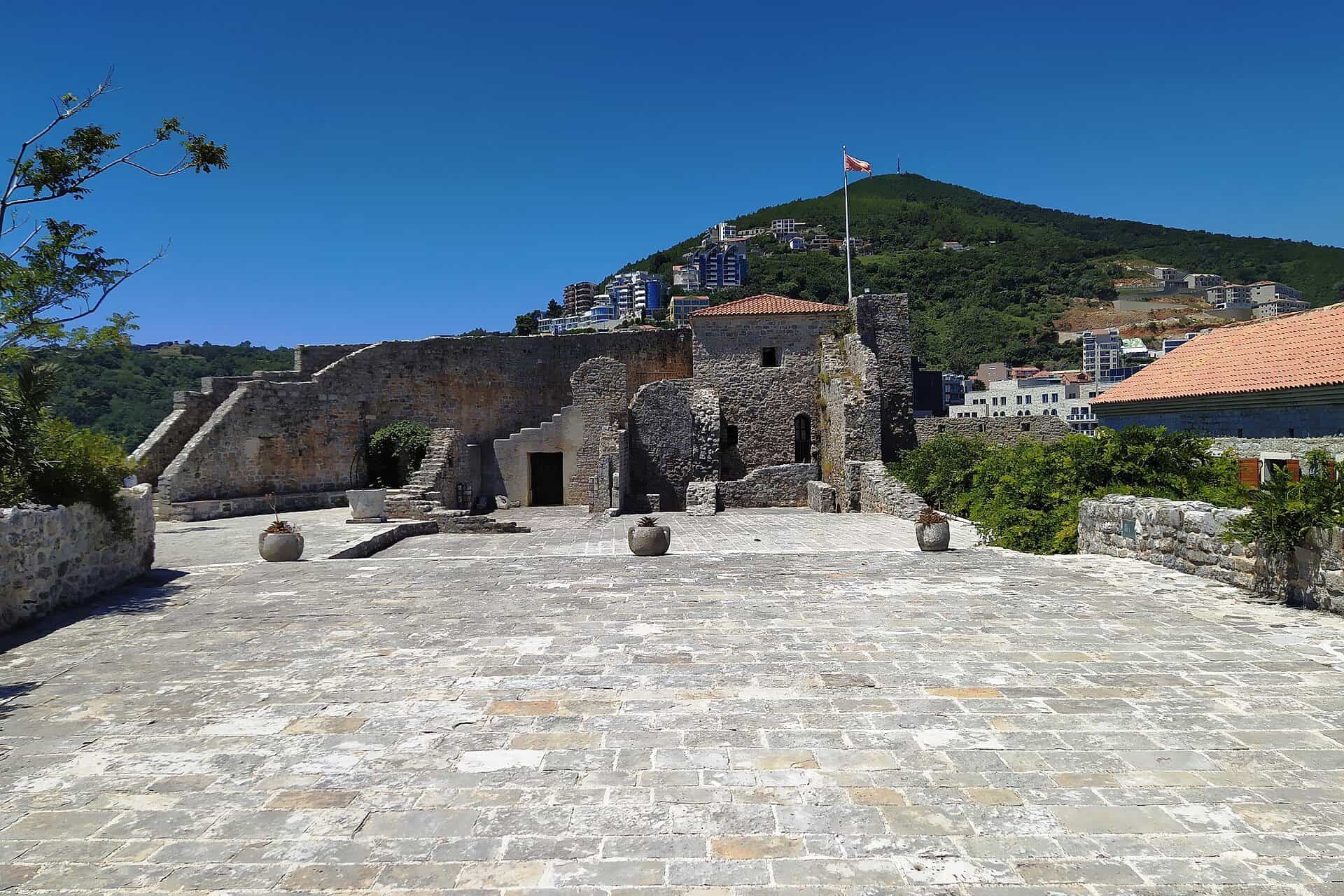
Budva Citadel
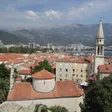
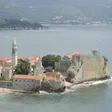
The Kaštel on the highest point of Budva Old Town, first recorded in 1425, rebuilt as an Austro-Hungarian garrison, now a museum with the view over the town
Town fortress · Southern
Photo: Radosław Botev · CC BY 3.0 pl
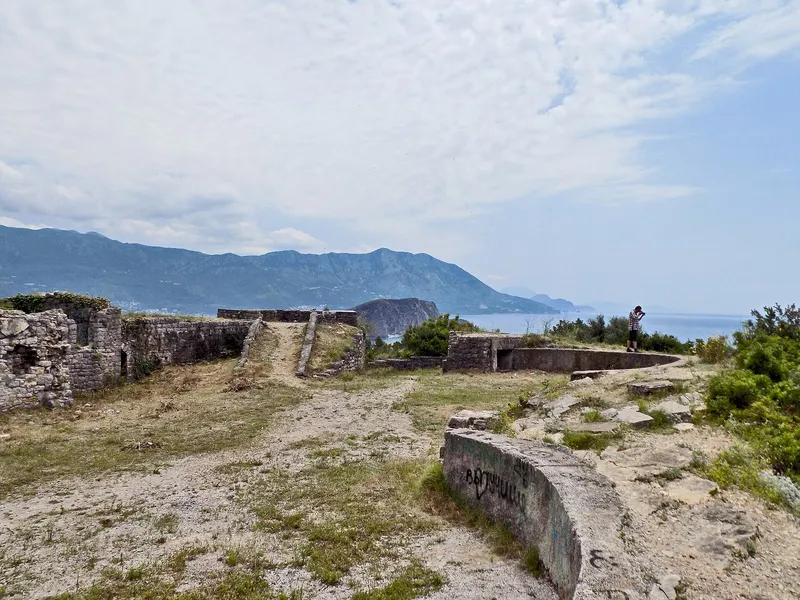
The Citadel (Citadela, or Kaštel) is the town fortress on the highest point of Budva Old Town, at its southern, seaward end, where the town walls begin and end. First recorded in 1425 and reshaped by Austria-Hungary in the 19th century into the barracks fortification you walk through today, it is now a privately run site with a small museum, a library of rare books and the best view over the Old Town and the bay. Entry costs EUR 5; residents of Budva enter free with a Budva ID card. The town walls are a separate visit with their own ticket.
Tickets and the walls
| Visit | Ticket |
|---|---|
| Citadel | EUR 5; free for Budva residents with a Budva ID card |
| Town walls (bedemi), run by the municipal museums, daily 10:00-20:00 from April to November | EUR 2, brochure included |
The two visits do not share a ticket. The walls walk follows the ramparts; the Citadel is the visit with the museum rooms and the terrace above the sea.

What to see
- The terrace and the view over the roofs of the Old Town and the bay.
- Remains of Santa Maria de Castello, a small single-nave church with a semicircular apse from the 12th-14th century, demolished when the fortress was rebuilt in the 19th century; its foundations are inside the Citadel.
- The Austro-Hungarian barracks: a well, living quarters and military rooms, passages and ammunition stores from the time the Citadel was a garrison.
- The library and museum, a collection of rare books and a small display on the town's history.

History
Budva has been inhabited for more than 2,500 years, and its earliest walls were probably early Byzantine work of the 6th-9th centuries. The fortress on the southern point enters the written record in 1425. For a time it housed the metropolitan of Zeta after the see moved from Prevlaka. The medieval fortress survives only in part: the north tower and the north-east walls.
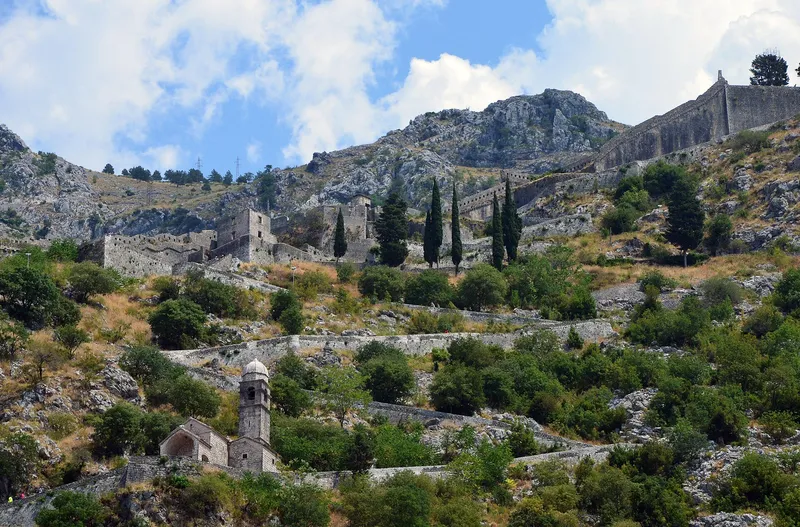
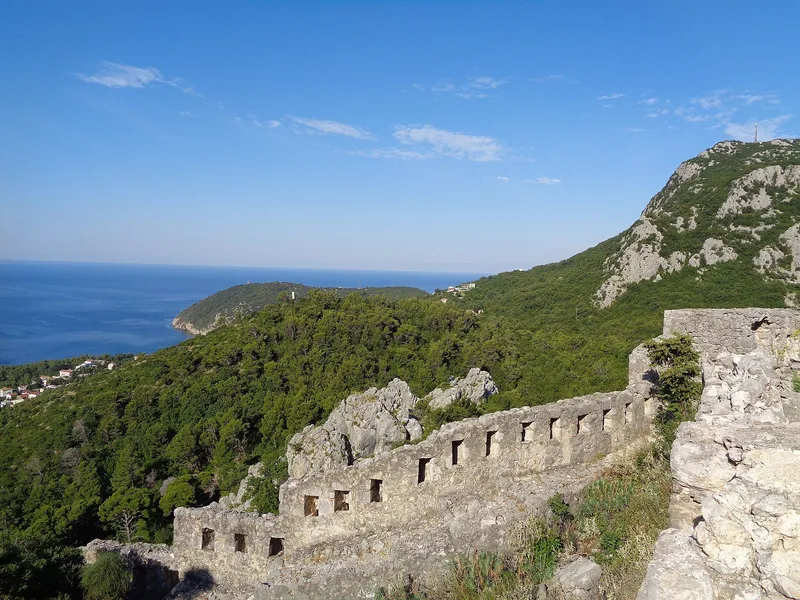
The town walls as they stand are largely Venetian. Their present line was completed in 1459 under the rector Nikola Memo, and the Gradenigo bastion followed in 1498; the three towers are Repeno in the north-east, Gradenigo in the north-west and Murava in the south. The earthquakes of 1667 and 1979 both damaged them. In the 19th century Austria-Hungary turned the Citadel into a garrison fortification, demolishing the little church of Santa Maria de Castello in the process; most of what a visitor sees today dates from that rebuilding. The Citadel stayed in state ownership for a long time and served as a stage of the Grad teatar festival before passing into private hands.

Getting there
The Old Town is pedestrian; the Citadel is at its far, southern end, about 1.5 km (20 minutes) on foot from the centre of Budva, and the nearest car parks are outside the walls. Drive times without traffic: Kotor 23.6 km, about 33 minutes; Tivat 25.3 km, about 35 minutes; Petrovac 19.1 km, about 34 minutes; Podgorica 64.8 km, about 1 hour 25 minutes.
Nearby
- Budva Old Town and its walls.
- Budva town museum, inside the Old Town.
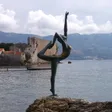
- The Dancer (Balerina), on the rocks between the Old Town and Mogren.
- Ričardova glava beach under the walls and Mogren beach along the coastal path.
- Mogren fortress on Spas hill, west of the Old Town.
History
6th-9th century
Earliest walls
Budva's first walls were probably early Byzantine; the town itself is more than 2,500 years old.
12th-14th century
Santa Maria de Castello
The small single-nave church inside the fortress, later demolished in the 19th-century rebuilding.
1425
First record of the Kaštel
The town fortress enters the written record; for a time it houses the metropolitan of Zeta after the see moves from Prevlaka.
1459 and 1498
Venetian walls
The present line of the town walls is completed under rector Nikola Memo; the Gradenigo bastion follows in 1498.
19th century
Austro-Hungarian garrison
The Citadel is rebuilt as a garrison fortification with a well, quarters, passages and ammunition stores; the church is demolished.
1667 and 1979
Earthquakes
Both earthquakes damage the town walls.
Today
Private museum
After long state ownership and use as a Grad teatar stage, the Citadel is privately run with a museum and a library of rare books.
On these trips
- 3 days in Montenegro: Kotor, Lovćen, BudvaDay 3 · Lovćen serpentines, Njeguši, the mausoleum, Cetinje and Budva
- 7 days in Montenegro: coast to Durmitor loopDay 3 · Lovćen serpentines, Njeguši, the mausoleum, Cetinje and Budva
- Day trips from Kotor: 7 trips with drive timesTrip 5 · Budva Old Town, Mogren and Sveti Stefan
- 10 days in Montenegro: the full loop by carDay 3 · Lovćen serpentines, Njeguši, the mausoleum, Cetinje and Budva
Sources
Budva Tourist Organisation, Citadela · JU Muzeji i galerije Budve, Bedemi grada Budve (walls, towers, hours and ticket) · JU Muzeji i galerije Budve, Bedemi grada Budve otvoreni za posjetu (1459, Gradenigo 1498) · JU Muzeji i galerije Budve, Ostaci crkve Santa Maria de Kastelo · RTV Budva, 17 Mar 2025, Sa budvanskom ličnom kartom besplatan obilazak Citadele (ticket, surviving medieval parts) · National Tourism Organisation of Montenegro, Fortresses · OpenStreetMap way 161896444, Citadela, ODbL · OSRM routing (car and foot, OpenStreetMap data, ODbL; times without traffic)