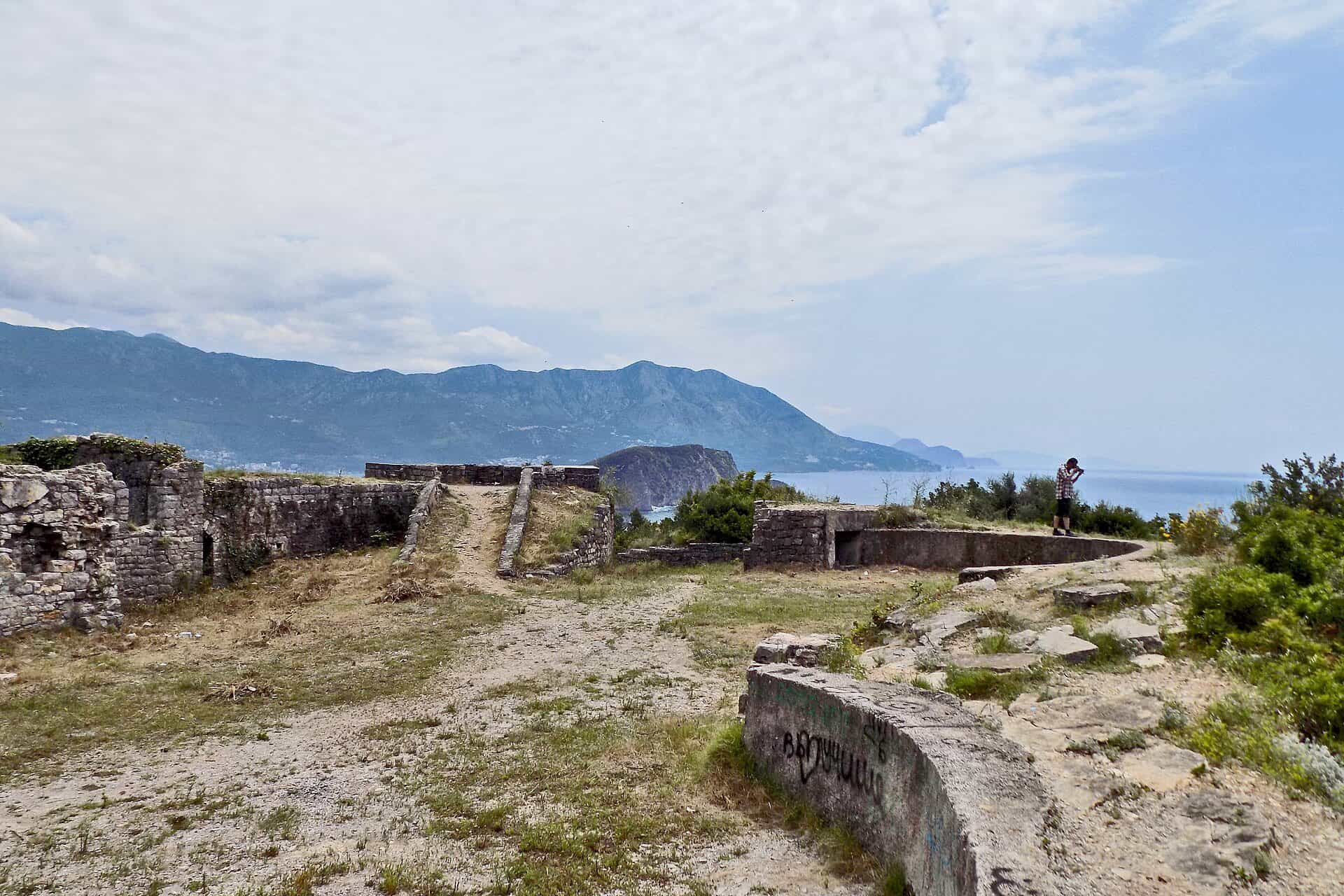
Mogren fortress
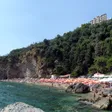
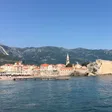
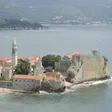
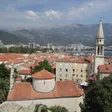
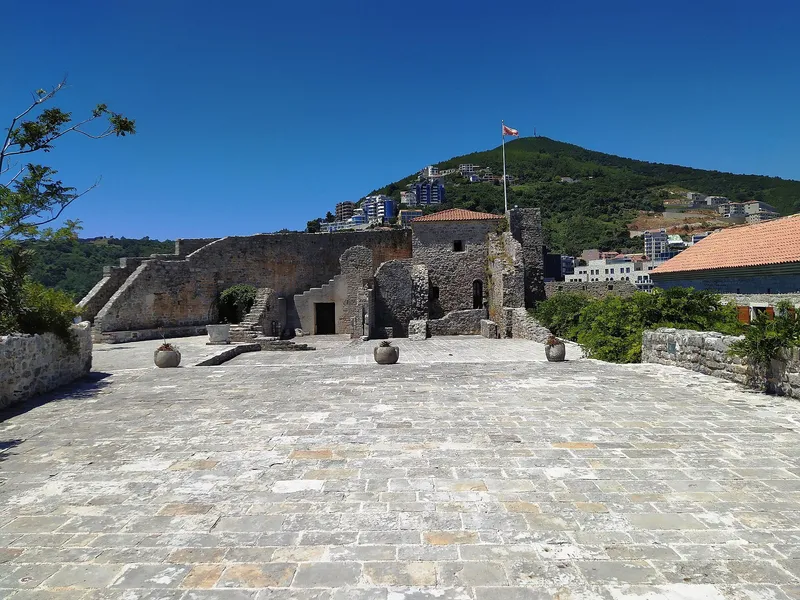
Austrian barracks of 1860 on Spas hill above Mogren beach, a ruin with a view of the open sea and Budva bay
19th-century military fortress · Built 1860 · Slope of Spas hill
Photo: Milica buha · CC BY-SA 4.0
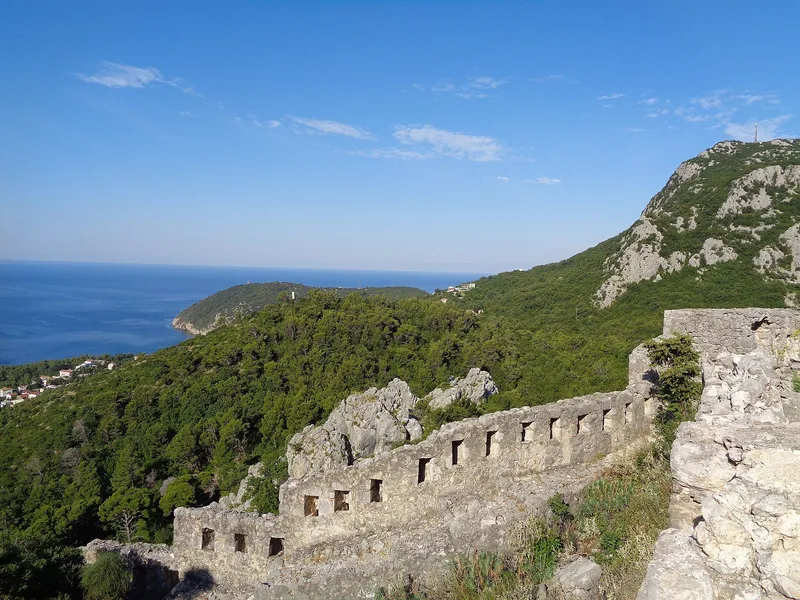
Mogren fortress is the ruined Austrian fort on the slope of Spas hill, west of Budva Old Town and directly above the second Mogren beach. It was built in 1860 as a barracks and strongpoint for Austrian troops, and it looks out over the open sea and the whole bay of Budva. Of the three fortresses in the municipality (15th-century Đurđevac, 19th-century Kosmač and Mogren) it is the one nearest the town, and it is visited less for its walls than for the view from them.

Getting there
The fort is 2.6 km from the centre of Budva, about 5 minutes by car or half an hour on foot. Walkers take the coastal path from the Old Town past the Dancer statue to the two Mogren beaches; the fort is on the hillside above the second beach. The path is unsafe in a south wind (jugo) and heavy seas and is best avoided then. By car, Tivat Airport is 20 km and about 24 minutes away and Kotor 21.1 km and about 27 minutes. The times are free-flow driving times.
What to see
- The walls of the 1860 fort, with loopholes facing the bay of Budva; of the buildings, only parts remain.
- The view: the open sea in front, Budva bay and the Old Town to the east, with the island of Sveti Nikola closing the bay.
- The Mogren beaches below, two coves joined by a short tunnel through the rock.

History
Mogren was built in 1860 as a barracks and strongpoint for Austrian troops. It was remodelled once, in 1882, and served in both world wars; in the Second its tunnels held ammunition and weapons. The earthquake of 15 April 1979, which wrecked much of the Old Town, damaged Mogren heavily, and unlike the town walls it was never restored. Much of the fort has fallen, and only parts of its buildings stand. The fort itself is not a protected monument; Spas hill around it is protected as a natural monument.
Visiting
The ruin stands in the open on the hillside. The way up is rough and the area around it overgrown, so wear proper shoes, keep children close and do not climb on the crumbling masonry.

Nearby
- Mogren beach, the two coves directly below.
- The Dancer (Balerina), the statue on the rocks along the path.
- Budva Citadel and the Old Town walls.
- Other fortresses in Montenegro, including Kosmač and Đurđevac in the same municipality.
Questions
Who built Mogren fortress and when?
Austrian troops, in 1860, as a barracks and strongpoint above the Mogren beaches.
What is left of the fortress?
Parts of the buildings and the walls, with loopholes facing the bay. The 1979 earthquake damaged it heavily and it was never restored.
Is the path from the Old Town safe?
In calm weather yes. In a south wind and heavy seas the coastal path to the Mogren beaches is unsafe and should be avoided.
History
1860
Austrian barracks
Built as a barracks and strongpoint for Austrian troops on the slope of Spas hill, one of three fortresses in the Budva municipality with 15th-century Đurđevac and 19th-century Kosmač.
1882
Remodelled
The fortress was remodelled once.
1979
Earthquake
Heavily damaged in the earthquake of 15 April 1979 and never restored.
Sources
JU Muzeji i galerije Budve, Tvrđava Mogren · JU Muzeji i galerije Budve, Tvrđave na teritoriji opštine Budva · Budva Tourist Organisation, Mogren beach (path unsafe in south wind and heavy seas) · Wikipedia (sr), Tvrđava Mogren (secondary: 1882 remodelling, use in the world wars, 1979 damage, not protected, Spas hill a natural monument) · Primorski portal, Tvrđava Mogren vidikovac (secondary: reconstruction plans) · OSRM routing (car and foot, OpenStreetMap data, ODbL; times without traffic)