Church of St Luke
Church of 1195 in Kotor Old Town, Romanesque and Byzantine, with Catholic and Orthodox altars side by side for 160 years
Orthodox church · Trg Svetog Luke
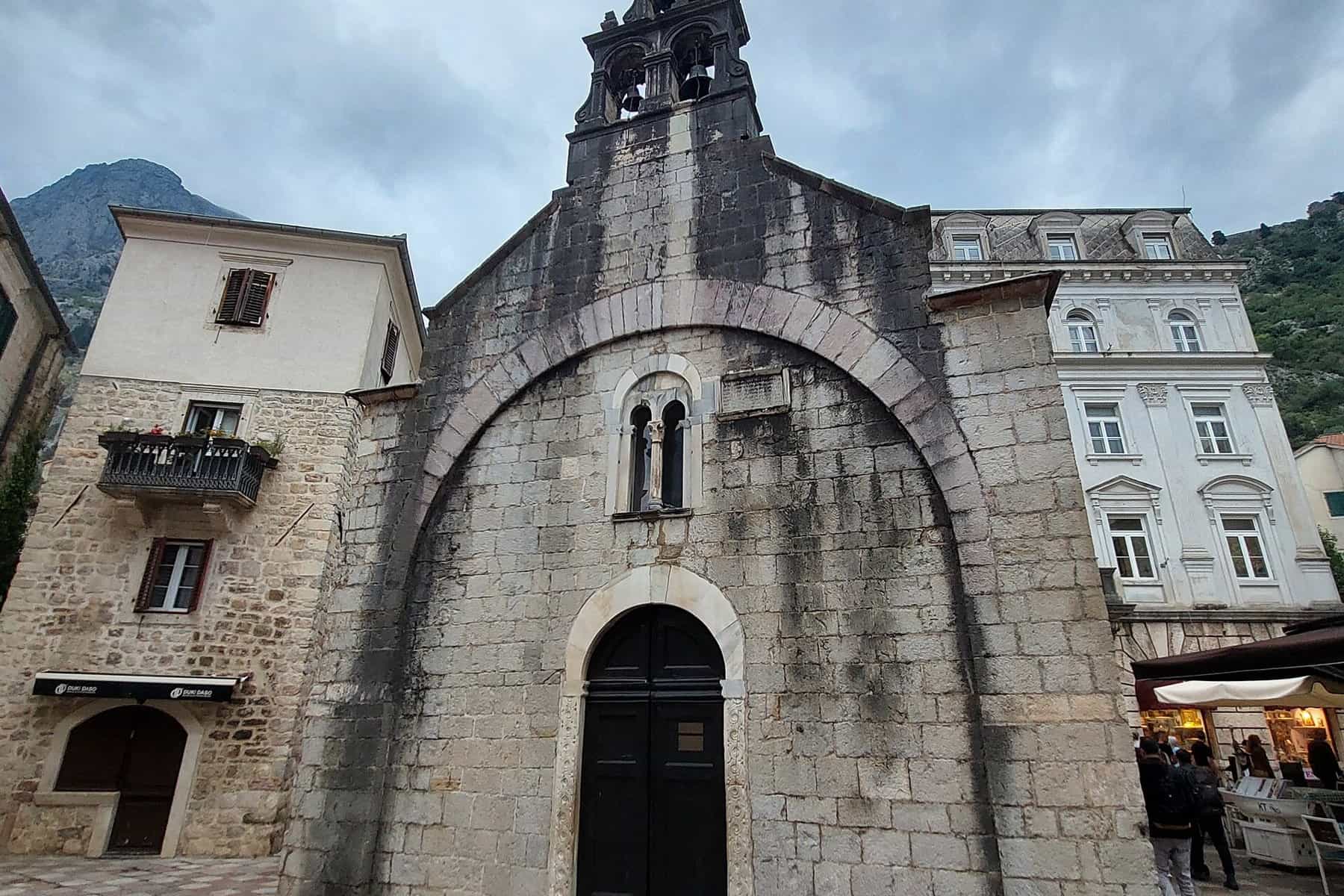
Photo: Jaba1977 · CC BY-SA 4.0
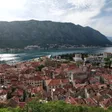
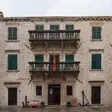
The Church of St Luke (Crkva Svetog Luke) is the small domed church on the square of the same name in Kotor Old Town, inside the UNESCO-listed Kotor region. A marble plaque in its west facade dates it to 1195 and names its founders, Mavro Kazafranka and his wife Bona, in the time of Grand Župan Nemanja and his son Vukan. It is a single-nave church with a dome, mixing Romanesque and Byzantine traditions, and for about 160 years, from the mid-17th century to 1810, it held a Catholic and an Orthodox altar side by side. Today it is an Orthodox church with regular services, and the church of Kotor where the town's two rites once shared one building.
Visiting
St Luke's is a working parish church of the Serbian Orthodox Church Municipality of Kotor, with services held regularly. As in any working church, dress modestly, keep quiet and to the back during a service, and ask before photographing. The church is on Trg Svetog Luke, a few minutes from the Sea Gate on foot through the pedestrian Old Town.

What to see
- The founders' plaque of 1195 in the west facade, the reason the church's date is known to the year.
- The surviving fresco on the south wall: St Sylvester with two martyrs, probably St Barbara and St Catherine, the only group left of the medieval painting.
- The iconostasis, with icons of the 16th-18th centuries, most of them from the Dimitrijević-Rafailović school; the chapel iconostasis is 18th-century Italo-Cretan work.
- The Chapel of St Spyridon on the north side, the 14th-century sacristy turned into a chapel in the 18th century.
- Seventeen numbered tombs in the floor. During a 17th-century siege many of the town's dead were buried here.
- Relics of St Luke, the Holy Five Martyrs and St Barbara.
Architecture
The church is a single nave of three bays with a semicircular apse on the east and a dome over the middle bay. Its style mixes Romanesque and Byzantine traditions. A sacristy was added on the north in the 14th century and became the Chapel of St Spyridon in the 18th; the three-opening bell gable on the facade is 17th or 18th century. The church came through Kotor's earthquakes with little damage, was thoroughly restored after the earthquake of 1979 and professionally reconstructed in 1985.

Two rites under one roof
Under Venetian rule St Luke's was a Catholic church. In the mid-17th century it passed to the Orthodox community of Kotor but kept its Catholic altar on the south wall, and for a century and a half it served both rites. In 1810 the Napoleonic administration removed the Latin altars from Orthodox churches, and since then the church has been solely Orthodox. Kotor remembers this period as a sign of how its Catholic and Orthodox townspeople lived together.

Getting there
Inside the pedestrian Old Town of Kotor; the nearest car parks are outside the walls. Drive times without traffic to Kotor: Tivat 12.2 km, about 19 minutes; Perast 13.6 km, about 23 minutes; Budva 24.5 km, about 34 minutes; Herceg Novi 31 km, about 51 minutes.
Nearby
- Kotor Old Town, around the church.
- Kotor walls and St John's Fortress, the climb starting in the Old Town.
- Maritime Museum of Montenegro, in the Old Town.
- Roman mosaics in Risan, along the bay.
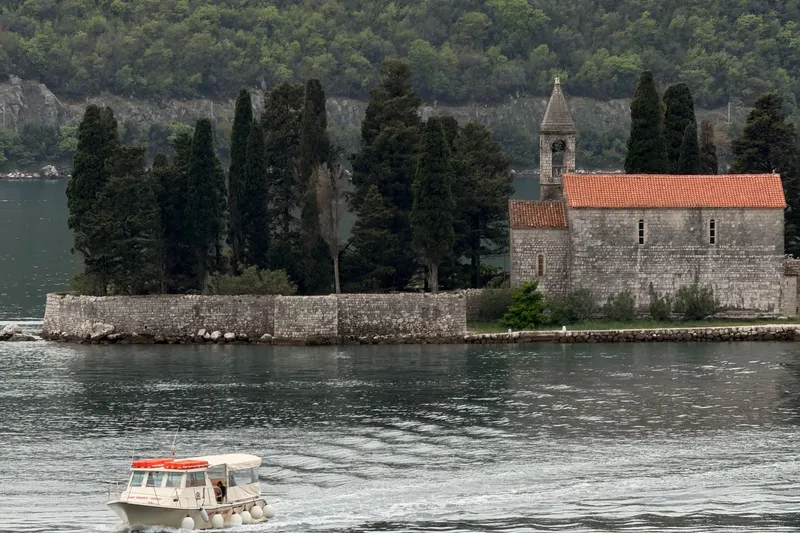
- Our Lady of the Rocks off Perast.
History
1195
Built
A marble founders' plaque in the west facade dates the church and names Mavro Kazafranka and his wife Bona, in the time of Grand Župan Nemanja and his son Vukan.
14th century
Sacristy
A sacristy is added on the north side.
Mid-17th century
Passes to the Orthodox community
Catholic under Venetian rule, the church passes to Orthodox use while keeping the Catholic altar on the south wall, and serves both rites.
18th century
Chapel of St Spyridon
The sacristy becomes the Chapel of St Spyridon with an Italo-Cretan iconostasis; the bell gable dates from the 17th or 18th century.
1810
Solely Orthodox
The Napoleonic administration removes the Latin altars from Orthodox churches.
1979-1985
Restoration
Little damaged by earthquakes, the church is thoroughly restored after 1979 and professionally reconstructed in 1985.
On these trips
Sources
Serbian Orthodox Church Municipality of Kotor, Church of Saint Luke and Chapel of Saint Spyridon · Leksikon CANU, Kotor, Crkva Sv. Luke · Kotor Tourist Organisation, Churches of Kotor Old Town · National Tourism Organisation of Montenegro, Cultural heritage: UNESCO · OpenStreetMap way 207626327, Crkva sv. Luke, ODbL · OSRM routing (car and foot, OpenStreetMap data, ODbL; times without traffic)