Kotor Old Town
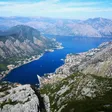
The walled town between the sea, the Škurda and St John's hill: three gates, squares named after markets, churches from 1166
Walled medieval town · Inner end of the Bay of Kotor
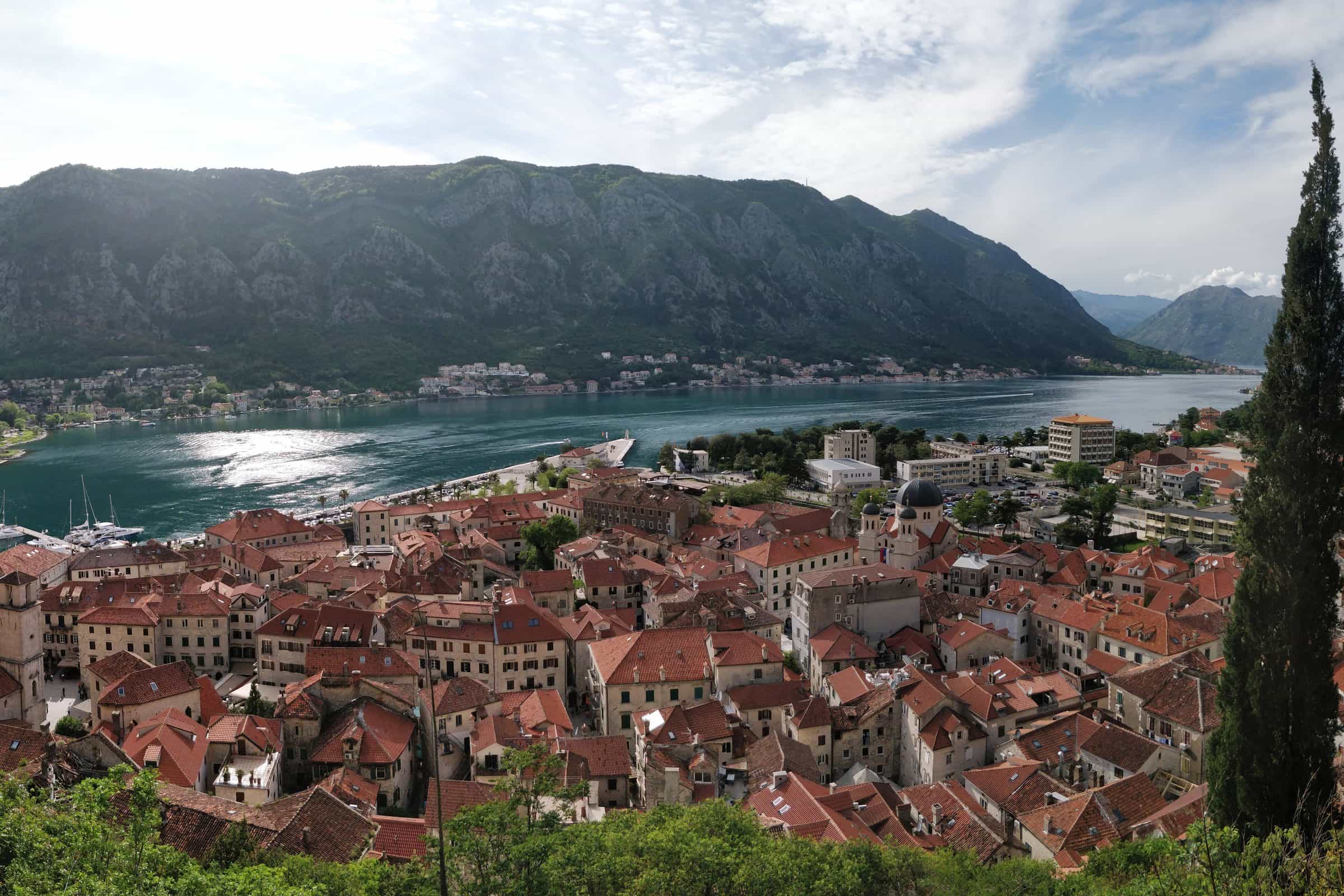
Photo: Jaakko Luttinen · CC BY-SA 4.0
Kotor Old Town is the walled medieval town at the inner end of the Bay of Kotor, inside a UNESCO World Heritage site since 1979. It fills a triangle between the sea, the Škurda river and St John's hill: three gates, squares named after the goods once sold on them, and churches dating from 1166 onwards. It is a lived-in town of 562 residents (2023 census), so the streets have no ticket and no closing time. The one thing you pay for is the walls climb, €15 since October 2023.
Kotor Old Town tours
Sponsored Kotor Old Town Small-Group Walking TourRating 4.7 (194)from €28
 Kotor Old Town Walking TourRating 4.8 (398)from €25
 Kotor Old Town Walking TourRating 5 (22)from €75
 Private Kotor Old Town Walking TourRating 4.7 (69)from €55
Tours, ratings and prices: Viator.
All tours in Kotor Old TownTickets and hours
Walking into the Old Town is free at any hour, through any of the three gates; it is a town, not a museum. The walls and St John's Fortress (locally San Đovani) above it are ticketed at €15, free for residents of Montenegro, under the Kotor Municipal Assembly decision of October 2023; opening hours for the climb are not posted, so ask at the ticket point at the foot of the steps. The Maritime Museum has its own hours and tickets on the museum page.
The three gates
The town of Kotor is entered through three gates. The Sea Gate (Vrata od mora) faces the bay and is the main entrance; it was given its renaissance form in 1555. The River Gate (Vrata od Rijeke) stands at the north-east corner by the Škurda and took its present shape in 1540, to mark the victory over Hayreddin Barbarossa. The Gurdić Gate is at the southern tip and was rebuilt in the late 17th century. The River Gate is roughly 250 m north-east of the Sea Gate and the Gurdić Gate roughly 300 m south of it, so a crossing of the town from gate to gate takes a few minutes.

The squares
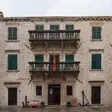
Straight through the Sea Gate is Trg od oružja, the Square of Arms, the largest in the town. On it stand the prince's palace and the baroque clock tower of the 17th century. Each square is named after what was once sold there, so there are squares of salad, flour, milk and arms. The Maritime Museum of Montenegro occupies the Grgurina palace.

The streets
The lanes between the squares have no official names, only nicknames; one is "Pusti me proć", Let me pass. The simplest way to see the town is to enter at the Sea Gate, cross to the River Gate or the Gurdić Gate, and come back by a different lane. Early morning, before the cruise passengers come ashore, is when the squares are emptiest.

The churches
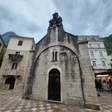
The Cathedral of St Tryphon dates from 1166 and is the oldest of the dated churches. The Church of St Luke followed in 1195, St Mary (Koleđata) was restored in 1221, and St Paul dates from 1266. About 50 churches were built in the town between the 13th and 20th centuries; many are gone, mostly through earthquakes.

The walls
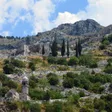
About 4.5 km of wall run along the sea, up St John's hill to the fortress at roughly 300 m and down again. The climb is about 1,400 steps and takes about an hour. Tickets, the 2017 Venetian Works of Defence listing and the climb itself are on the walls and St John's Fortress page.
History in brief
People have lived on this site since the 6th century BC, by the archaeological finds, and Kotor appears in written records from the 1st century AD. The dated buildings tell the rest: the cathedral of 1166, three more churches by 1266, the River Gate of 1540 after Barbarossa's attack and the Sea Gate restored in 1555, then the Gurdić Gate rebuilt in the late 17th century. The earthquake of 1979 damaged the town in the year it was inscribed on the World Heritage List as the Natural and Culturo-Historical Region of Kotor; it stayed on the List of World Heritage in Danger until 2003. In 2017 the fortress was added to a second inscription, the serial site Venetian Works of Defence between the 16th and 17th Centuries, decided at the 41st session in Kraków.
Getting there
Driving times to the Sea Gate, without traffic: Tivat 11.5 km, 16 min; Perast 13.8 km, 22 min; Budva 24 km, 31 min; Herceg Novi 30 km, 48 min (the route may use the Kamenari ferry); Cetinje 53 km, 69 min; Podgorica 74 km, 92 min. The lower station of the Kotor-Lovćen cable car at Dub is 4.2 km from the town by road, about 7 min, and the operator runs a shuttle bus there from Kotor bus station, with tickets online and at the station. Buses, parking and the cruise port are on the Kotor city page.
 SponsoredKotor-Lovćen cable caron Viator
Is Kotor Old Town free to enter?
Yes. The streets, squares and gates have no ticket and no closing time; it is a settlement where people live. Only the walls climb is ticketed, at €15, free for residents of Montenegro.
Is Kotor Old Town a UNESCO site?
Yes. It lies inside the Natural and Culturo-Historical Region of Kotor, on the World Heritage List since 1979, and the fortress above it has been part of the Venetian Works of Defence serial site since 2017.
How many gates does Kotor Old Town have?
Three: the Sea Gate (main entrance, restored 1555), the River Gate by the Škurda (1540) and the Gurdić Gate in the south (rebuilt in the late 17th century).
Nearby
- Kotor walls and St John's Fortress, the climb above the town.
- Church of St Luke, 1195.
- Maritime Museum of Montenegro, in the Grgurina palace.
- Kotor-Lovćen cable car, from Dub up to Lovćen.
- Kotor serpentine viewpoint on the old road to Cetinje.
- Our Lady of the Rocks off Perast.
- Other old towns in Montenegro.
History
6th century BC to 1st century AD
Earliest traces
Archaeological finds point to settlement on the site from the 6th century BC; the first written records of Kotor date from the 1st century AD.
1166-1266
The dated churches
The Cathedral of St Tryphon dates from 1166; St Luke followed in 1195, St Mary (Koleđata) was restored in 1221, and St Paul dates from 1266.
1540-late 17th century
The gates
The River Gate was rebuilt in 1540 to mark the victory over Hayreddin Barbarossa; the Sea Gate was given its renaissance form in 1555. The Gurdić Gate was rebuilt in the late 17th century.
1979
Earthquake and UNESCO inscription
The earthquake damaged the town; the same year the Natural and Culturo-Historical Region of Kotor was inscribed on the World Heritage List and placed on the Danger List.
2003
Off the Danger List
UNESCO removed the Kotor region from the List of World Heritage in Danger.
2017
Venetian Works of Defence
The fortress was inscribed in the serial site Venetian Works of Defence between the 16th and 17th Centuries (Italy, Croatia, Montenegro), at the 41st session in Kraków.
2023
Walls ticket
The Kotor Municipal Assembly set the walls ticket at €15, free for people resident in Montenegro.
Sources
Municipality of Kotor, Meet Kotor · Kotor Tourist Organisation: Kotor Old Town · National Tourism Organisation of Montenegro, Cultural heritage: UNESCO · National Tourism Organisation of Montenegro, Fortresses · Government of Montenegro, 9 Jul 2017, Kotor fortress listed on UNESCO World Heritage List · UNESCO World Heritage Centre, decision 27 COM 7A.27 (2003, removal from the Danger List) · Boka News, 18 Oct 2023, SO Kotor: ulaznica za obilazak bedema 15 eura (local press, secondary; the decision exempts residents) · MONSTAT, 2023 census by settlement · OpenStreetMap, nodes 421915233 (Sea Gate), 330276435 (River Gate), 6833249088 (Gurdić Gate), © OpenStreetMap contributors, ODbL · Routes computed with OSRM on OpenStreetMap data (ODbL) · Kotor Tourist Organisation, Kotor: history (settlement from the 6th century BC, written records from the 1st century AD) · Kotor Cable Car, shuttle bus from Kotor bus station to Dub