Cetinje Monastery
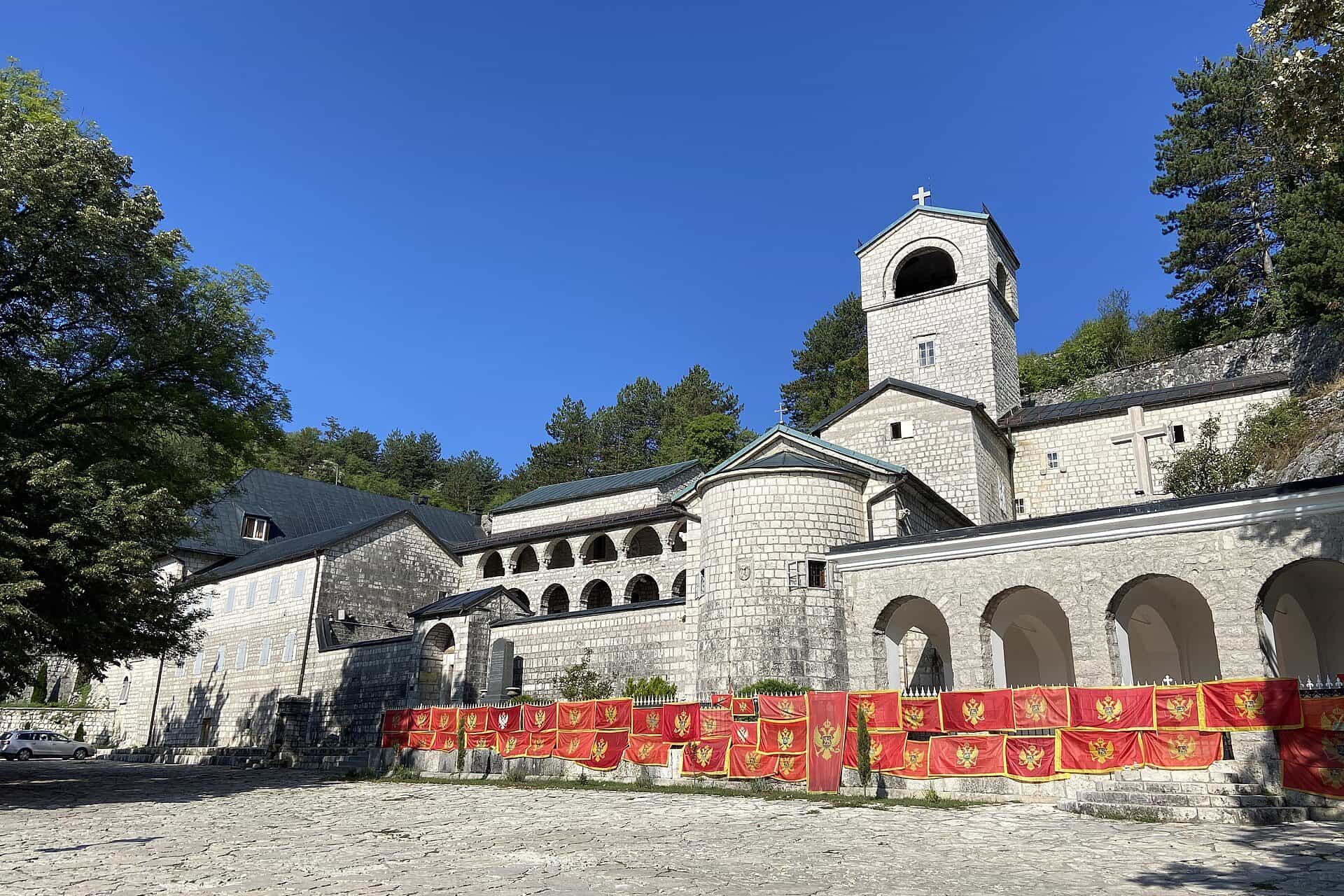
Orthodox monastery at the foot of Orlov krš on the site of Ivan Crnojević's court, built by Metropolitan Danilo in 1701-1704, long the seat of Montenegro's rulers
Orthodox monastery · Cetinje
Photo: Desemeus · CC BY-SA 4.0
Cetinje Monastery stands at the foot of the Orlov krš rock in Cetinje, on the site of the court of Ivan Crnojević, who founded the town in 1482. The monastery as it stands was built by Metropolitan Danilo, the first of the Petrović-Njegoš line, in 1701-1704 and rebuilt after repeated burnings; its present appearance dates mostly from 1786. It was long the seat of Montenegro's metropolitans and rulers. It keeps the relics of St Peter of Cetinje, a fragment of the Holy Cross and the right hand of St John the Baptist. It is an active monastery in the centre of town, a five-minute walk from the main street.
Visiting
The monastery is a working religious house, not a museum: enter the church quietly, dress as you would in any Orthodox church and ask before photographing inside. Cetinje's museums, King Nikola's Museum and Biljarda among them, are a few minutes away on foot, so the monastery fits naturally into a museum day.

What to see
- The Church of the Nativity of the Theotokos, small, with a 19th-century iconostasis by Greek masters, restored in three phases to 2018, when 42 of its icons were conserved. Prince Danilo and Grand Duke Božo Petrović are buried in it.
- The relics: St Peter of Cetinje (Metropolitan Petar I Petrović-Njegoš), a fragment of the Holy Cross and the right hand of St John the Baptist, kept in gold caskets.
- The treasury, with pieces from the 13th to the 20th century: manuscripts and early printed books, icons, embroidery, goldsmiths' work and woodcarving.
- The Crnojević plaques with the family arms and the founder's inscription, moved here from Ivan's first monastery at Ćipur and built into the walls.
- Orlov krš, the rock directly above, with the Mausoleum of Bishop Danilo on top and the view over the Cetinje field.
Ivan Crnojević and the first monastery
Ivan Crnojević (ruled 1465-1490) moved his seat from Žabljak Crnojevića to Obod above Rijeka Crnojevića around 1475 and then, after a vow made at the shrine of the Virgin in Loreto, to the Cetinje field. He built his court there in 1482, the date the town counts as its founding, and in 1484 a monastery on the nearby site of Ćipur. His court stood where the present monastery is and was lived in for only fourteen years. The only picture of it is the engraving in the Oktoih of 1494, printed by the press of his son Đurađ. Ivan's mill in Vladičina bašta, probably from the 1480s, is the one building of his time still standing in Cetinje.

Danilo's monastery and the Petrović rulers
The Ćipur monastery was destroyed in 1692. Metropolitan Danilo, founder of the Petrović-Njegoš dynasty, built a new monastery in 1701-1704 on the ruins of the Crnojević court, setting the Crnojević plaques into the walls. The new house was destroyed and burned in 1712, 1714 and 1785 and rebuilt each time; what stands today is mostly the rebuilding of 1786. From Danilo onwards the monastery was the residence of the metropolitans who governed Montenegro, and so the seat of church and state together. Metropolitan Petar I was canonised as St Peter of Cetinje; his relics are the monastery's main shrine.
The Historic Core of Cetinje, with the monastery at its heart, has been protected as a whole since 1961 and has been on Montenegro's UNESCO Tentative List since 2010.

Getting there
The monastery is about 400 m, a five-minute walk, from the town centre. Drive times without traffic: Podgorica 36.9 km, about 48 minutes; Budva 29.8 km, about 41 minutes; Kotor 52.9 km, about 1 hour 10 minutes.
Nearby
- Mausoleum of Bishop Danilo on Orlov krš, directly above the monastery.
- King Nikola's Museum, Biljarda and the National Museum of Montenegro.
- Monument to Ivan Crnojević, on the square of King Nikola's court.
- Lovćenska vila, the 1939 monument to the volunteers drowned off Medova.
- Njegoš Mausoleum on Lovćen.
History
1482-1484
Ivan Crnojević's court and monastery
Ivan Crnojević moves his seat to the Cetinje field, builds his court in 1482 and a monastery at Ćipur in 1484, after a vow made at Loreto.
1494
The Oktoih
The press of Ivan's son Đurađ prints the Oktoih, whose engraving is the only picture of the court.
1701-1704
Metropolitan Danilo's monastery
Danilo, first of the Petrović-Njegoš line, builds the new monastery on the ruins of the Crnojević court, setting the Crnojević plaques into its walls.
1712, 1714, 1785
Destroyed and rebuilt
Burned three times and rebuilt each time; the present appearance dates mostly from 1786.
2017-2018
Iconostasis conserved
Third phase of conservation of the iconostasis in the Church of the Nativity of the Theotokos; 42 icons restored in 2018.
On these trips
- 3 days in Montenegro: Kotor, Lovćen, BudvaDay 3 · Lovćen serpentines, Njeguši, the mausoleum, Cetinje and Budva
- Day trips from Budva: Kotor, Cetinje, SkadarTrip 2 · Cetinje and Lipa Cave
- 7 days in Montenegro: coast to Durmitor loopDay 3 · Lovćen serpentines, Njeguši, the mausoleum, Cetinje and Budva
- 10 days in Montenegro: the full loop by carDay 3 · Lovćen serpentines, Njeguši, the mausoleum, Cetinje and Budva
Sources
Cetinje Tourist Organisation, Cetinje Monastery · Cetinje Tourist Organisation, Rijeka Crnojevića (Ivan's rule 1465-1490, Obod, Oktoih 1494) · Ministry of Culture, Management Plan of the Historic Core of Cetinje (2009): Ivan's court 1482, Ćipur monastery 1484, Danilo's rebuilding, protection since 1961 · National Tourism Organisation of Montenegro, Sacral objects · Centar za konzervaciju i arheologiju Crne Gore, aktivnosti 2018 (iconostasis conservation, 42 icons) · Wikipedia, Cetinje Monastery (1692 destruction; secondary) · Wikipedia, List of World Heritage Sites in Montenegro (Tentative List 2010; secondary) · OpenStreetMap node 420799598, Cetinjski Manastir, ODbL · OSRM routing (car and foot, OpenStreetMap data, ODbL; times without traffic)
Closest places
 Mausoleum of Bishop DaniloMonument< 1 km · 3 min
 King Nikola's MuseumMuseum< 1 km · 3 min
 Art Museum of MontenegroMuseum1.2 km · 3 min
 National Museum of MontenegroMuseum1.2 km · 3 min
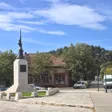 Lovćenska vila (Monument to the volunteers drowned off Medova)Monument1.3 km · 3 min
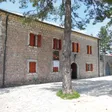 Njegoš Museum BiljardaMuseum1.3 km · 4 min