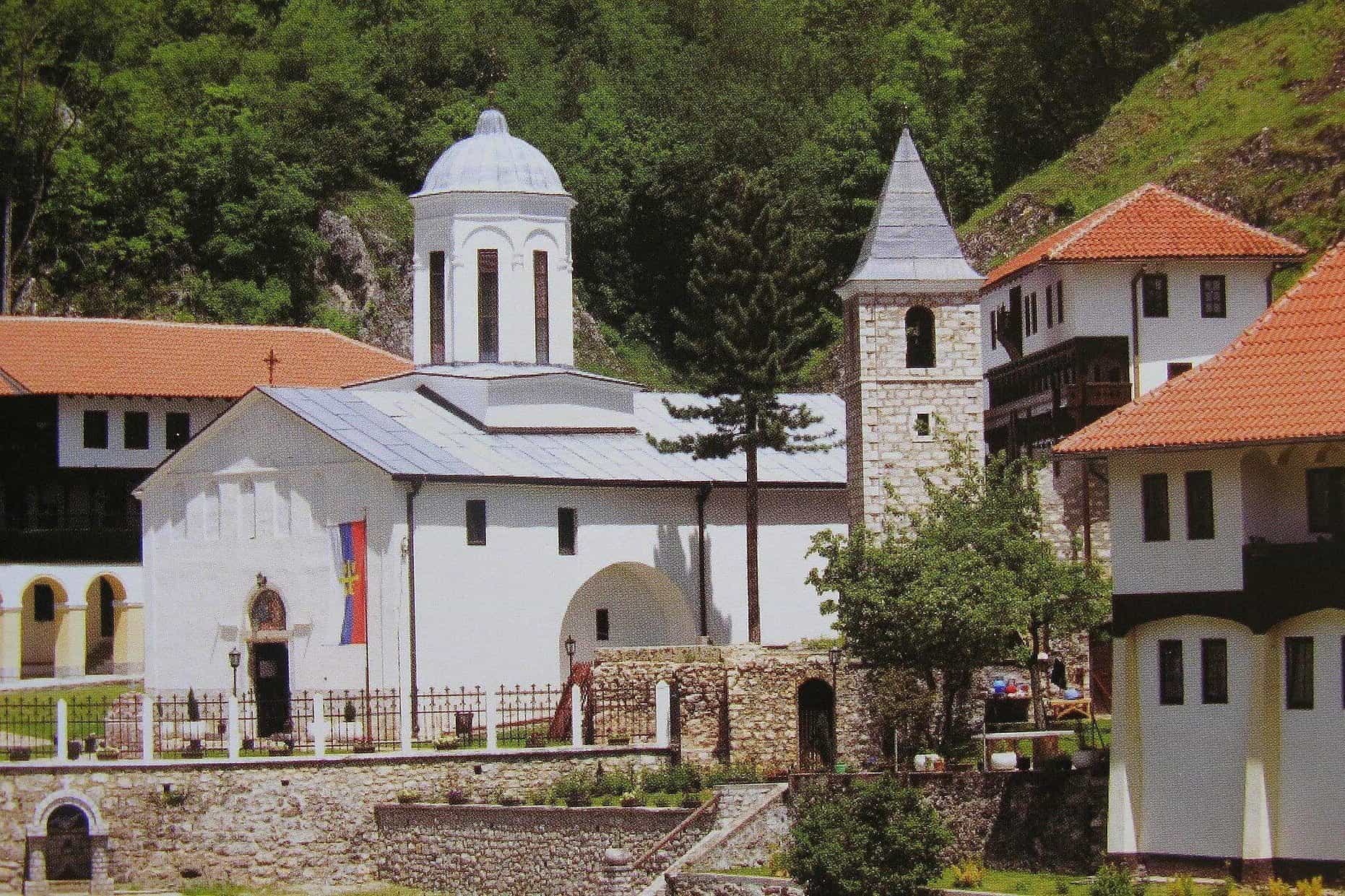
Holy Trinity Monastery, Pljevlja
Orthodox monastery on the edge of Pljevlja, first recorded in 1537, with the hand of St Sava, a library of medieval manuscripts and a rich treasury
Orthodox monastery with library and treasury · Njegoševa street
Photo: Solumija · CC BY-SA 3.0
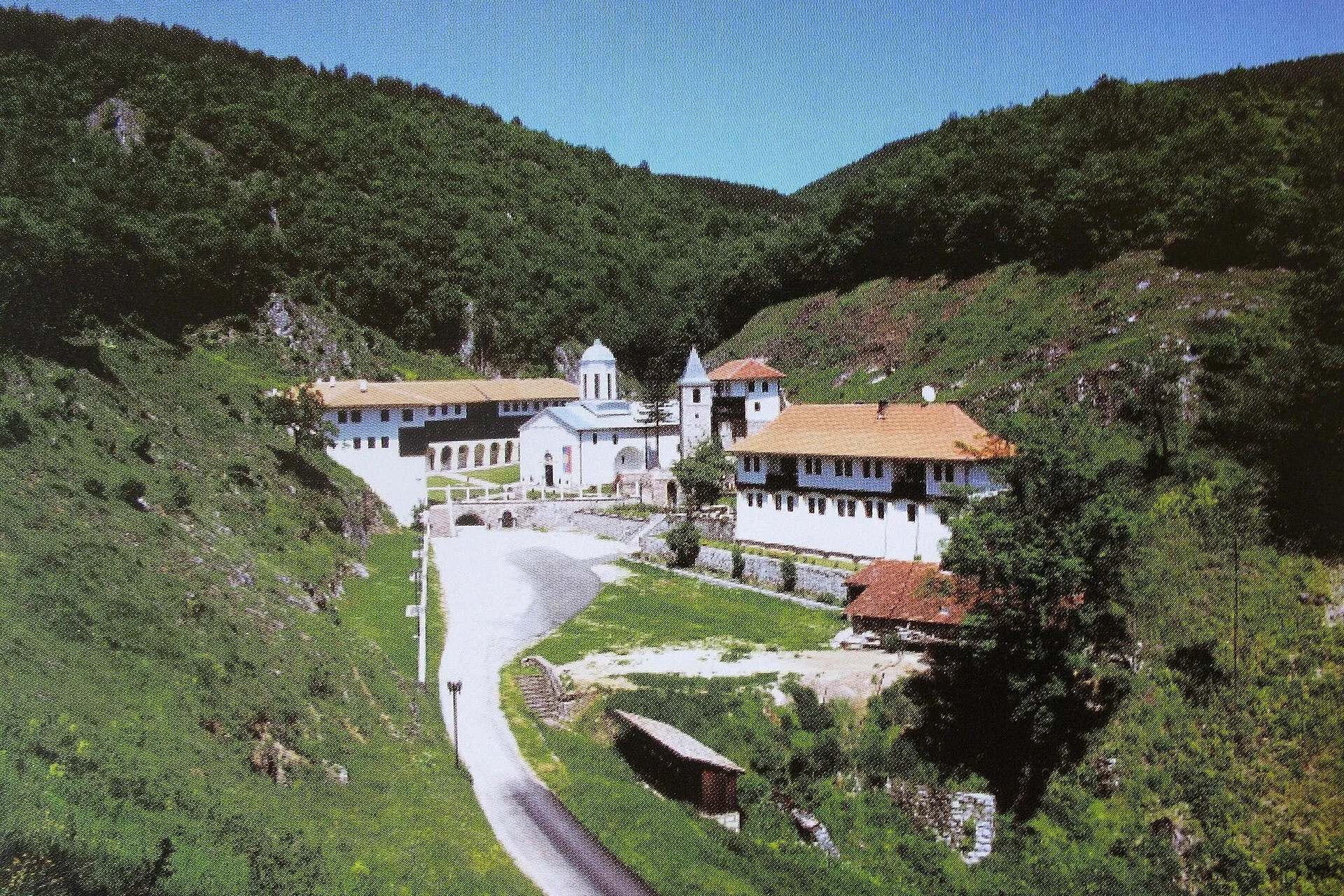
The Holy Trinity Monastery (Manastir Sveta Trojica) is an Orthodox monastery on the edge of Pljevlja, first recorded in 1537 and for centuries the main religious, educational and cultural centre for the Orthodox of Old Raška, the Lim valley and the Tara valley. With the Husein-pasha Mosque it is one of the two architectural symbols of the town. Go for the church, the relics (among them a reliquary with the hand of St Sava), the library of medieval manuscripts and a treasury counted among the most important monastery collections in the region. It is a working monastery about 20 minutes on foot from the centre.
What you see
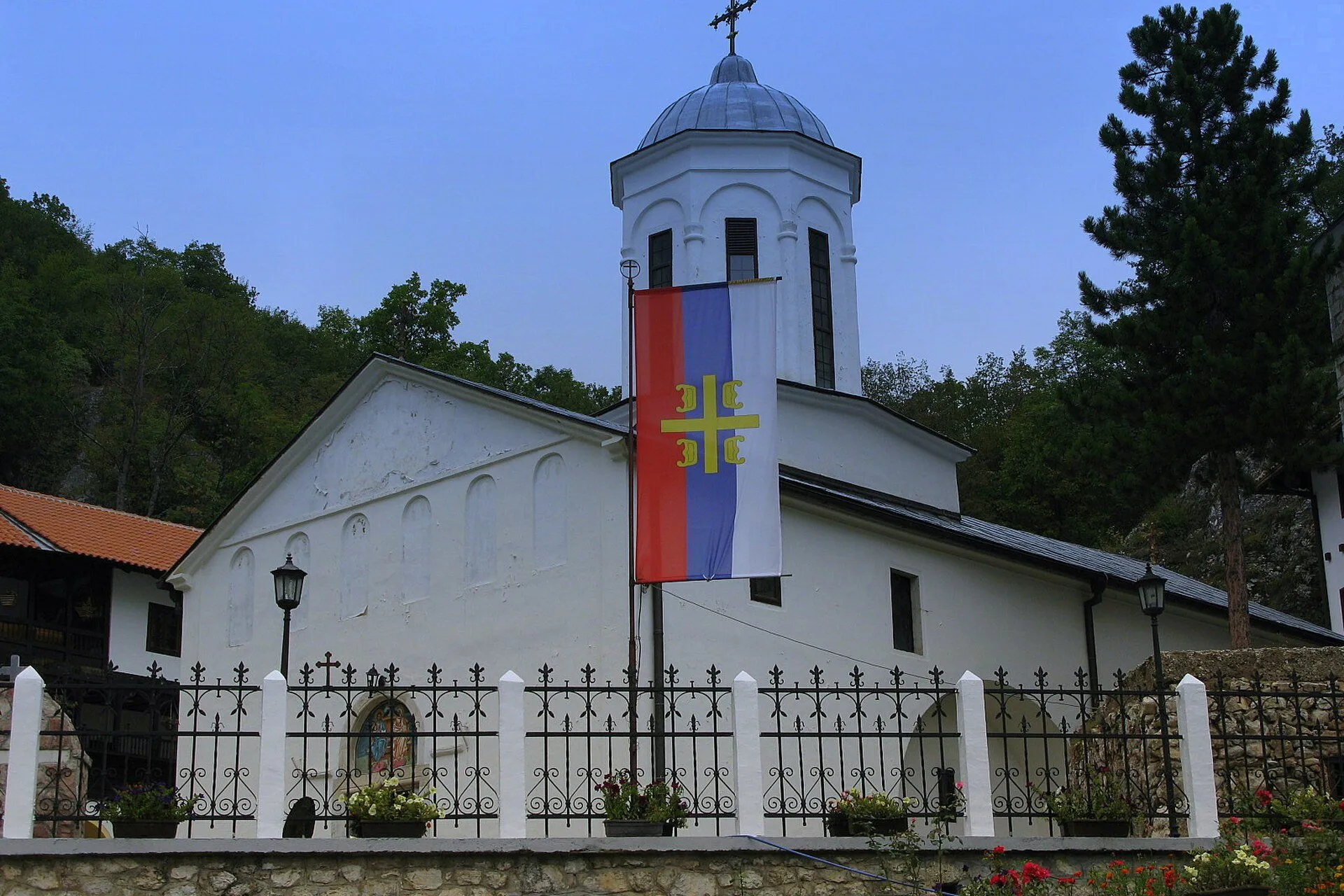
- The church of the Holy Trinity, the monastery's main church.
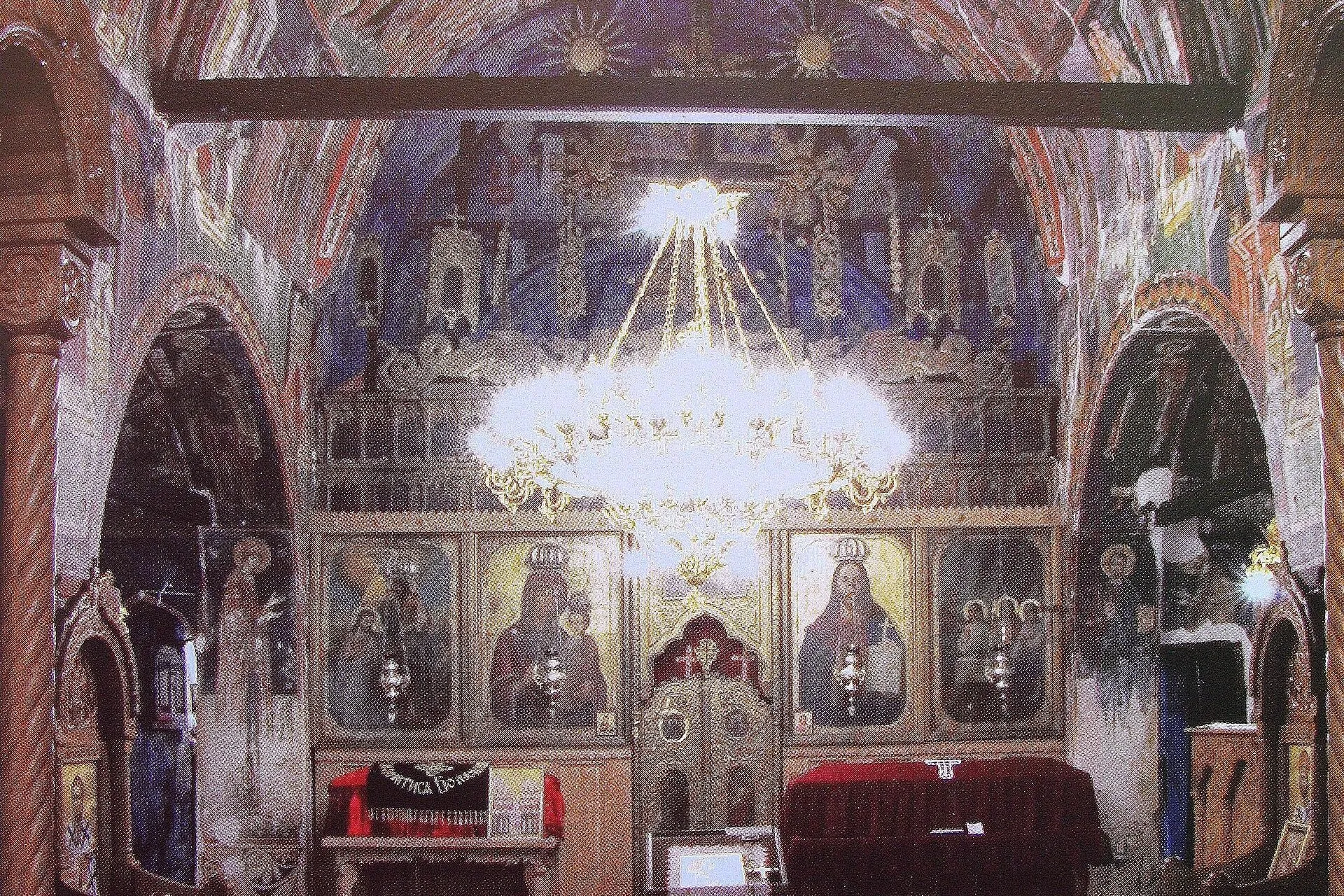
- Relics: a reliquary with the hand of St Sava, and relics of Sts Cosmas and Damian, St Thekla, the Forty Martyrs of Sebaste and St Seraphim.
- The library, with the Hexaemeron of John the Exarch, the Christian Topography of Cosmas Indicopleustes and the Pljevlja Synodikon, some written on parchment.
- The treasury: icons, liturgical objects, goldsmiths' work in silver and gold, church embroidery, furniture and documents.
Whether the treasury and library are shown to visitors, and when, is not published; ask at the monastery.
History in short
The exact founding date is unknown. Before the Ottoman conquest of 1465 a simpler church, probably of wood, stood on the site. The earliest known record of the monastery is from September 1537, in a Menaion copied by the hieromonk Sava, the first known scribe of the monastery. The hegumen Visarion is named as its first founder and benefactor; the wall inscription that said so was published before it was destroyed. Until the end of the 17th century the monastery was a major centre for copying manuscripts.
Getting there
The monastery is on Njegoševa street on the edge of the town, 1.7 km from the centre of Pljevlja, about 20 minutes on foot. Parking and signposting are not described by official sources.
Visiting
Holy Trinity is an active monastery. Check opening times, any fee, treasury access and photo rules on site or with the Pljevlja tourist organisation (+382 67 009 019). As in any Orthodox church, cover shoulders and knees and ask before photographing inside.
Nearby
- Husein-pasha Mosque, the town's other landmark.
- Monument to the fallen fighters on Stražica.
- Ćehotina, the river through Pljevlja, and the Draga.
- Tara and its canyon, south of the town.
Questions
How old is the Holy Trinity Monastery in Pljevlja? The Holy Trinity Monastery is first recorded in September 1537, in a Menaion copied there, and an older church, probably wooden, stood on the site before 1465.
What relics are kept at Holy Trinity, Pljevlja? The Holy Trinity Monastery keeps a reliquary with the hand of St Sava and relics of Sts Cosmas and Damian, St Thekla, the Forty Martyrs of Sebaste and St Seraphim.
How far is the Holy Trinity Monastery from Pljevlja town centre? The Holy Trinity Monastery is 1.7 km from the centre of Pljevlja, about 20 minutes on foot.
History
Before 1465
The earlier church
A simpler church, probably of wood, stands on the site before the Ottoman conquest.
September 1537
First record
The earliest known record of the monastery, in a Menaion copied by the hieromonk Sava, its first known scribe. The hegumen Visarion is named as first founder.
16th-17th century
Scriptorium
The monastery is a major centre for copying manuscripts; its library keeps the Hexaemeron, the Christian Topography and the Pljevlja Synodikon.
More churches & monasteries
Nearest by road first


Sources
Pljevlja Tourist Organisation, Manastir Sveta Trojica · Pljevlja Tourist Organisation, Manastiri i crkve · Pljevlja Tourist Organisation, Kulturno-istorijski spomenici · National Tourism Organisation, Charming mountain towns · OpenStreetMap node 782798995, ODbL · OSRM routing (OpenStreetMap data, ODbL) · TO Pljevlja: contact