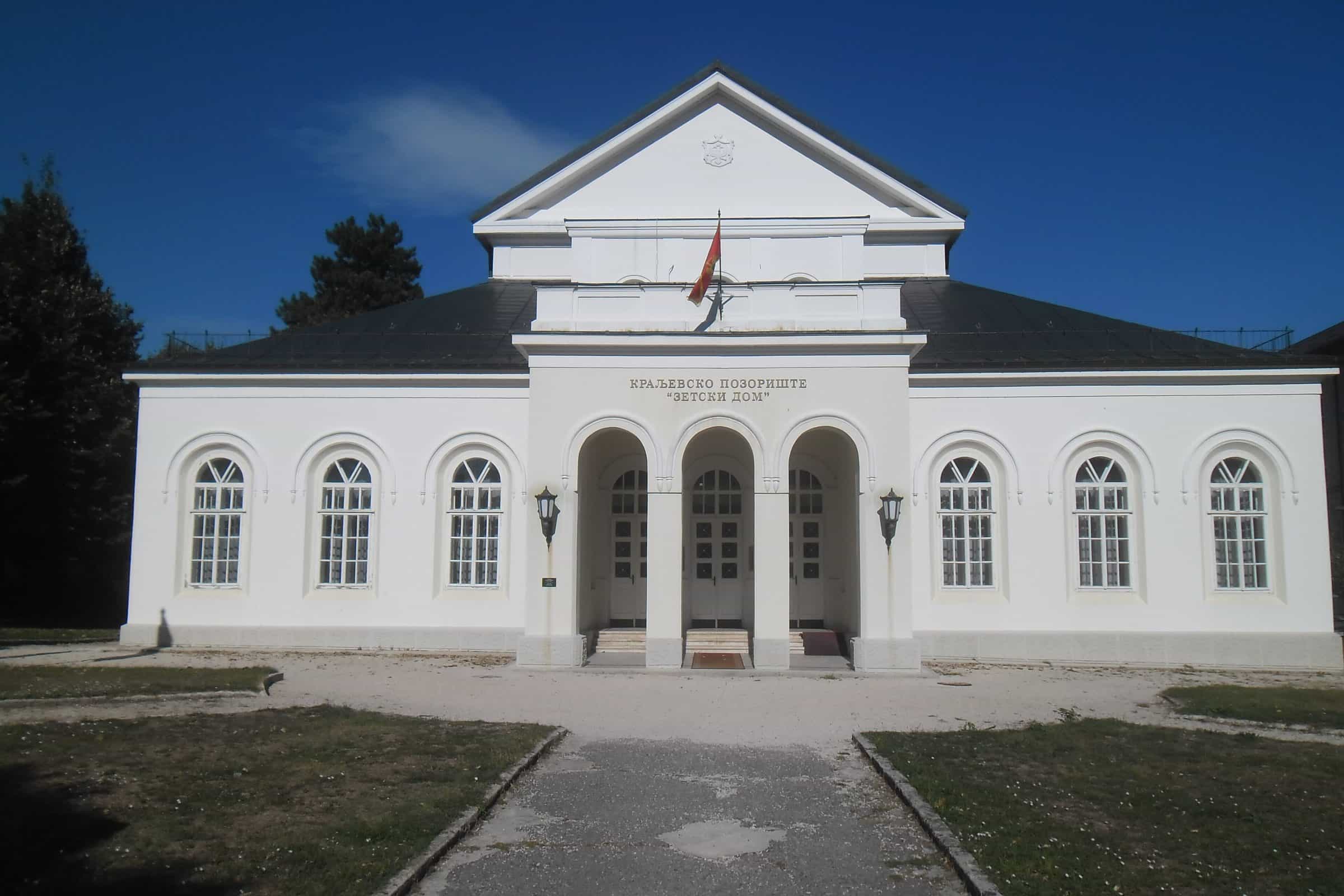
Zetski dom Royal Theatre, Cetinje
Montenegro's first theatre building, 1884-1896, by Josip Slade: burned, rebuilt, closed by the 1979 earthquake and playing again since 1992
Theatre building · Built 1884-1896, rebuilt 1931, reopened 1992 · Baja Pivljanina 4
Photo: August Dominus · CC BY-SA 4.0
Zetski dom is the first theatre building in Montenegro and the home of the Royal Theatre Zetski dom (Kraljevsko pozorište Zetski dom) in Cetinje. Built in 1884-1896 to a design by Josip Slade Šilović of Trogir, it opened on 26 October 1896 with a play by Prince Nikola, burned in 1916 and again later, was closed by the 1979 earthquake and reopened in 1992. It stands at Baja Pivljanina 4, 256 m from the town centre (4 minutes on foot). The porch of three arches is seen from the street; the inside is seen by going to a performance, as no tours or hours are published.
- Built 1884-1896; first play in the unfinished hall on 5 December 1888; opened 26 October 1896
- Architect Josip Slade Šilović of Trogir; works led by Toša Gojković and Jovo Terzović
- Style Neo-Romanesque, three aisles, a porch of three arches with a terrace above
- Hall 300 seats and 17 boxes at the opening; 240 seats today
- Protection Cultural property of national importance since 29 June 1961; category I
- Inside Only at a performance: drama, concerts, films and plays for children
Before the building
Theatre in Cetinje is older than the theatre house. The first reading of roles from Gorski vijenac took place in the Biljarda, probably with Njegoš himself; the sheet with the roles is shown in the Biljarda museum today. In 1864 the one-act play Kap otrova was staged, and in 1868 the Cetinje Reading Room was founded. At the end of 1883 a Volunteer Theatre Society formed inside the Reading Room, and on 2 January 1884 it staged Prince Nikola's new verse drama Balkanska carica in the unfinished house of vojvoda Mašo Vrbica, later the Turkish legation and today 107 m from the theatre: about 200 people were inside and many more stood outside in the snow.
Twelve years of building
That winter the Reading Room appealed for money to build a house for a theatre, a library and a museum. Gifts came from all over Montenegro and from Shkodër, Novi Sad, Sremski Karlovci, Split, Zagreb and Vienna. The foundation stone was laid on 1 May 1884 under the patronage of vojvoda Mirko Petrović. The design was by Josip Slade Šilović of Trogir, who also designed the Austro-Hungarian legation in Cetinje; Toša Gojković and Jovo Terzović led the works.
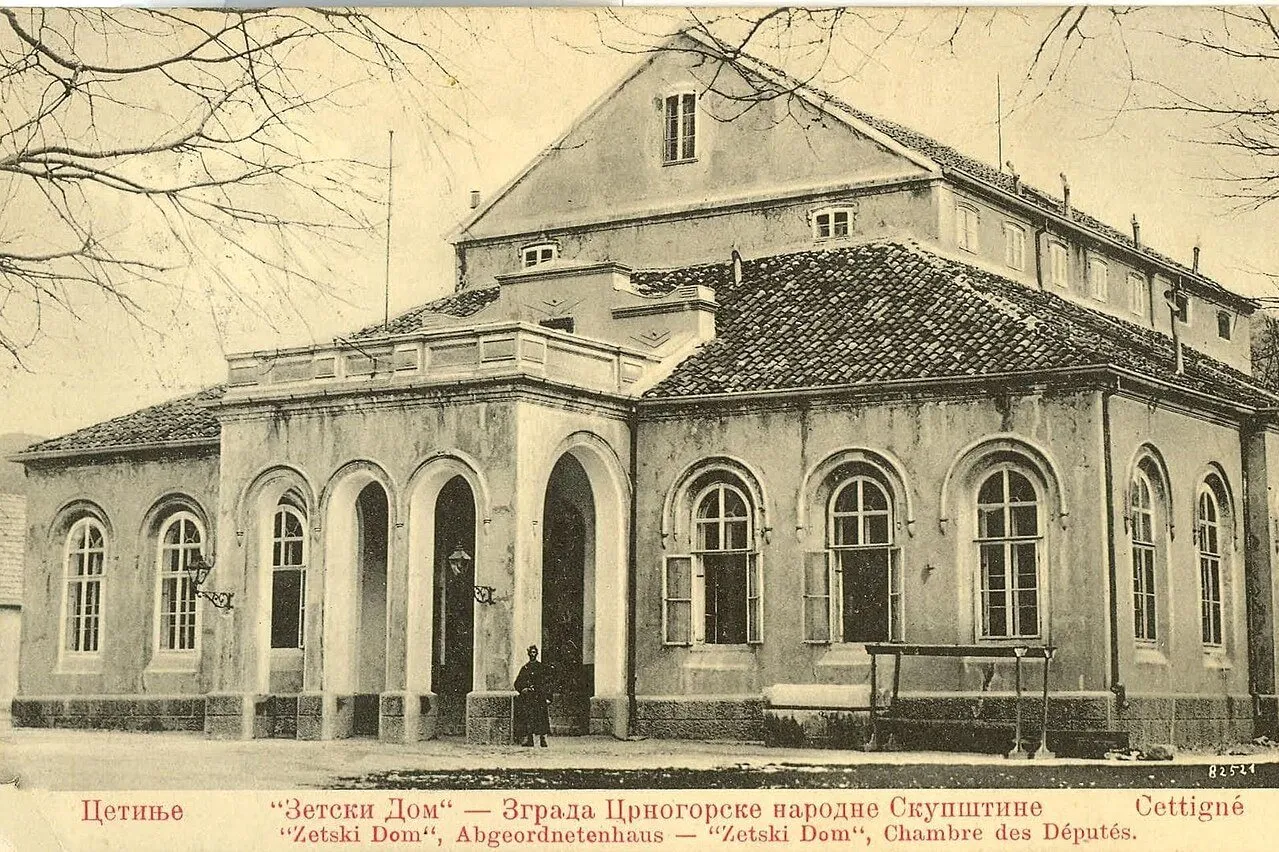
In 1888 the Reading Room moved into the unfinished building, and on 5 December 1888 the first play was given in the unfinished hall: Balkanska carica again, with the first printed theatre poster of a local company. The interior took longer. A contract for it was signed in 1895, no programmes ran in 1896 while it was finished, and after 12 years and more than 60,000 florins the theatre opened on 26 October 1896 with the premiere of Prince Nikola's Knjaz Arvanit. From then on it was the Princely Montenegrin Theatre, and the building was the country's first multi-purpose cultural house, with the museum and library under the same roof.
Good to know: Two dates go round for the finished theatre, 1888 and 1896. The rough works were done and the first play given in 1888; the finished hall opened in 1896.
The building
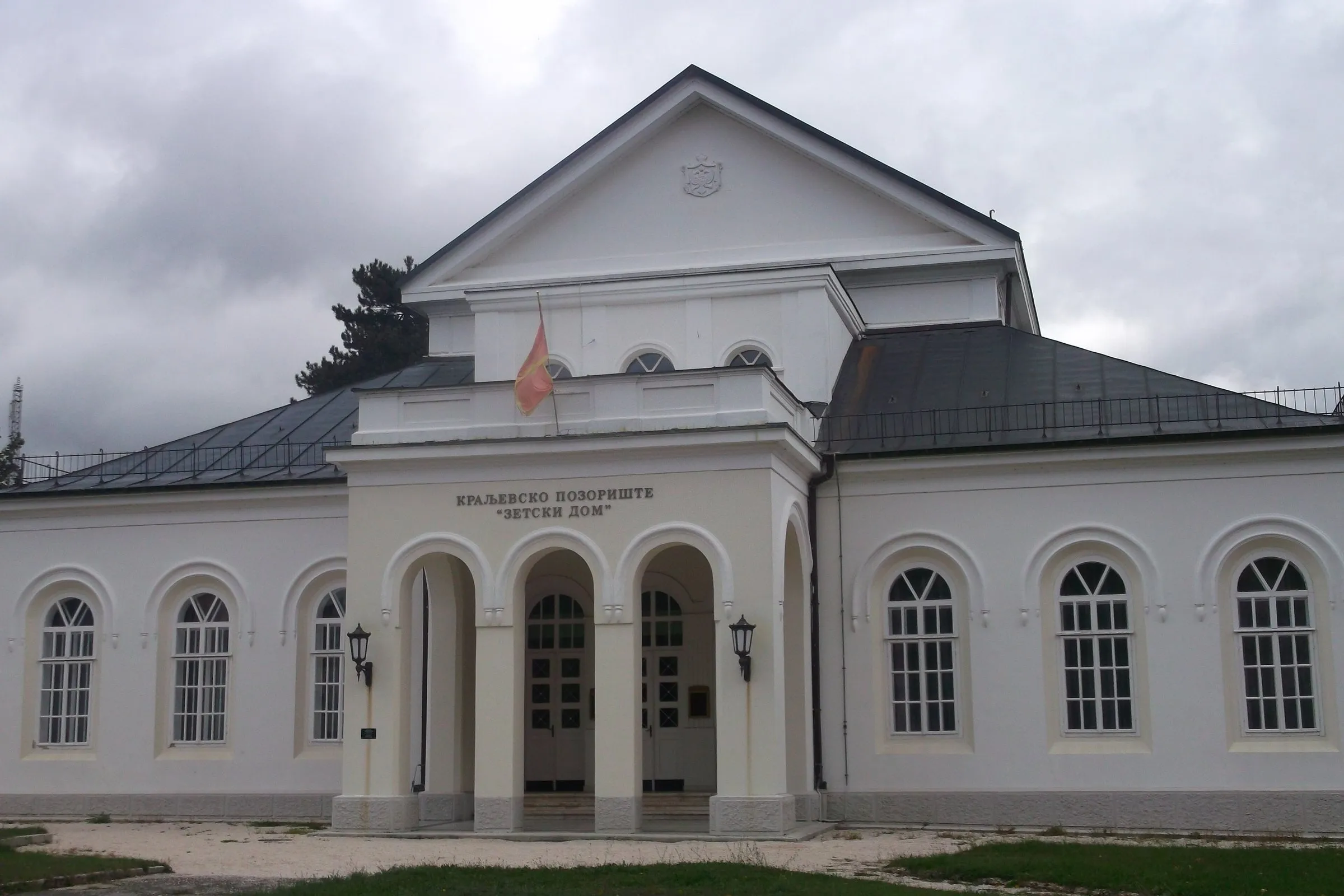
Zetski dom is neo-Romanesque, on a three-aisled plan with the entrance hall, auditorium and stage in the central aisle. The front is a porch of three arches with a terrace over it. When it opened it had 964 m² of floor space, 17 boxes, a stalls and a gallery with 300 seats, and a stage 14 m deep and 7 m wide. The Czech painter František Ženišek, who did similar work for the National Theatre in Prague, painted the ceiling with the seven muses of the arts and the original curtain: a gusle player under a tree with Montenegrins listening.
Fires, an earthquake and three reopenings
After the first constitution the building also hosted sessions of the National Assembly. On 16 May 1910 the professional state theatre opened here, and its first season, August 1910 to July 1911, gave more than 115 performances. War from 1912 stopped the work. In 1916 the building was badly damaged by fire, which took the baroque clock from the façade, and for a time it served for the wounded.
The rebuilding, finished in 1931, paid no regard to the original: one arch replaced the three at the entrance, a concrete coffered ceiling replaced Ženišek's painted one, and from half the seats the stage could not be seen. The theatre reopened on 6 September 1931. It restarted days after the liberation of Cetinje on 13 November 1944, and the 1947/48 season reached 202 performances for 75,222 spectators. From 1958 it ran as an amateur theatre under the municipality. A further fire (dated 1962 in one of the theatre's own accounts and the mid-1970s in another) and then the 1979 earthquake ended all activity in the building; the institution itself had been merged into a culture centre in 1976. A renovation in 1985 gave the exterior back its original look, with the three arches.
Restored with public donations, Zetski dom reopened on 19 December 1992. The Royal Theatre Zetski dom was founded as an institution in 1995; it has run the Montenegrin International Theatre Festival since 2015 and has had a permanent acting company since the end of 2020. During research for a planned reconstruction that was not carried out, three of the seven original painted muse rolls were found in the Central National Library. The theatre has been a member of the European Route of Historic Theatres since 2014 and leader of its Adriatic route since 2017.
Seeing the inside
The hall today has 240 seats in the stalls, gallery and balcony. The programme runs to own and guest drama, plays for young audiences, concerts, book promotions and films; what is on this week is on the events page for Cetinje. There are no published tours or visiting hours and no published ticket prices, so the way to see the auditorium is to buy a ticket for a performance. The theatre's own website has a virtual tour of the building.
Tip: The three-arched porch, the terrace and the façade can be seen from the street at any time. Zetski dom stands in one block with the former Russian legation, the old Danilo I hospital, the municipality building and the former Turkish legation, so the former legations of Cetinje walk passes right by it.
Getting there
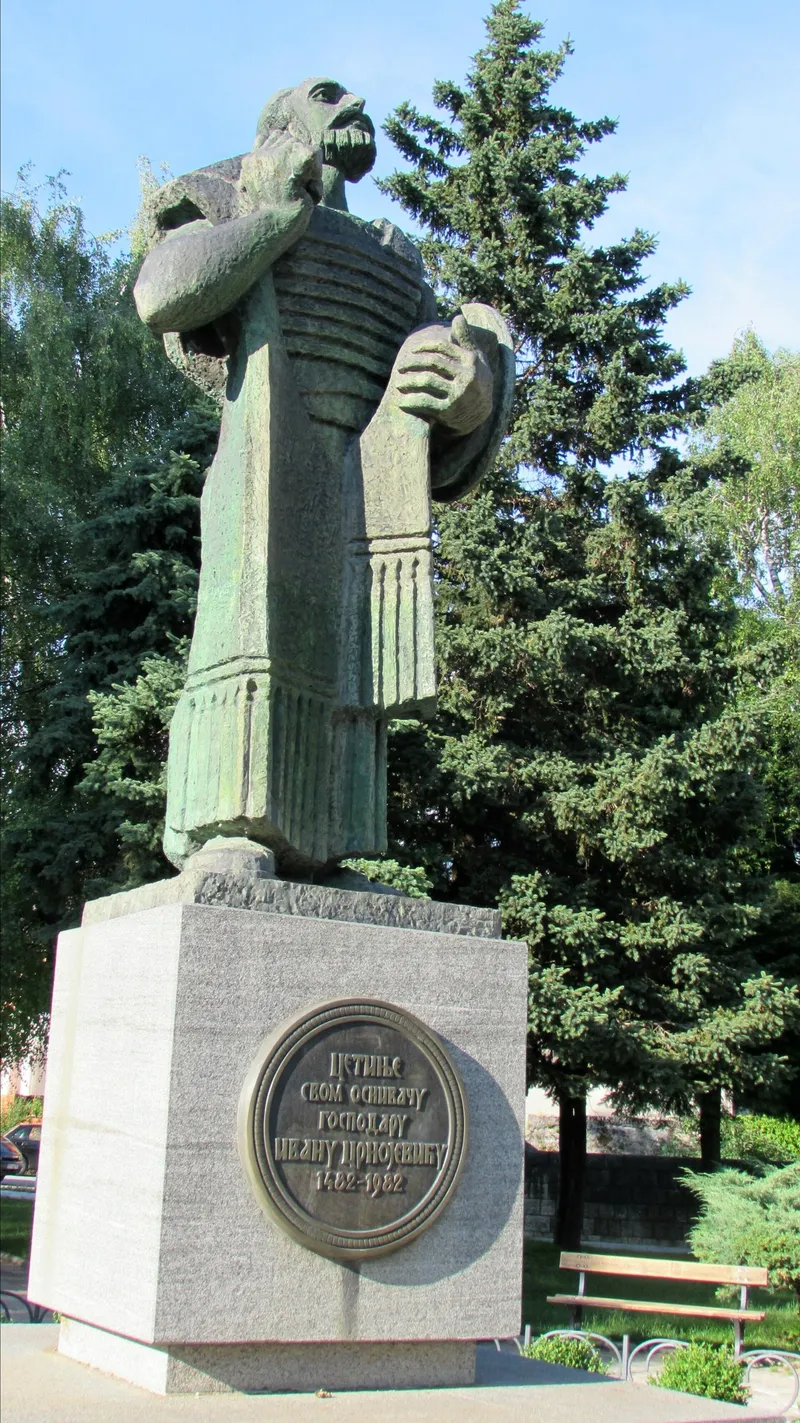
Zetski dom is at Baja Pivljanina 4, near the main square: 256 m from the centre of Cetinje on foot (4 minutes) or 223 m by car. From the theatre it is 107 m to the former Turkish legation (2 minutes), 197 m to the Ethnographic Museum (3 minutes), 241 m to the former Russian legation (3 minutes), 245 m to the Ivan Crnojević monument on Dvorski trg and 255 m to King Nikola's Museum (4 minutes).
Nearby
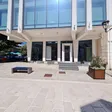
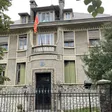
- Former Turkish legation, where Balkanska carica was first staged in 1884, 107 m, 2 minutes on foot.
- Ethnographic Museum, 197 m, 3 minutes.
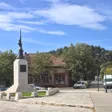
- Ivan Crnojević monument, Dvorski trg, 245 m, 3 minutes.
- King Nikola's Museum, 255 m, 4 minutes.
- Biljarda, with the sheet of roles from the first reading, 413 m, 5 minutes.
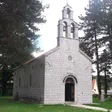
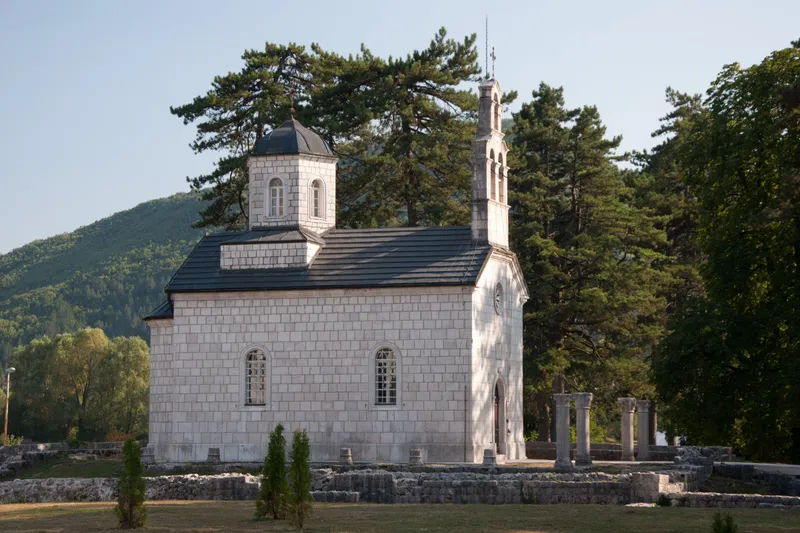
- Court Church on Ćipur, 426 m, 6 minutes.
- Vlach Church, 482 m, 6 minutes.
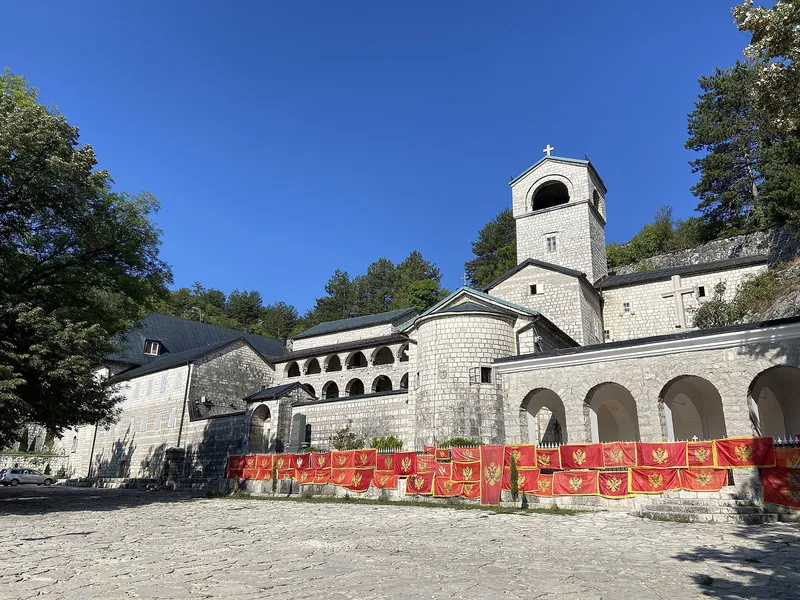
- Cetinje Monastery, 492 m, 6 minutes.
- National Museum of Montenegro, whose first museum of 1896 was set up in this building.
Questions
When was Zetski dom in Cetinje built?
Zetski dom was built in 1884-1896: the foundation stone was laid on 1 May 1884, the first play was given in the unfinished hall on 5 December 1888, and the finished theatre opened on 26 October 1896.
Can I go inside Zetski dom?
Zetski dom publishes no tours or visiting hours, so the inside is seen by going to a performance; the façade with its three-arched porch is visible from the street.
Who designed Zetski dom?
Zetski dom was designed by Josip Slade Šilović of Trogir, and its ceiling and first curtain were painted by the Czech artist František Ženišek.
History
1884
First play and foundation stone
The Volunteer Theatre Society of the Cetinje Reading Room stages Prince Nikola's Balkanska carica in the unfinished Vrbica house on 2 January; on 1 May the foundation stone of Zetski dom is laid under the patronage of vojvoda Mirko Petrović.
1888
First play in the hall
The Reading Room moves into the unfinished building; on 5 December the first play is given in the unfinished hall, with the first printed theatre poster of a local company.
1896
Opening
After 12 years and more than 60,000 florins the theatre opens on 26 October with the premiere of Knjaz Arvanit; it becomes the Princely Montenegrin Theatre.
1910
State theatre
The professional state theatre opens on 16 May; its first season gives more than 115 performances.
1916-1931
Fire and rebuilding
Fire badly damages the building and destroys the façade clock; the rebuilding finished in 1931 replaces the three arches with one and the painted ceiling with concrete. Reopened 6 September 1931.
1979-1992
Earthquake and reopening
A further fire and the 1979 earthquake end all activity in the building; restored with public donations, it reopens on 19 December 1992.
1995 onwards
Royal Theatre
The Royal Theatre Zetski dom is founded as an institution; member of the European Route of Historic Theatres since 2014, host of the Montenegrin International Theatre Festival since 2015, with a permanent company since the end of 2020.
Closest places

More monuments
Nearest by road first


Sources
Royal Theatre Zetski dom, history (Biljarda reading, 1864 play, Reading Room 1868, society 1883, Balkanska carica 1884, donations, foundation stone, Slade, 1888 first play, 1896 opening, Assembly, 1910, 1916 fire, 1931 rebuilding, 1944, 1947/48, 1958, earthquake, 1992, 1995, festival, company) · Royal Theatre Zetski dom, technical details (964 m², 17 boxes, 300 seats, stage 14 x 7 m, Ženišek ceiling and curtain, style, 1931 changes, 1985 exterior, fires, 240 seats, protected since 29 June 1961) · Royal Theatre Zetski dom, European Route of Historic Theatres (member since 2014, Adriatic route leader since 2017) · Royal Theatre Zetski dom, location (the block with the Russian legation, Danilo I hospital, municipality and Turkish legation; the 1884 performance in the Vrbica house) · Royal Theatre Zetski dom, contact (address Baja Pivljanina 4) · Tourist Organisation Cetinje, Zetski Dom - Old Royal Theatre (Ženišek and the Prague National Theatre, the clock lost in the 1916 fire) · National Museum of Montenegro, About us (1896 law on the Princely Montenegrin Library and Museum, set up in Zetski dom) · Ministry of Culture, Sports and Media of Montenegro, Management Plan of the Historic Core of Cetinje (2009), pp. 18, 36, 47-48, 66 (Slade, first theatre and multi-purpose building, Princely Montenegrin Theatre, 16 May 1910, 1958, 1992, category I) · Dragica Đurašević Miljić, Arhitektura u doba kralja Nikole, Matica no. 64 (2015), pp. 382-383 (foundation stone 1884, Terzović, muse rolls found in the National Library) · OpenStreetMap way 167047328, ODbL · OSRM routing (OpenStreetMap data, ODbL)