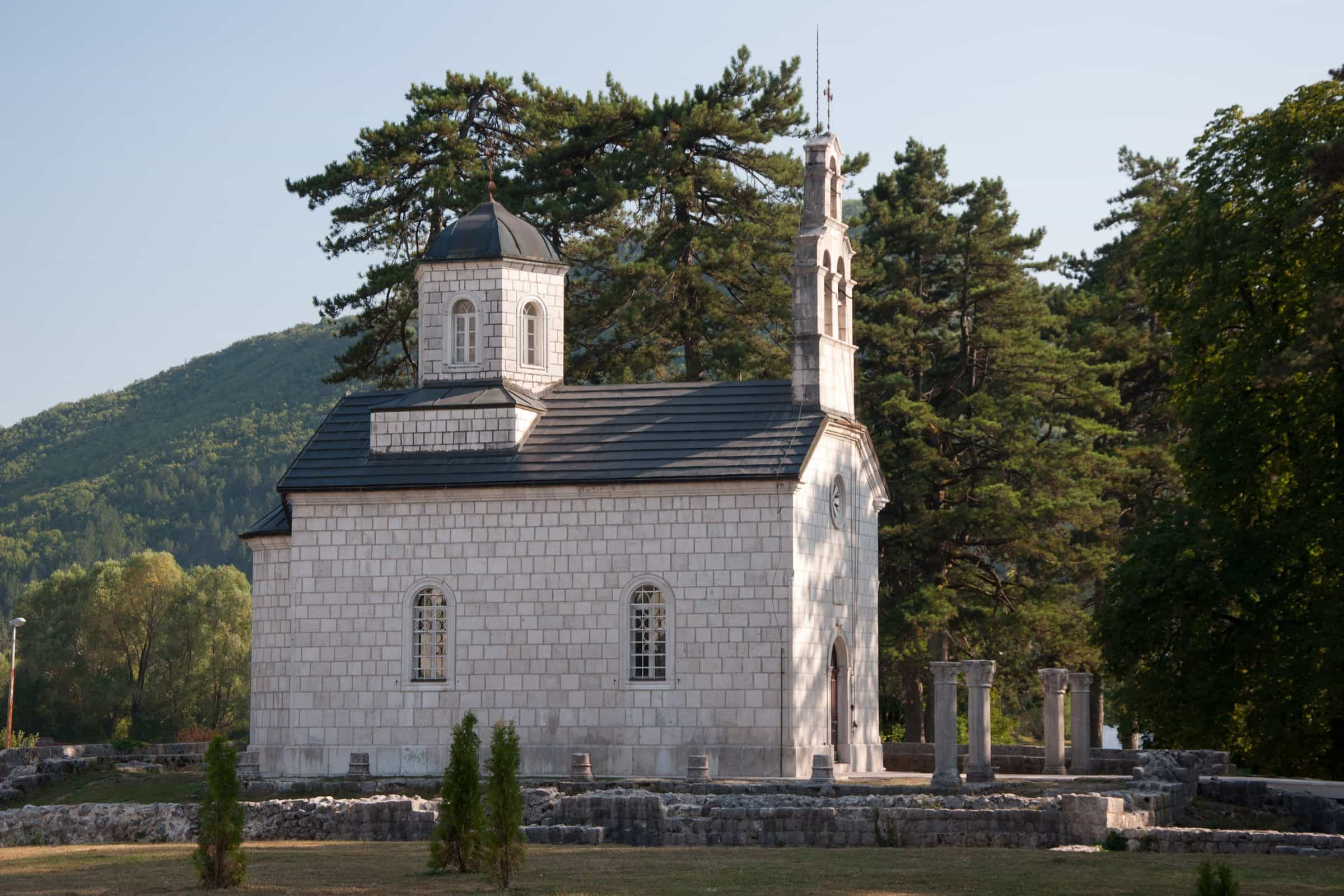
Court Church on Ćipur, Cetinje
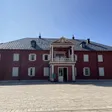
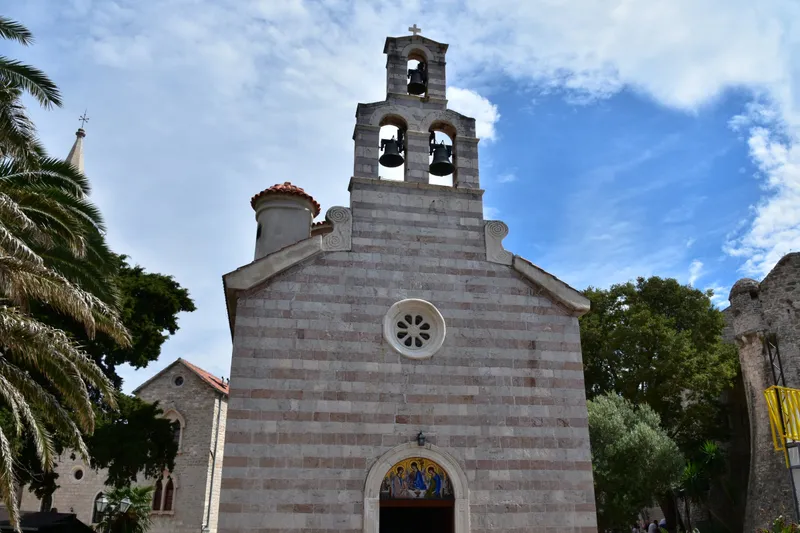
Prince Nikola's court church of 1890 on the foundations of Ivan Crnojević's monastery of 1484, with the tombs of the king, the queen and the founder of Cetinje
Orthodox court church with the remains of the Crnojević monastery · Novice Cerovića street
Photo: Bo&Ko · CC BY-SA 2.0
The Court Church on Ćipur (Dvorska crkva na Ćipuru) is the small white church that Prince Nikola had built in 1890 on the site of Ivan Crnojević's monastery of 1484, the first monastery of Cetinje. Around it lie the conserved foundations of that monastery and a rebuilt colonnade; inside are the tombs of King Nikola and Queen Milena, brought from San Remo in 1989, and the tomb of Ivan Crnojević himself. The church stands 172 m from King Nikola's Museum and 522 m from the town centre (7 minutes on foot). It is in religious use and publishes no opening hours; the monastery remains around it are outdoors.
- Monastery Founded 1484 by Ivan Crnojević, destroyed 1692; foundations uncovered in the late 1980s
- Church First built 1886, rebuilt 1890 by Miloš Lepetić for Prince Nikola
- Inside Five-tier iconostasis by St Petersburg icon painters; tombs of King Nikola, Queen Milena and Ivan Crnojević
- Protection Monastery remains category I, church category II
- Where Novice Cerovića street, behind King Nikola's palace, 7 minutes from the centre
- Visiting Working church, no published hours; the ruins can be seen at any time
Ivan Crnojević's monastery
Ivan Crnojević moved his court to the Cetinje field in 1482 and two years later, in 1484, built his monastery here, on the spot the town counts as its birthplace. The name Ćipur comes from the Greek word for garden, and the Bishop's garden (Vladičina bašta) still lies in front of it. In his founding charter Ivan wrote that the church of Our Lady of Loreto had inspired the foundation. The monastery became the seat of the Zeta Metropolitanate.
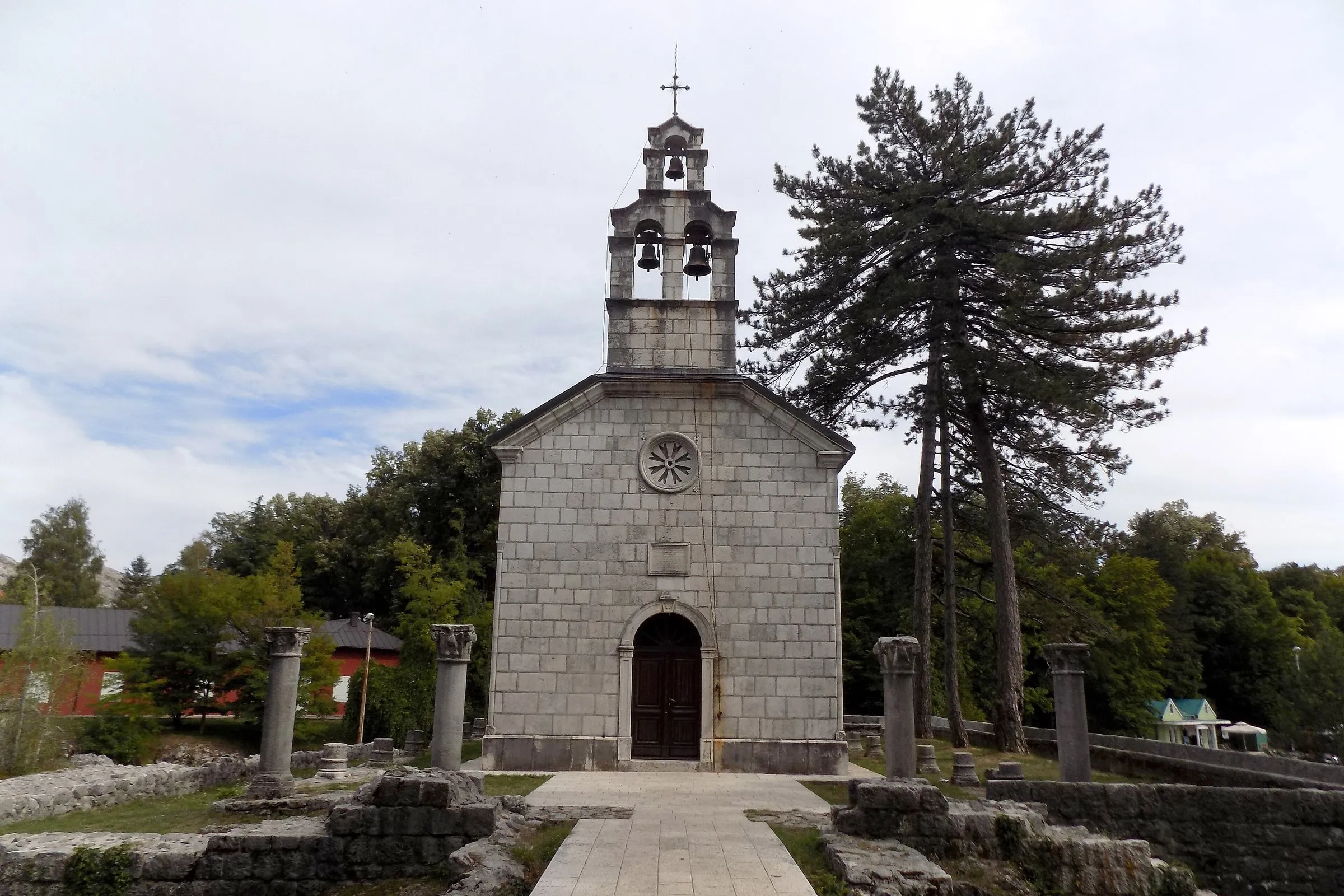
It was a walled complex: residences on the east and south sides, the metropolitan's quarters, stores for grain and ammunition, 62 loopholes in the outer walls, a water moat with a stake fence on the east, south-east and west, and a stream, a branch of the river Cetinje, along the north-west and north-east. In the middle stood the church of the Virgin; on the north side a small church of St Peter with a spring well behind it and an ammunition store below, whose remains were found during research.
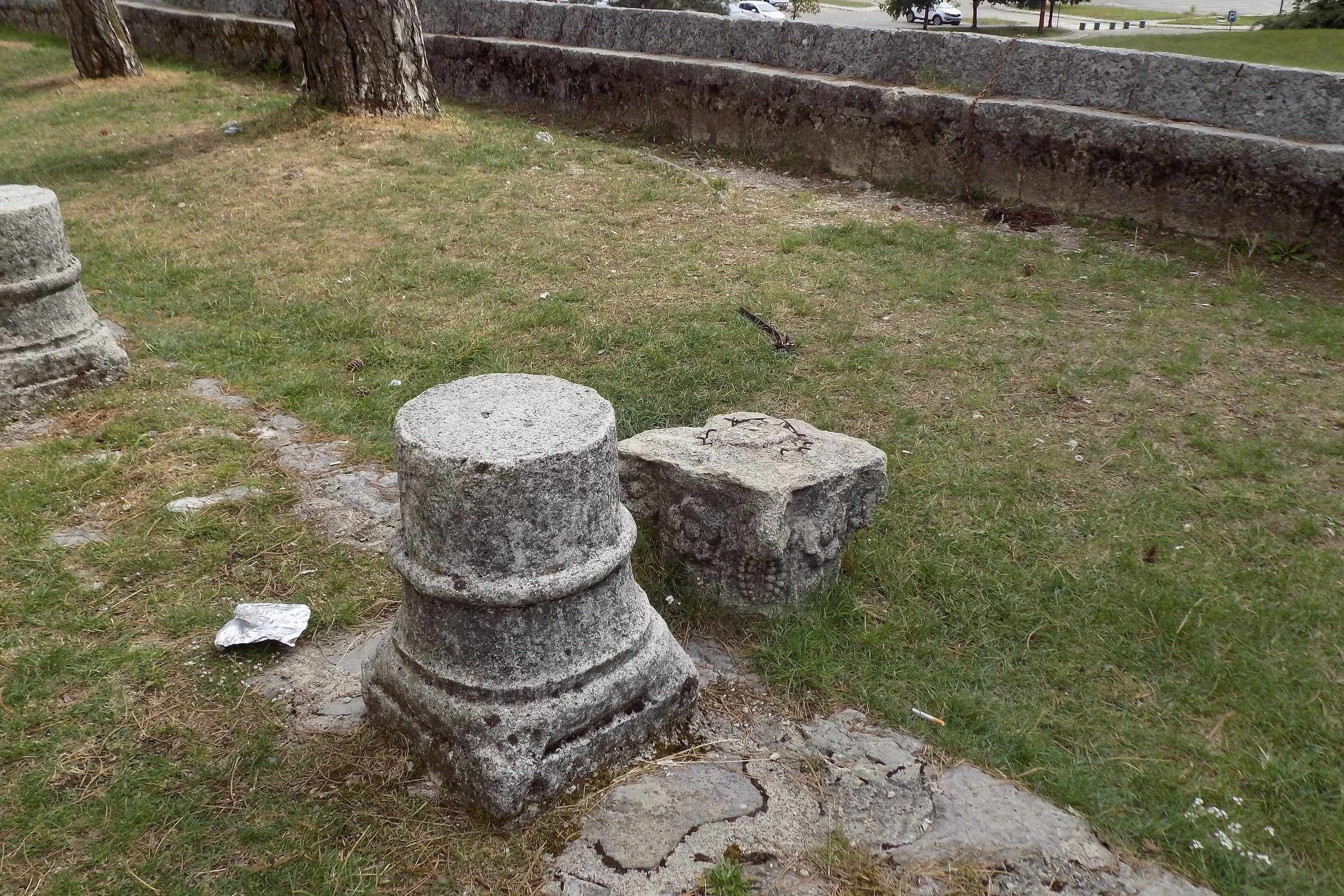
The main church was probably a three-aisled basilica with a dome and a colonnade on three sides, about 14 m long with the altar and just under 7 m wide, its colonnade of 18 columns. The capitals mix late Gothic and Renaissance forms, and two of them carry the double-headed eagle of the Crnojević arms. Ivan's son Đurađ set up his printing press in the monastery, where it worked in 1493-1496, probably in vaulted rooms above the stream inside the walls. Ivan Crnojević died in 1490 and was buried in the monastery church.
The monastery was destroyed in 1692, during the Ottoman attack on Cetinje. Who blew it up is told two ways: the attackers under Sulejman-paša Bušatlija, or the Venetian garrison as it withdrew, to kill the Ottoman commanders. Part of its carved stone was built into the new Cetinje Monastery (1701-1704). Digging on Ćipur began before 1882 on the initiative of Metropolitan Ilarion Roganović; excavations in the late 1980s uncovered the foundations of the whole complex. A colonnade was rebuilt on the site with the remains of columns and capitals; the original columns and capitals went to the permanent exhibition of the Historical Museum of the National Museum of Montenegro, and copies stand on the site. The remains are a cultural monument of category I.
The Court Church
In 1886 Prince Nikola had a church of the Nativity of the Virgin built on the monastery site for the court, asking that it repeat the size of Ivan's church. It was badly built and soon pulled down; in 1890 the prince had the builder Miloš Lepetić put up the church that stands today. It is of fine white dressed stone, a single nave with a three-part bell-gable on the front and a square base rising from the roof that carries a polygonal dome. The west front has a carved stone rose window with the founder's inscription plate under it.
The iconostasis, in five tiers, is the work of St Petersburg icon painters of the late 19th century: saints in medallions and the Annunciation on the royal doors, standing saints between gilded twisted colonnettes, and a cross at the top with the Virgin and St John. In 1989 the remains of King Nikola and Queen Milena were brought here from the Russian church in San Remo. Ivan Crnojević's remains, found in the late-1980s excavations, were laid in a restored tomb in the church, so the founder of Cetinje and Montenegro's only king lie under one roof. The church is a cultural monument of category II.
Good to know: Two years are given for the Court Church, 1886 and 1890. Both are right: the first church of 1886 was pulled down, and the present one was finished in 1890.
Visiting
The church, the conserved foundations of the old monastery and the ground around them form one site. The foundations and the colonnade are outdoors and can be walked around at any time. The church itself is in religious use; who opens it and when is not published, so check with the tourist office in Cetinje if you want to see the iconostasis and the tombs. Dress as in any church.
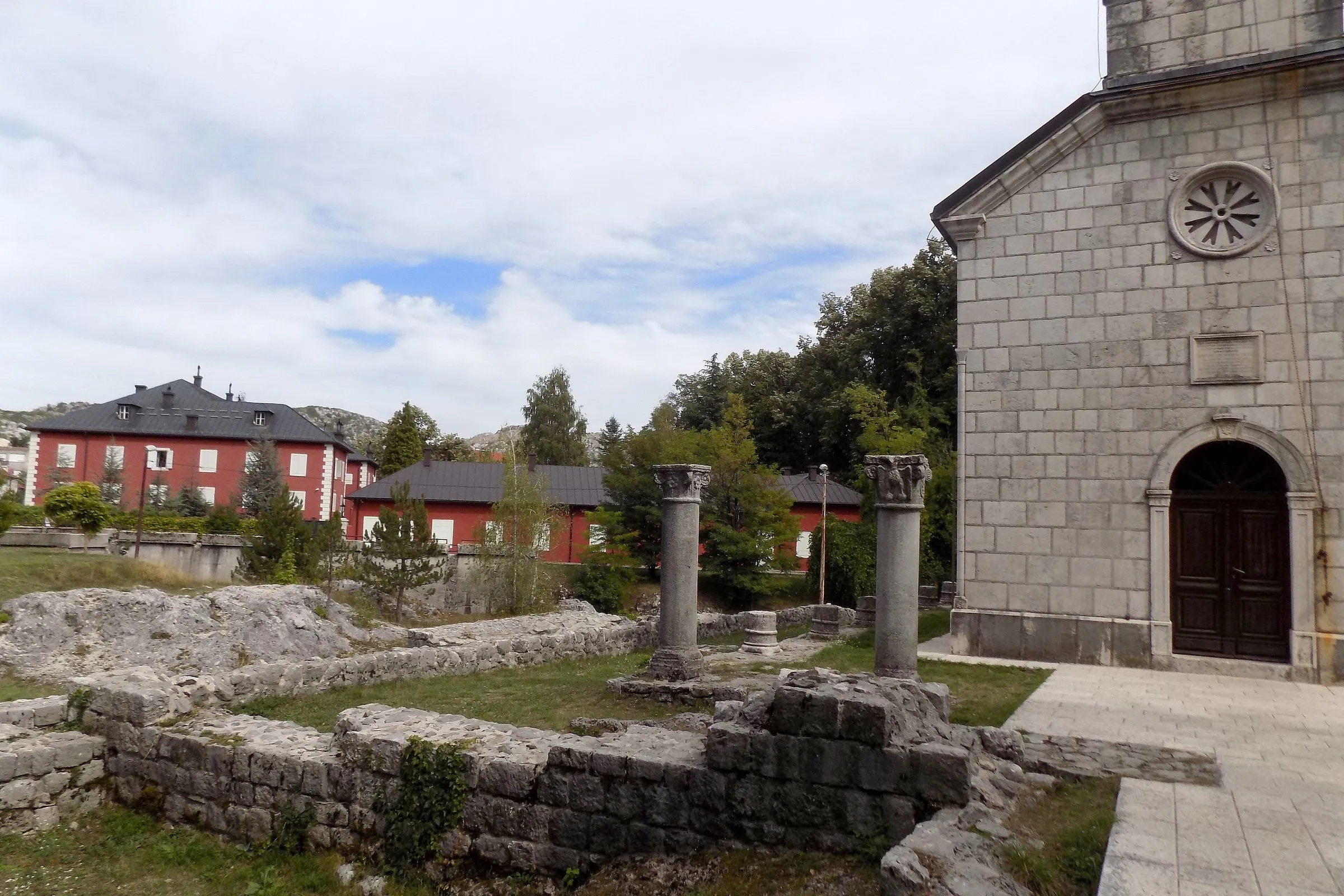
Tip: Ćipur sits right behind King Nikola's palace. Visit it together with King Nikola's Museum (172 m), the Biljarda (187 m) and Cetinje Monastery (186 m): each is within a 3-minute walk of the church.
Getting there
From the centre of Cetinje the church is 522 m on foot, about 7 minutes, or 711 m by car; the approach is along Novice Cerovića street. From Dvorski trg and the Ivan Crnojević monument it is 249 m (3 minutes). The Ethnographic Museum is 298 m away (4 minutes) and Zetski dom 426 m (6 minutes).
Nearby
- King Nikola's Museum, 172 m, 3 minutes on foot.
- Cetinje Monastery, 186 m, 3 minutes.
- Biljarda, 187 m, 3 minutes.
- Ivan Crnojević monument, Dvorski trg, 249 m, 3 minutes.
- Ethnographic Museum, 298 m, 4 minutes.
- Zetski dom, 426 m, 6 minutes.
- Former British legation, one of the former legations of Cetinje, 434 m, 6 minutes.
- Vlach Church, 684 m, 9 minutes.
- Mausoleum of Bishop Danilo, 875 m, 11 minutes.
- More churches in the churches and monasteries guide.
Questions
Who is buried in the Court Church on Ćipur?
The Court Church on Ćipur holds the tombs of King Nikola and Queen Milena, brought from San Remo in 1989, and the tomb of Ivan Crnojević, the founder of Cetinje.
When was the Court Church on Ćipur built?
The Court Church on Ćipur was first built in 1886 and rebuilt in 1890 by Miloš Lepetić, on the site of Ivan Crnojević's monastery of 1484.
What are the ruins around the Court Church on Ćipur?
The ruins around the Court Church on Ćipur are the foundations of Ivan Crnojević's monastery of 1484, destroyed in 1692 and uncovered in the late 1980s, with a rebuilt colonnade.
History
1482-1484
Court and monastery
Ivan Crnojević moves his court to the Cetinje field and two years later builds his monastery on Ćipur, seat of the Zeta Metropolitanate.
1490-1496
Burial and the press
Ivan Crnojević dies and is buried in the monastery church; his son Đurađ's printing press works in the monastery in 1493-1496.
1692
Destroyed
The monastery is destroyed during the Ottoman attack on Cetinje; part of its carved stone goes into the new Cetinje Monastery of 1701-1704.
1886-1890
The Court Church
Prince Nikola builds a court church on the site, the size of Ivan's church; badly built, it is pulled down and rebuilt in 1890 by Miloš Lepetić.
Late 1980s
Excavations and the royal tombs
Excavations uncover the foundations of the whole monastery complex; in 1989 the remains of King Nikola and Queen Milena are brought from San Remo.
After the excavations
Ivan Crnojević returns
Ivan Crnojević's remains, found in the excavations, are laid in a restored tomb in the church.

More churches & monasteries
Nearest by road first


Sources
Ministry of Culture, Sports and Media of Montenegro, Management Plan of the Historic Core of Cetinje (2009), pp. 36-37, 40-41, 48, 52 (monastery 1484, name Ćipur, Loreto, the walled complex, basilica and capitals, press 1493-1496, destroyed 1692, stone in the new monastery, digging before 1882, church 1886 and 1890, Lepetić, building description, iconostasis, remains 1989, categories) · Tourist Organisation Cetinje, Landmarks: Ćipur (place where Cetinje was founded, tombs of the King and Queen) · Metropolitanate of Montenegro and the Littoral, 17 August 2014, Dvorska crkva na Ćipuru (Z. Petanović, Dan): seat of the Zeta Metropolitanate, church dimensions and 18 columns, Ivan's death 1490, Venetian version of 1692, late-1980s excavations, originals in the Historical Museum, Russian church in San Remo, Ivan's tomb · MNE magazin, 21 November 2016, Cetinje's list of cultural properties (the Court Church and the Crnojević monastery remains among them) · OpenStreetMap way 225682563 (church) and node 2200462665 (monastery remains), ODbL · OSRM routing (OpenStreetMap data, ODbL)