Christmas in Montenegro
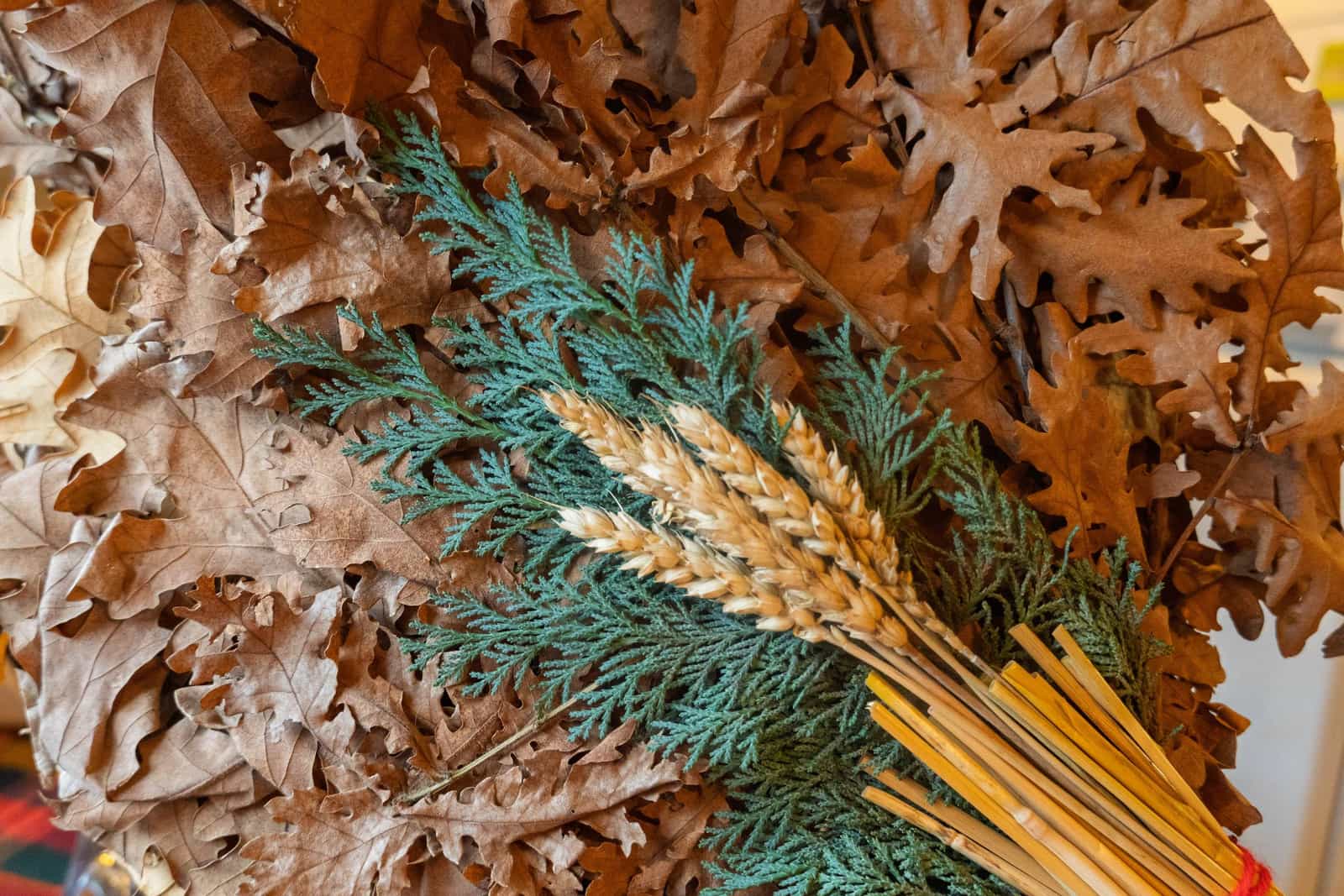
Photo: MikyM · CC BY-SA 4.0

Montenegro has two Christmases. Catholics keep 25 December; the Orthodox majority (71.1% of residents in the 2023 census) keeps 7 January, and the heart of that feast is Christmas Eve, Badnji dan, on 6 January, when young oak logs are blessed and burnt on fires in front of the churches of every town. 6, 7 and 8 January are paid days off for Orthodox employees and 24, 25 and 26 December for Catholic employees, but neither Christmas is a public holiday, so the law lets shops open, unlike on 1 and 2 January, although most are closed on 7 January. The holidays that are non-working for everyone are on the public holidays page; the square concerts and winter fairs are on the New Year page.


When is Christmas in Montenegro
The Orthodox Church keeps the Julian calendar, so its 25 December falls on 7 January of the civil calendar and its Christmas Eve on 6 January. The season runs from Catholic Christmas to Epiphany; New Year is the only public holiday in it.
| Day | Date in 2026/27 | Who has the day off |
|---|---|---|
| Catholic Christmas Eve | Thursday 24 December 2026 | Catholic employees, as paid leave |
| Catholic Christmas (two days) | Friday 25 and Saturday 26 December 2026 | Catholic employees, as paid leave on working days |
| New Year (two days) | Friday 1 and Saturday 2 January 2027 | Everyone: a public holiday, shops closed apart from the exempt kinds |
| Orthodox Christmas Eve (Badnji dan) | Wednesday 6 January 2027 | Orthodox employees, as paid leave |
| Orthodox Christmas, Božić (two days) | Thursday 7 and Friday 8 January 2027 | Orthodox employees, as paid leave |
| Orthodox New Year (Mali Božić, Vasiljevdan) | Night of Wednesday 13 January; Thursday 14 January 2027 | Nobody: not a day off |
| Epiphany (Bogojavljenje) | Night of Monday 18 January; Tuesday 19 January 2027 | Nobody: not a day off |
The season after falls on Friday 24 to Sunday 26 December 2027 and Thursday 6 to Saturday 8 January 2028. The labour ministry confirms the dates in a notice each December.
Days off and what stays open
Two laws shape the season. The Law on State and Other Holidays makes New Year a public holiday kept on 1 and 2 January, non-working for everyone. The Law on Celebrating Religious Holidays gives an employee paid leave for the working days that fall on the holidays of their faith: for Orthodox employees Badnji dan and the two days of Christmas, 6, 7 and 8 January; for Catholic employees 24, 25 and 26 December. The employee tells the employer at least three days in advance. The labour ministry announces the dates every December under the title "non-working days", but the days belong to the believers who take them, not to the country as a whole: state bodies, local government and public institutions keep working.
Shops follow the same split. The Sunday and holiday trading ban in Article 35b of the Internal Trade Act covers the days of state and other holidays, so on 1 and 2 January only pharmacies, bakeries, petrol stations, markets, flower and souvenir shops, shops in stations, airports and ports and stalls at fairs may trade. On 6, 7 and 8 January and on 24, 25 and 26 December the ban does not apply: a shop, mall, bank or post office may open, and each decides its own hours. In practice Orthodox Christmas sets the pattern: on 6 January, Badnji dan, most shops work shorter hours, usually until about 18:00; on 7 January shops are closed across the country; on 8 January most work normally again. Nobody publishes a single list of Christmas hours for post offices, banks, buses or supermarkets, and hours vary from shop to shop, so check locally before you go. The pharmacies directory lists the 00-24 pharmacies, and the post offices and shopping pages the regular hours.
| 1 and 2 January | 6, 7 and 8 January; 24, 25 and 26 December | |
|---|---|---|
| Status | Public holiday (New Year) | Religious holiday: paid leave for Orthodox employees in January and Catholic employees in December |
| Who is off | Everyone, apart from essential public services and work that cannot stop | Employees of that faith who ask for the days; public services keep working |
| Shops | Closed, apart from pharmacies, bakeries, petrol stations, markets and the other exempt kinds | Allowed to open; each sets its own hours. In practice in January: shorter hours on the 6th, closed on the 7th, normal on the 8th |
Schools are on winter break for the whole of January 2027, from Friday 1 to Sunday 31 January, so both New Year and Orthodox Christmas fall in the holidays; kindergartens run a duty service from 4 to 29 January. The National Museum of Montenegro in Cetinje keeps winter hours from 16 November to 14 April: King Nikola's Museum, Biljarda, the Art Museum and the Ethnographic Museum open Monday to Friday from 9 to 15, the Historical Museum, Njegoš's Mausoleum and Njegoš's birth house are closed, and the Dado gallery closes from 1 January. It publishes no Christmas closures, and 6, 7 and 8 January 2027 are weekdays. Other collections are in the museums directory.
Badnji dan: Christmas Eve
The Christmas fast lasts 40 days, from 28 November to Christmas Eve, and Badnji dan is its strictest day. The day takes its name from the badnjak, a young oak (cer or hrast; fir or pine in some regions) that the head of the house cuts early in the morning, before sunrise, traditionally with three strokes of the axe, and stands by the front door until evening. In towns the badnjak is bought at the market or handed out at church. The young tree stands for Christ and for the wood the shepherds brought to the cave to warm the newborn; the name is linked to bdjeti, to keep vigil.
After dark the badnjak, a bundle of straw and the pečenica, the roast for Christmas Day, are carried into the house with the greeting "Dobro veče, čestit Božić, Badnje veče!". The straw recalls the manger, and the small gifts hidden in it for the children recall the gifts of the Magi. The badnjak is laid by the stove, the family prays, sings the troparion of the feast and sits down to a lenten dinner, usually prebranac (baked beans) and other lenten dishes; the fast ends only on Christmas morning. The dishes themselves are on the local cuisine page.
In the churches the day opens with the morning liturgy; in the afternoon and evening the clergy bless the badnjaci and light them on fires in front of the church, which is the public part of the feast. In 2026 the fires were lit in most churches despite the rain. In the older village practice the badnjak was greeted, sprinkled with grain and kept burning through the night; the town celebrations grew out of it.


Where to see the Christmas Eve fires
Every parish lights its own badnjak; the biggest gatherings are in front of the cathedrals and the old-town churches, with several thousand people on the plateau of the Podgorica cathedral in 2026. The times below are the 2026 pattern: each church community posts its new times on 4 and 5 January.
| Town | Where | Time in 2026 |
|---|---|---|
| Podgorica | The plateau in front of the Cathedral of Christ's Resurrection, after vespers at 17:30, followed by a children's programme; the Church of St George under Gorica | 18:00; 17:00 |
| Cetinje | In front of Cetinje Monastery (Metropolitanate of Montenegro and the Littoral, Serbian Orthodox Church). The Montenegrin Orthodox Church lights its own badnjak at the same hour about 100 m away: in front of its residence in 2026, on Dvorski trg by King Nikola's Palace in earlier years | 15:00 for both |
| Rijeka Crnojevića | In the village, with the Bishop of Diokleia in 2026 | 13:00 |
| Nikšić | In front of the Cathedral of St Basil of Ostrog | Evening |
| Ostrog Monastery | Lower Monastery, after vespers in the Church of the Holy Trinity, with singing around the fire | After vespers |
| Kotor | The square by St Nicholas' Church in the Old Town, after great compline, with the Grbalj badnjak carried in from Podlastva Monastery; a children's badnjak in the church courtyard at 18:00. The Montenegrin Orthodox Church lit its own in front of its church in the Old Town | 22:00; 18:00; 18:30 |
| Risan | In front of the Church of Sts Peter and Paul | 19:00 |
| Budva | In front of the Holy Trinity Church in the Old Town; Bečići (St Thomas) at 17:00 | 18:00 |
| Tivat | St Sava's Church, after vespers at 18:00, with fireworks at 20:00; Miholjska prevlaka monastery at 16:00 | 19:00 |
| Herceg Novi | St Michael the Archangel in the Old Town; St Saviour at Topla | 18:00; 20:00 |
| Bar | In front of the Cathedral of St Jovan Vladimir | 15:00 |
| Ulcinj | In front of St Nicholas' Church, after vespers | 17:00 |
The fires burn in the open and the evening is often wet: in 2026 most of them were lit in the rain. Dress for it and check the weather for the town.


Christmas Day: Božić
The greeting from Christmas morning is Hristos se rodi! (Christ is born!), answered Vaistinu se rodi! (Truly he is born!). The Christmas liturgy is held at midnight in some churches and before dawn in others. In 2026 the midnight liturgies were at the church on Ćipur in Cetinje, St Sava's in Tivat, the Old Town and Topla churches in Herceg Novi and All Saints at Veliki Pijesak near Bar; Cetinje Monastery had matins at 4:00 and the liturgy at 5:30, Risan at 5:00, the Podgorica cathedral at 8:00 (matins 7:00), St Nicholas' in Stari Bar at 8:00 and St Nicholas' in Kotor at 10:00. Services are open to anyone; Christmas morning is when the churches are fullest. The country's churches are on the churches and monasteries page.
At home the day turns on the česnica, the Christmas bread of wheat flour and the cleanest water, baked on Badnji dan or early on Christmas morning with a coin inside (or another small object kept from year to year, ideally of precious metal). At the start of Christmas lunch, after the prayer, the host and one member of the family turn it three times clockwise and break it among everyone at the table; whoever finds the coin is held to have a lucky year ahead. The pečenica carried in on Christmas Eve is the main dish of the meal.
The feast continues on 8 January, the Synaxis of the Mother of God, and 9 January, St Stephen's day, both with liturgies; in 2026 the 8 January liturgy in Kotor was at the Church of St Luke at 10:00 and in Prčanj at St Peter of Cetinje at 9:00. The days off end with 8 January.


Catholic Christmas in the Bay of Kotor
Catholics are 3.27% of the population nationally and far more in a few municipalities: 39.7% in Tuzi, 16.5% in Tivat, 10.1% in Kotor, 9.8% in Ulcinj and 6.1% in Bar. Catholic employees have 24, 25 and 26 December as paid leave on the same terms as Orthodox employees in January.
The Diocese of Kotor publishes its Christmas mass times each December; the 2023 schedule shows the pattern. Midnight mass, the polnoćka, is sung in St Tryphon's Cathedral in Kotor, in the parish churches of Perast, Budva and Herceg Novi, in St Nicholas' in Prčanj and in St Anthony's in Tivat; the churches of Dobrota, Muo and Stoliv hold an evening mass on 24 December instead. On Christmas Day the cathedral mass is at 10:00 and the evening mass at 18:00 in the Church of St Clare, with 10:00 masses in Perast, Tivat, Budva and Herceg Novi. A Christmas concert in the cathedral follows the feast: 26 December in 2023, 27 December in 2025.
Kotor keeps both Christmases in one programme. The Municipality and the tourist organisation run "Od Božića do Božića" (From Christmas to Christmas) inside Kotor Winter Fest: in 2023 it opened on 23 December, with priganice at the main town gate and a klapa concert on 24 December, a concert for Catholic Christmas on 25 December and an Orthodox Christmas concert in January. The Christmas concert of the choirs of SPD "Jedinstvo" 1839 in St Nicholas' Church in the Old Town is part of it each season (4 January in 2026).


After Christmas: Orthodox New Year and Epiphany
The Orthodox New Year, Mali Božić (Little Christmas) or Vasiljevdan, falls on 14 January and is seen in on the night of 13 January. It is not a day off, but some towns close their winter programmes with it; the concerts are on the New Year page. Many households keep the Christmas tree and decorations up until the Orthodox New Year and take them down around 14 January; some leave them until Epiphany. Epiphany, Bogojavljenje, falls on 19 January. By tradition the sky opens (nebo se otvara) at midnight on the night of 18 to 19 January, recalling the Gospel account of the heavens opening at Christ's baptism in the Jordan, and many people step outside or go to a window at that moment to make a wish. On the day itself young men swim for the Holy Cross. In 2025 it was held at the confluence of the Ribnica and the Morača below Nemanjin grad in Podgorica at 12:00, from the beach in Budva at 11:00 after a procession to bless the sea, from the beach by King Nikola's Palace in Bar at 12:00 and in the Zeta below the town bridge in Danilovgrad at 12:00. Neither day is paid leave under the religious-holidays law.
Weather, snow and skiing at Christmas
Christmas falls in the coldest and wettest part of the year. On the coast, Bar and Herceg Novi reach 12 to 14 °C by day in the 1961-1990 normals, with rain on 13 to 15 days a month and frost on only one to three; the north is in full winter, with a January mean of -2.1 °C in Kolašin and -4.5 °C in Žabljak. Skiing starts only with snow: Kolašin 1600 opened its lifts on 21 December in 2024, but in the 2025/26 season only on 10 January, after an opening weekend of events without skiing on 12-14 December; Savin kuk above Žabljak started its lifts on 19 December 2025. Check snow and skiing today, the weather and road conditions before driving north; the skiing page and the ski resorts list have the rest, and the months are described on the December and January pages.
Christmas and New Year
The winter fairs run across both feasts. Podgorički pazar on Trg nezavisnosti in Podgorica opens in mid-December and runs into January (to 7 January in 2025/26, with postponed concerts up to 13 January); the Christmas Bazaar on Trg boraca in Kolašin runs to the end of January; the Municipality of Nikšić holds its New Year and Christmas bazaar from 10 December 2026 to 15 January 2027; and Kotor Winter Fest in Kotor runs to the end of January. The square concerts, the New Year's Eve line-ups and what is open on 1 and 2 January are on the New Year page.
Common questions
Is Orthodox Christmas a public holiday in Montenegro?
No. The public holidays in the season are 1 and 2 January. Under the Law on Celebrating Religious Holidays, 6, 7 and 8 January are paid days off for Orthodox employees who ask for them, announced each December by the labour ministry as the "non-working days" for Christmas; public services keep working.
Are shops open on 7 January?
Mostly not. The law does not close shops on 6, 7 and 8 January: the Sunday and holiday trading ban covers only state and other public holidays, so it applies on 1 and 2 January. In practice shops are closed across the country on 7 January, work shorter hours on 6 January (usually until about 18:00) and normal hours on 8 January. Hours vary, so check locally.
When is Christmas Eve in Montenegro and where are the badnjak fires?
Orthodox Christmas Eve, Badnji dan, is 6 January. Badnjaci are blessed and lit in front of the churches of every town in the afternoon and evening; the biggest gatherings in 2026 were in front of the cathedral in Podgorica at 18:00, in front of Cetinje Monastery at 15:00 and on the square by St Nicholas' Church in Kotor's Old Town at 22:00. The times are posted on 4 and 5 January.
Do Catholics in Montenegro celebrate Christmas on 25 December?
Yes. Catholic employees have 24, 25 and 26 December as paid leave. In the Bay of Kotor midnight mass is sung in St Tryphon's Cathedral in Kotor and in the churches of Perast, Prčanj, Tivat, Budva and Herceg Novi, with Christmas Day mass at 10:00.
How do you say Merry Christmas in Montenegro?
On Orthodox Christmas the greeting is Hristos se rodi! (Christ is born!), answered Vaistinu se rodi! (Truly he is born!). On Christmas Eve it is Dobro veče, čestit Božić, Badnje veče!
When is the Orthodox New Year?
On 14 January, seen in on the night of 13 January; it is not a day off. Some towns end their holiday programmes that night: see the New Year page. Many households take the Christmas tree down around then.
Related
- Travel information
- Shopping in Montenegro
Sources
- Zakon o državnim i drugim praznicima, consolidated (Sl. list RCG 27/07, Sl. list CG 36/13, 145/21), data.gov.me
- Unija poslodavaca CG, Slobodni dani za vrijeme praznika (29.04.2024), text of Zakon o svetkovanju vjerskih praznika (Sl. list RCG 56/93, 27/94, Sl. list CG 73/10)
- Ministarstvo rada, zapošljavanja i socijalnog dijaloga, Obavještenje o neradnim danima povodom vjerskih i državnih praznika (23.12.2025)
- Ministarstvo rada, zapošljavanja i socijalnog dijaloga, Obavještenje o neradnim danima za predstojeće praznike (26.12.2024)
- Zakon o izmjenama i dopuni Zakona o unutrašnjoj trgovini, Sl. list CG 21/2026 (19.02.2026), Art. 35b
- Školski kalendar za 2026/2027. godinu (26.06.2026), Sl. list CG item 1663
- Kalendar vaspitno-obrazovnog rada u predškolskom vaspitanju 2026/2027 (29.06.2026), Sl. list CG item 1664
- Monstat, Census 2023: population by ethnicity, religion and mother tongue (release II, ENG), Table 2
- Narodni muzej Crne Gore, Radno vrijeme (winter 16.11-14.04)
- Portal Analitika, Radno vrijeme i dežurne službe za dane praznika u Podgorici (31.12.2016) (press, secondary; 2016 hours only)
- Mitropolija crnogorsko-primorska, Badnjak i Badnji dan (05.01.2026)
- Mitropolija crnogorsko-primorska, Badnji dan: customs (badnjak, straw, dinner, česnica) (05.01.2025)
- Mitropolija crnogorsko-primorska, Protojerej Slobodan Lukić: Razvoj Božićnog posta (27.11.2025)
- Mitropolija crnogorsko-primorska, Foto priča: Badnji dan u našoj Mitropoliji (06.01.2026)
- Mitropolija crnogorsko-primorska, Raspored božićnih bogosluženja u podgoričkom Sabornom hramu (05.01.2026)
- Mitropolija crnogorsko-primorska, Mitropolit Joanikije u Podgorici (Badnje veče, 06.01.2026)
- Mitropolija crnogorsko-primorska, Cetinjsko namjesništvo: bogosluženja na Badnji dan i Božić (05.01.2026)
- Mitropolija crnogorsko-primorska, Vladika Pajsije u Nikšiću (06.01.2026)
- Mitropolija crnogorsko-primorska, U ostroškoj svetinji naloženi badnjaci (06.01.2026)
- Mitropolija crnogorsko-primorska, Kotorsko-tivatsko namjesništvo: bogosluženja za Badnji dan i Božić (04.01.2026)
- Mitropolija crnogorsko-primorska, Budvansko namjesništvo: bogosluženja za Badnji dan i Božić (04.01.2026)
- Mitropolija crnogorsko-primorska, Barsko namjesništvo: bogosluženja za Badnji dan i Božić (05.01.2026)
- Mitropolija crnogorsko-primorska, Hercegnovsko namjesništvo: bogosluženja za Badnji dan i Božić (04.01.2026)
- Mitropolija crnogorsko-primorska, Božićni koncert SPD Jedinstvo tradicionalno uz brojnu publiku (Kotor, 04.01.2026)
- Mitropolija crnogorsko-primorska, Bogojavljenje i plivanje za Časni krst u Mitropoliji (schedule, 16.01.2025)
- Crnogorska pravoslavna crkva, badnjak in Cetinje (08.01.2026)
- Crnogorska pravoslavna crkva, badnjak in front of the church in Kotor (08.01.2026, after Radio Kotor)
- Crnogorska pravoslavna crkva, statement of the Bar parish (Cetinje 15:00, Kotor 18:30) (2026)
- Danas, SPC i CPC na Cetinju nalažu badnjake u isto vreme (06.01.2020) (press, secondary)
- Radio Slobodna Evropa, Badnjak i Božić u Crnoj Gori (06.01.2022) (press, secondary)
- Radio Slobodna Evropa, SPC i CPC na Cetinju nalažu badnjake (06.01.2023) (press, secondary)
- Radio Slobodna Evropa, Christmas customs in Montenegro, ethnologist of the Nikšić museum (20.12.2014) (press, secondary)
- Kotorska biskupija, Raspored bogoslužja: IV. nedjelja adventa, Badnjak i Božić 2023 (schedule image)
- Kotorska biskupija, site feed for "božić" (2024 and 2025 schedules, cathedral Christmas concerts 26.12.2023 and 27.12.2025)
- Primorski, Počinje manifestacija Od Božića do Božića (23.12.2023) (press, secondary)
- N1, Danas se obeležava Mali Božić (Orthodox New Year, 14 January) (press, secondary)
- TO Tivat, Brojimo do najboljeg dočeka Nove godine u Tivtu (2024/25 programme)
- Portal Analitika, Crna Gora spremna za doček 2026: gdje ko nastupa (28.12.2025) (press, secondary)
- TO Podgorica, Program novogodišnjeg Pazara (2025/26)
- TO Podgorica, Program Podgoričkog pazara se nastavlja (concerts 8, 9, 11, 12 and 13 January)
- TO Kolašin, Christmas Bazaar (English page)
- RTNK, Opština Nikšić objavila poziv za učešće u programu prazničnog bazara (15.10.2026) (press, secondary)
- Boka News, Kotor Winter Fest od 29. novembra (26.11.2025) (press, secondary)
- Zavod za hidrometeorologiju i seizmologiju (ZHMS), Klimatske normale 1961-1990
- Standard, Dok region ulaze u osnježavanje, Crna Gora gleda u nebo (09.02.2025; Kolašin 1600 opened 21 December 2024) (press, secondary)
- Standard, Kordić: postsezona premašila očekivanja, pred nama bogat praznični program (07.12.2025; Kolašin opening 12-14 December) (press, secondary)
- RTNK (MINA Business), Vještačko osnježavanje ključno za crnogorska skijališta (15.03.2026; Kolašin 1600 opened 10 January) (press, secondary)
- Standard, Odbor o nesreći na Savinom kuku (28.01.2026; lifts started 19 December) (press, secondary)
- Owner, local knowledge, 2026-11-02 (shop hours on 6, 7 and 8 January; Christmas decorations taken down around Mali Božić; going outside or to a window at midnight on Epiphany night)
- Radio Televizija Budva, Narodna vjerovanja za Bogojavljenje: U ponoć se otvara nebo za ispunjenje želja (18.01.2020) (press, secondary; archived copy)
- N1, Običaji na Bogojavljenje i simbolika plivanja za Časni krst (19.01.2024): the Gospel account of the heavens opening at the baptism (press, secondary)
- InfoKG, Kada je pravo vreme da se raskiti jelka? (10.01.2026): tree kept until Epiphany, or taken down after the Orthodox New Year (press, secondary)